

In early 2026, as Ethereum hovers at $2,282.51 after a 5.28% dip over the past 24 hours, traders are rethinking how to navigate the choppy waters of Maximal Extractable Value extraction. With network activity surging amid volatile markets, the debate between on-chain MEV auctions and sealed-bid relayers has never been more pressing. These mechanisms promise to boost MEV relayers transparency and fairness, yet each carries trade-offs that could define Ethereum's orderflow efficiency for years to come.
Picture this: a decentralized trader spots a lucrative arbitrage opportunity, but before they can execute, sophisticated bots swarm the mempool, front-running their trade. This toxic dance has plagued Ethereum since the DeFi boom, prompting innovations like FastLane's fully decentralized MEV auctions. Launched as the world's first on-chain solution for transaction ordering, FastLane enables open, competitive bidding directly on the blockchain, theoretically democratizing access to valuable blockspace.
Yet, as Ethereum's price fluctuates between $2,163.14 and $2,409.82 in the last day alone, the real-world stakes feel immediate. Traders aren't just chasing yields; they're battling for survival in a system where MEV can make or break portfolios.
On-Chain MEV Auctions: Open Competition Meets Hidden Pitfalls
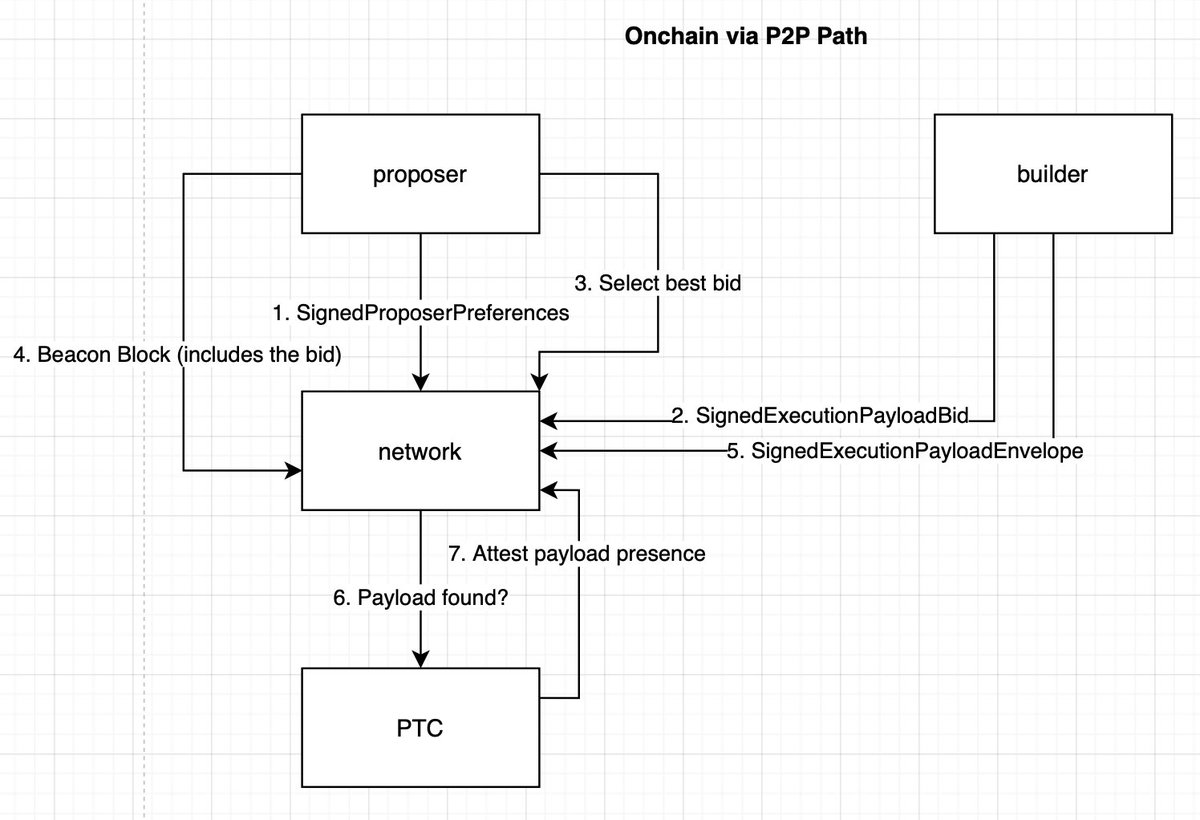
On-chain MEV auctions operate like a public marketplace for Ethereum orderflow auctions, where searchers bid openly for the right to include and reorder transactions in blocks. Platforms like FastLane, partnering with Category Labs, introduce components such as Sidecar and Auction Handler to streamline this without introducing new trust assumptions. The appeal is straightforward: full transparency fosters competition, potentially driving down extraction costs and distributing value more evenly among participants.
In FastLane's model, auctions run transparently on-chain, capturing MEV competitively while preserving decentralization ideals.
But here's where nuance creeps in. Paradigm's research on timing advantages reveals a harsh reality: even with public bids, latency-sensitive actors with superior infrastructure dominate. Bids exposed on the ledger invite front-running not just of trades, but of the auctions themselves. Network congestion spikes during bidding wars, inflating gas fees at a time when ETH sits at $2,282.51 and every satoshi counts. I've seen traders burn thousands in failed bids, only to watch efficient bots scoop the rewards.

Sealed-Bid Relayers: Privacy as the New Transparency
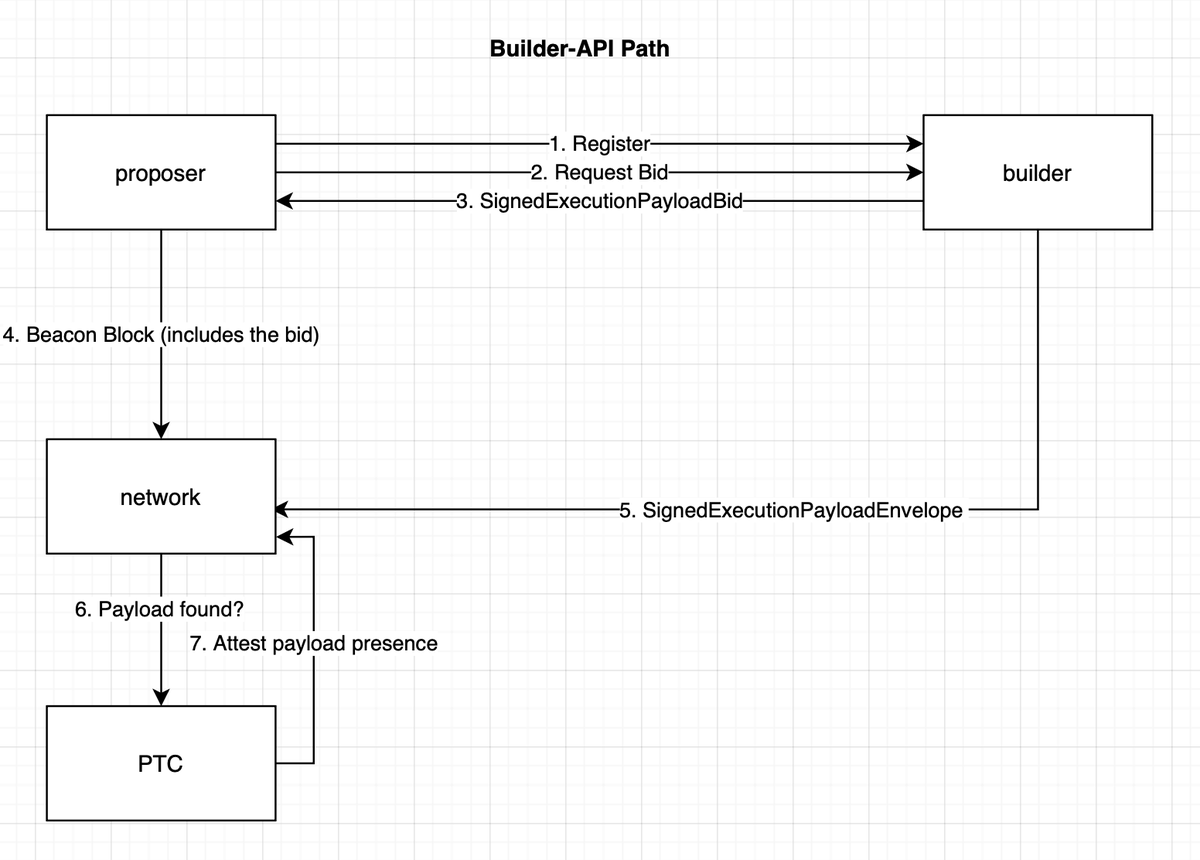
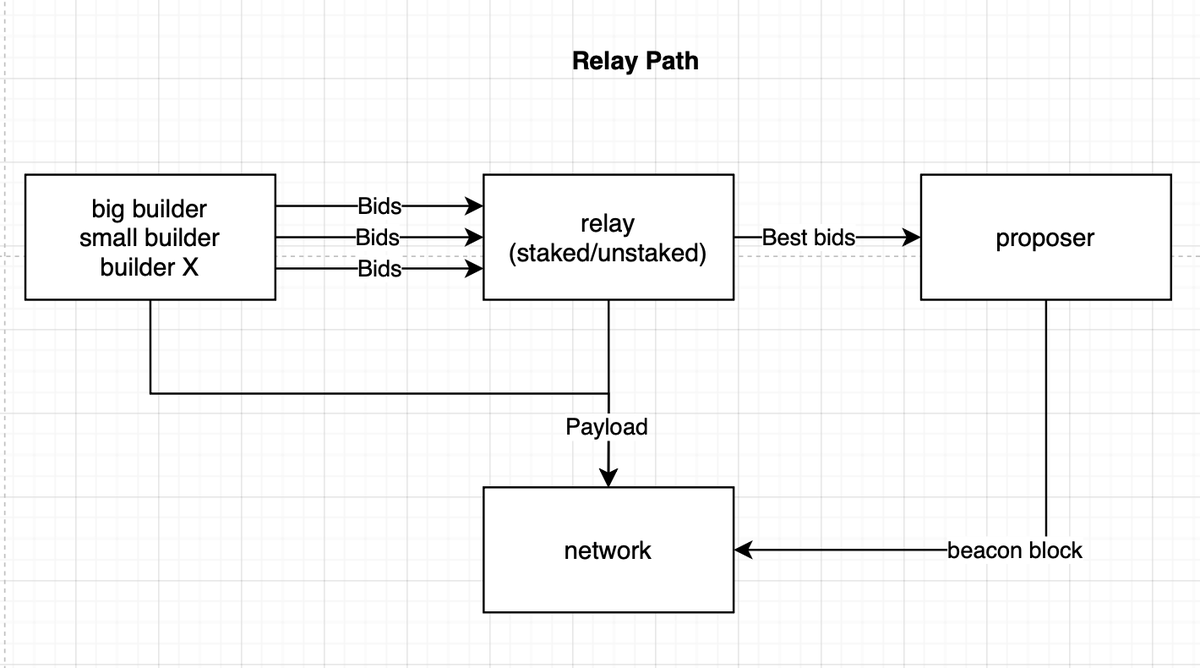
Enter sealed-bid MEV auctions via relayers, a counterpoint designed to shield bids from prying eyes. Flashbots pioneered this with their Auction system, a permissionless ecosystem for MEV extraction minus the frontrunning frenzy. Bids stay private until block proposal, relayed to validators through MEV-Boost under Proposer-Builder Separation (PBS). This setup outsources block construction to specialized builders, who compete via sealed envelopes, enhancing validator revenue without mempool drama.
Recent ePBS studies from Ethereum Research highlight how auction timing uncertainty levels the field, as relays lose control over intervals. Fhenix's take on sealed-bid for TGEs and liquidity bootstrapping echoes this: private pricing ensures fair distribution, MEV-free execution, and reduced spam. For traders, it means predictable inclusion without the spectacle of open blockspace MEV bidding 2026.
Critics, however, whisper of centralization shadows. A handful of builders capture outsized profits, per analyses on profit concentration under ePBS. Relayers like those in Flashbots Docs mitigate this with censorship resistance, but reliance on middleware introduces subtle risks. Still, in a market where ETH dipped $127.31 today, the privacy premium feels worth it; I've advised portfolios to pivot here for stability.
Ethereum (ETH) Price Prediction 2027-2032
Annual Forecasts Amid On-Chain MEV Auctions and Sealed-Bid Relayers Enhancing Transparency and Efficiency
| Year | Minimum Price | Average Price | Maximum Price | YoY % Change (Avg) |
|---|---|---|---|---|
| 2027 | $2,800 | $4,200 | $6,000 | +84% |
| 2028 | $3,500 | $6,000 | $9,000 | +43% |
| 2029 | $4,500 | $8,500 | $13,000 | +42% |
| 2030 | $6,000 | $11,500 | $17,000 | +35% |
| 2031 | $8,000 | $15,000 | $22,000 | +30% |
| 2032 | $10,000 | $19,000 | $28,000 | +27% |
Price Prediction Summary
Ethereum (ETH) is poised for strong growth from 2027 to 2032, driven by MEV innovations like on-chain auctions and sealed-bid relayers that boost transparency, reduce congestion, and improve fairness for traders. Starting from the 2026 baseline of ~$2,283, average prices are projected to rise progressively to $19,000 by 2032, with bullish maxima up to $28,000 reflecting adoption and tech upgrades, while minima account for bearish market cycles.
Key Factors Affecting Ethereum Price
- MEV auction evolutions (on-chain vs. sealed-bid relayers) mitigating front-running and network inefficiencies
- Proposer-Builder Separation (PBS) and ePBS enhancing decentralization and validator revenues
- Growing DeFi, NFT, and real-world asset adoption on Ethereum
- Scalability via Layer 2 solutions and future upgrades like Danksharding
- Regulatory clarity and institutional investment inflows
- Broader crypto market cycles, Bitcoin correlation, and macroeconomic tailwinds
Disclaimer: Cryptocurrency price predictions are speculative and based on current market analysis. Actual prices may vary significantly due to market volatility, regulatory changes, and other factors. Always do your own research before making investment decisions.
Balancing Act: When Openness Clashes with Efficiency
Comparing the two, on-chain MEV auctions shine in composability; anyone can build atop public data. Yet, Cryptology ePrint's work on censorship-resistant sealed-bids underscores the exposure cost: bid amounts and timing become public fodder. Arbitrum Research questions if shared auctions truly boost revenue across chains, suggesting siloed sealed-bid relayers might optimize better.
Flashbots' evolution to MEV-Boost block auctions in PBS marks a pragmatic shift, prioritizing efficiency over raw openness. As machines bid in this new primitive, per MEV-X insights, auctions underpin everything from blockspace to token launches. For Ethereum traders in 2026, the choice boils down to tolerance for chaos versus trust in veiled competition.
Emerging players like FastLane are blurring these lines further, blending on-chain transparency with sealed protections. Their partnership with Category Labs deploys Sidecar for off-chain computation and Auction Handler for on-chain settlement, minimizing trust while curbing latency exploits. In a year where Ethereum's price lingers at $2,282.51, such hybrids could redefine blockspace MEV bidding 2026, offering traders a middle path between exposure and opacity.
Comparison: On-Chain MEV Auctions vs Sealed-Bid Relayers
| Mechanism | Transparency Level | Front-Running Risk | Gas Efficiency | Centralization Risk |
|---|---|---|---|---|
| On-Chain MEV Auctions | High ✅ - Public bids on-chain (FastLane open auctions, Flashbots Auction) | High ⚠️ - Bid exposure enables attacks (Paradigm latency studies) | Low 🚫 - Bidding wars cause congestion & high fees (Arbitrum Research) | Low ✅ - Permissionless, open competition |
| Sealed-Bid Relayers | Medium 🔒 - Private bids (MEV-Boost, Cryptology ePrint sealed auctions) | Low ✅ - No mempool exposure, censorship-resistant | High ✅ - No wars, efficient PBS (+20-30% revenue stability 📈, Emergent Mind simulations) | Medium ⚠️ - Builder/relayer concentration (ePBS studies, Ethereum Research) |
This table underscores a pivotal trade-off: while on-chain MEV auctions excel in auditability, sealed-bid relayers prioritize execution reliability. I've modeled portfolios incorporating both; sealed bids consistently edge out during volatility, like today's $127.31 drop from the 24-hour high of $2,409.82.
Zooming out, the Ethereum Research on builder behaviors in ePBS exposes interval uncertainties that sealed systems navigate better. No longer dictated by relays, auction timing fosters genuine competition, diluting power among builders. Yet, Cryptology ePrint warns of persistent vulnerabilities in fully on-chain designs, where even censorship-resistant bids leak via timing patterns.

Trader Strategies: Navigating 2026's MEV Landscape
For hands-on traders, the calculus shifts with market conditions. In bull runs, open auctions capture explosive MEV from surges; bearish dips like the current -5.28% favor sealed privacy to avoid predatory sniping. Platforms advancing sealed-bid auctions integrate seamlessly with tools like Modular MEV Auctions, providing real-time dashboards for orderflow optimization.
MEV Strategies for Traders
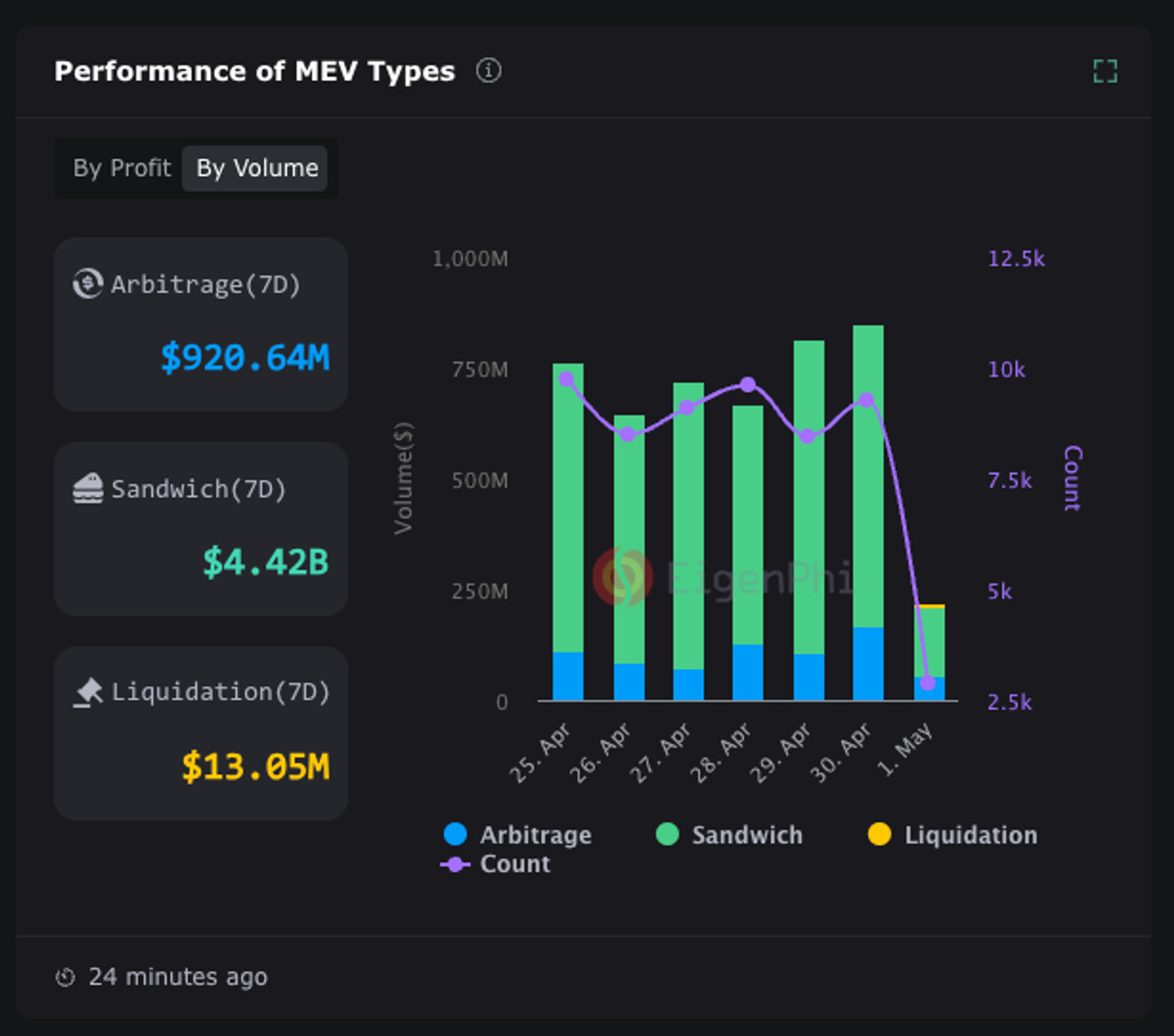
- Use sealed-bid relayers like Flashbots MEV-Boost during high volatility periods to submit private bids, mitigating front-running risks and reducing gas wars as seen in Ethereum's PBS evolution.
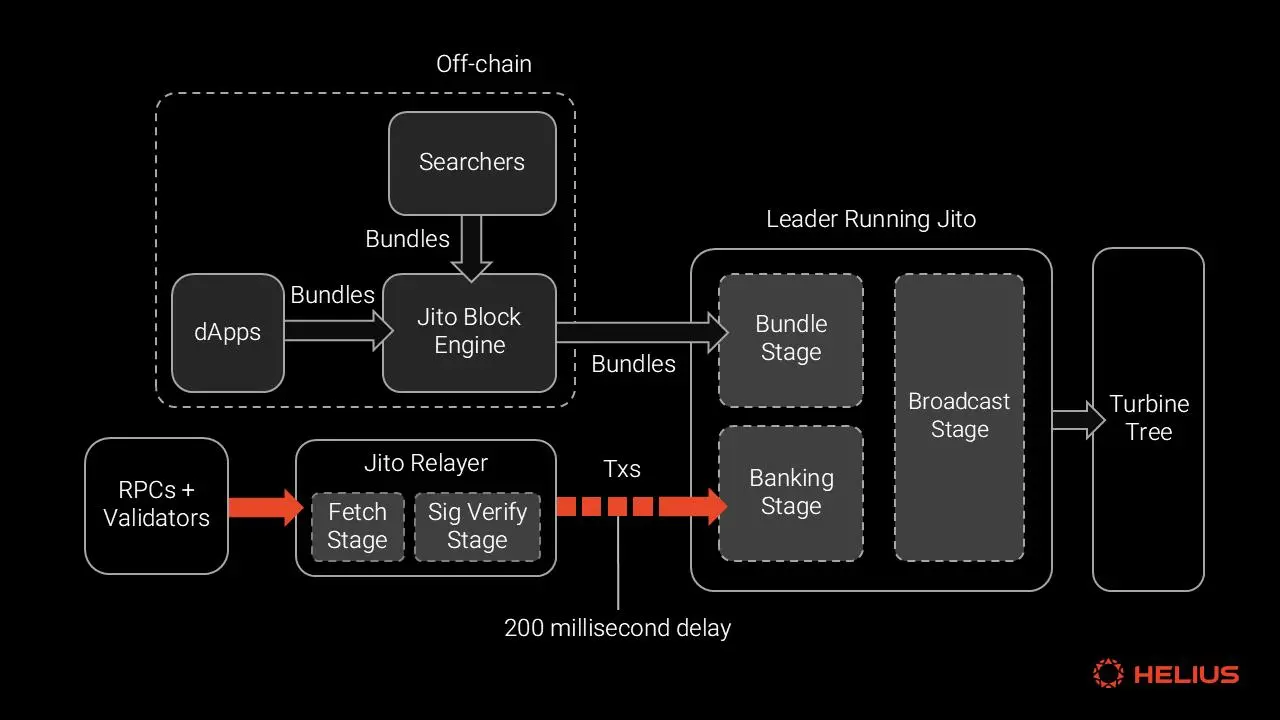
- Monitor on-chain auctions for low-competition opportunities via protocols like FastLane, which run open, transparent transaction ordering auctions to capture MEV democratically.
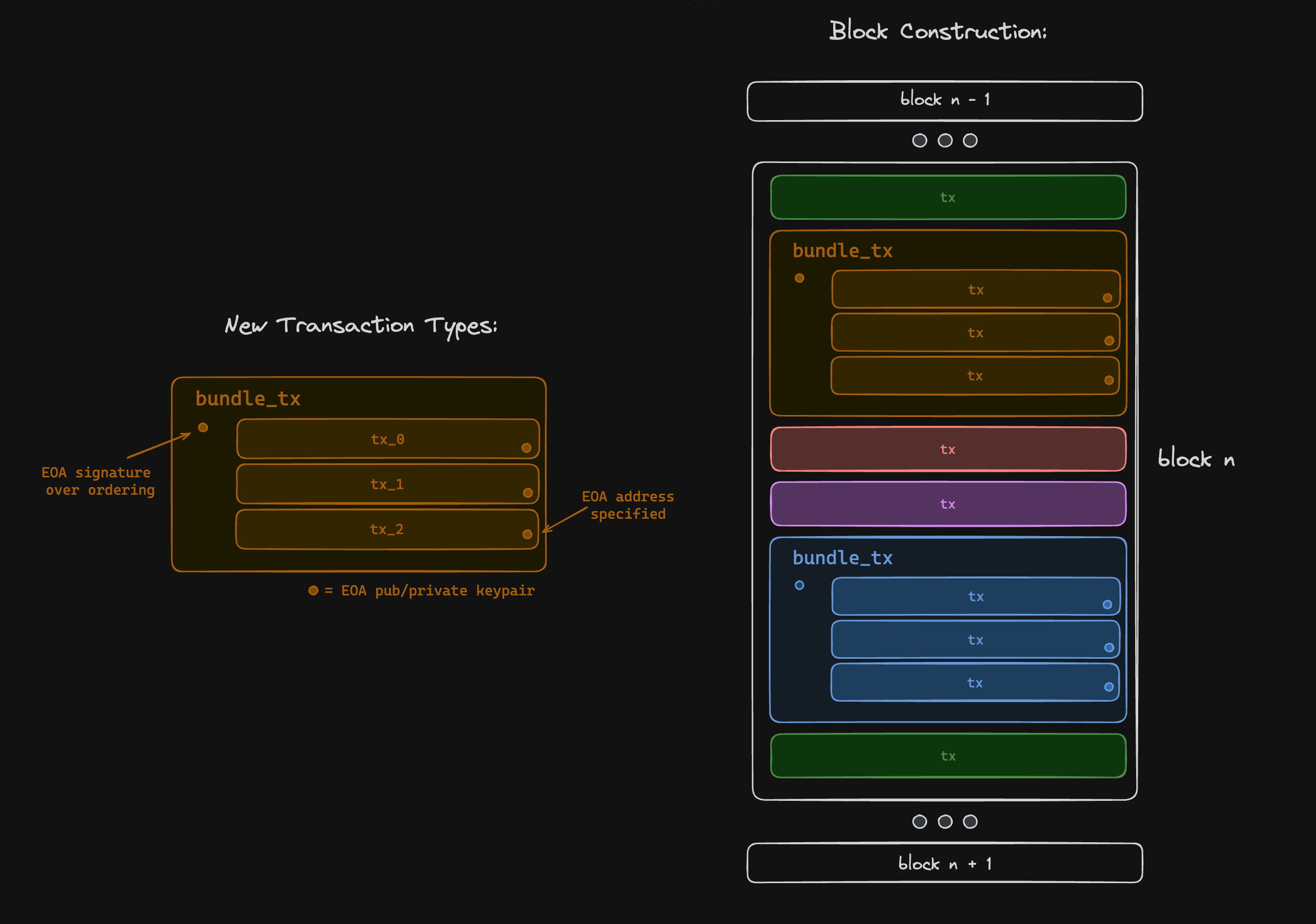
- Diversify via hybrid protocols such as FastLane, combining on-chain auctions with relayer efficiencies to balance transparency and privacy in MEV extraction.
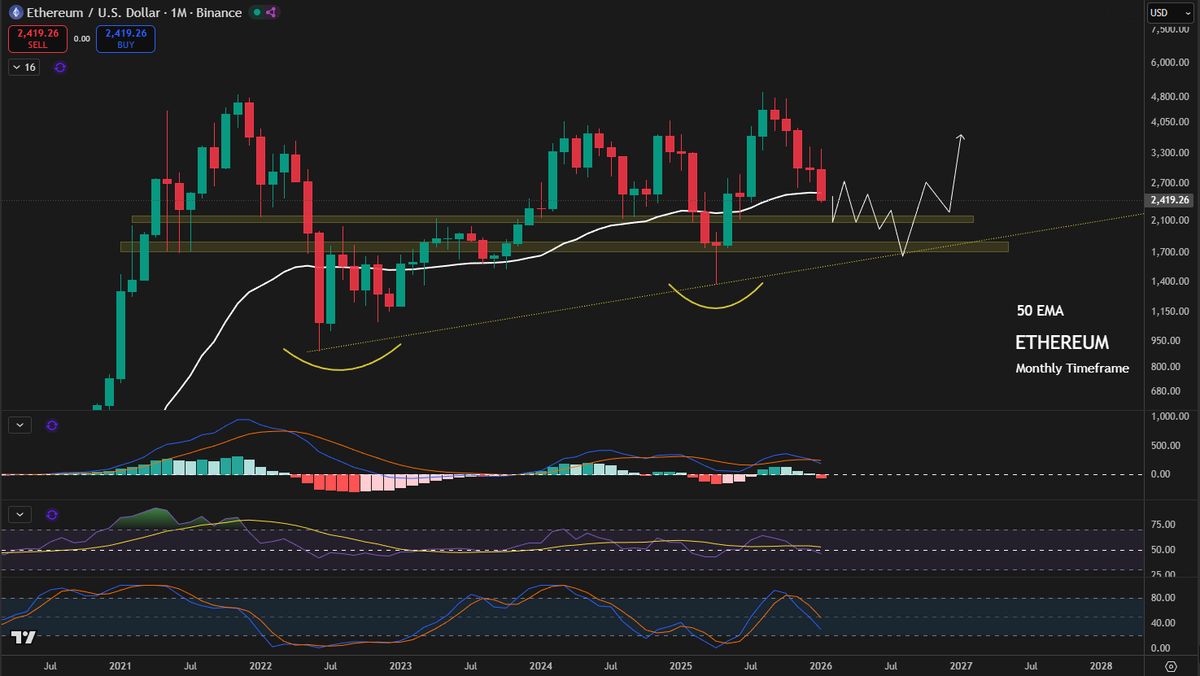
- Track ETH at $2,282.51 (24h change: -5.28%) for MEV spikes, as price volatility often correlates with heightened auction activity and bidding opportunities.
- Leverage analytics dashboards like Flashbots Explorer or EigenPhi for precise bid calibration, analyzing historical MEV flows and builder behaviors in ePBS.

Consider RaptorCast's role in FastLane: it broadcasts opportunities without exposing strategies, a nod to evolving composability. MEV-X's vision positions auctions as blockchain primitives, from TGEs to liquidity events. Fhenix demonstrates sealed bids enabling MEV-free launches, a boon for fair token distribution amid ETH's $2,163.14 lows testing resolve.
Validators, too, benefit. Outsourcing via PBS lets them focus on attesting, with builders handling Ethereum orderflow auctions complexities. Studies affirm revenue uplift, though profit concentration demands vigilant decentralization efforts. As 2026 unfolds, expect enshrined mechanisms to refine this balance, potentially via shared auction protocols that Arbitrum questions but innovators pursue.
Patience pays here. Traders who dissect these dynamics, blending open competition's vibrancy with sealed efficiency's shield, position for sustainable edges. With Ethereum at $2,282.51 and MEV infrastructure maturing, the era of equitable extraction dawns, rewarding those who adapt thoughtfully.




No comments yet. Be the first to share your thoughts!