

In the evolving landscape of Ethereum's blockspace markets, where Ethereum trades at $1,936.37 after a 24-hour dip of $57.60 or -2.89%, order flow auctions (OFAs) emerge as a sophisticated tool for MEV extraction. These mechanisms allow users to auction their transaction intents to searchers, capturing value that would otherwise dissipate into the hands of intermediaries. As Ethereum's mempool buzzes with activity between its 24-hour high of $2,035.08 and low of $1,927.72, OFAs represent a shift toward user-centric DeFi MEV extraction strategies, promising better execution and reduced frontrunning risks.
Decoding Maximal Extractable Value in Ethereum
Maximal Extractable Value, or MEV, captures the additional profit from reordering, inserting, or censoring transactions in a block. Far from a mere technicality, MEV arises in Ethereum's public mempool, where arbitrageurs and sandwich attackers exploit order flow. Reports from Galaxy underscore why MEV persists as a core issue: it distorts price discovery and amplifies network congestion. Yet, in my view, this paradox holds potential. By channeling MEV through structured auctions, protocols like Flashbots foster permissionless extraction while shielding users from predatory tactics.
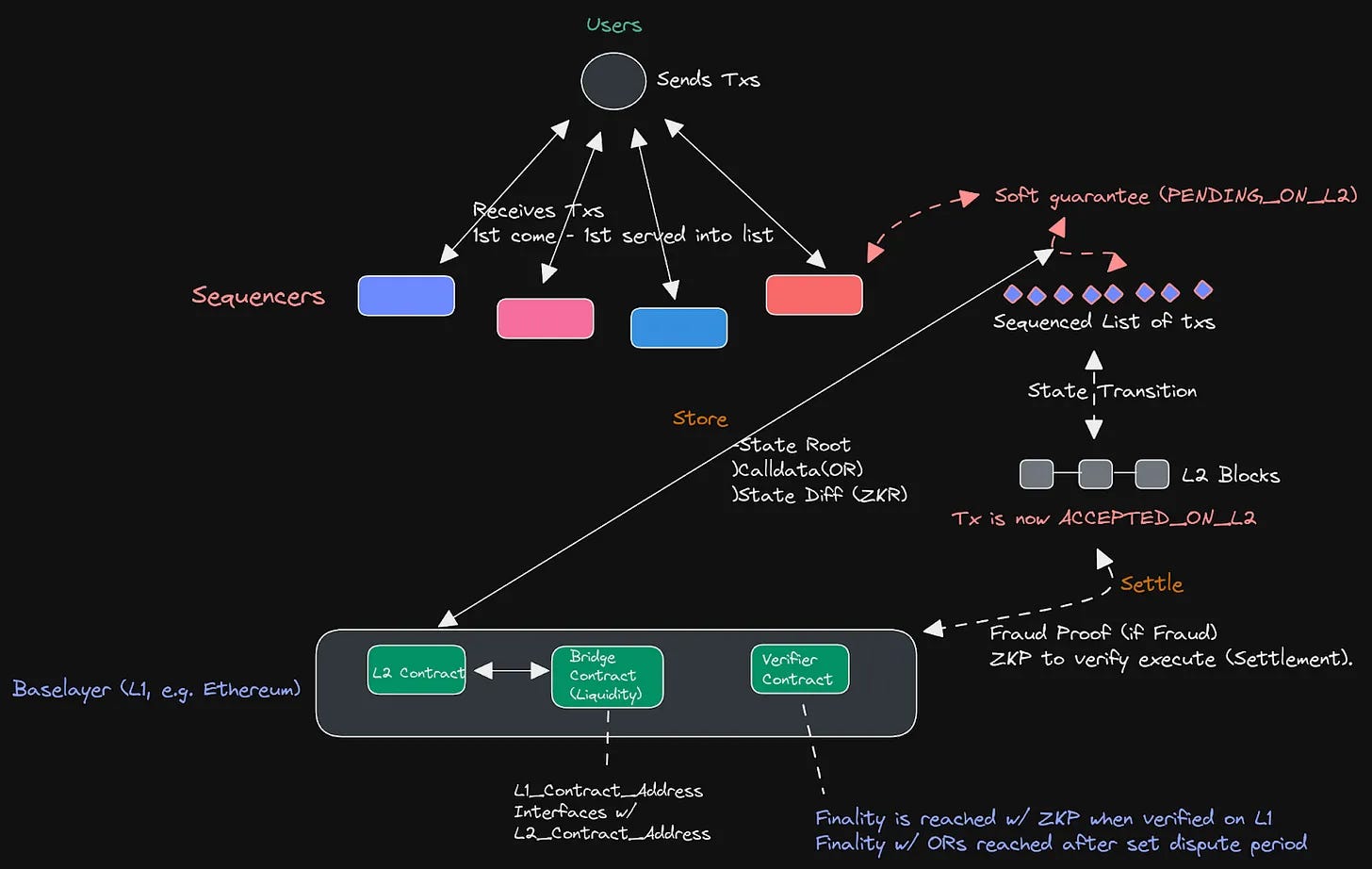
Consider the mechanics: a DEX trade broadcasts an intent vulnerable to sandwiching, where a searcher wraps it with buy-sell pairs to profit from slippage. Traditional public relays exacerbate this, but OFAs reroute orders to private auctions. Sources like monoceros. com detail how users submit intents to third-party platforms, granting searchers exclusive rights in exchange for bids. This MEV blockspace bidding dynamic aligns incentives, redistributing surplus back to originators.
The Inner Workings of Order Flow Auctions
At their core, order flow auctions MEV aggregate user transactions into batches for third-party execution, as outlined in L2IV Research. Platforms bundle intents into atomic payloads, minimizing gas costs and enhancing settlement guarantees. CoW DAO highlights benefits: superior price discovery, slashed fees, and boosted liquidity. Searchers compete via sealed-bid auctions, paying for bundles ripe with MEV opportunities like cross-DEX arbitrage.
Users send their orders to a third-party auction, where MEV-extracting searchers pay for exclusive rights.
This process sidesteps public mempool pitfalls. In practice, tools like CryptoFlow offer real-time insights, empowering traders to select optimal auctions. Modular MEV Auctions exemplify this with orderflow bundling, transforming fragmented intents into efficient blockspace bids. However, private order flows introduce nuances; arXiv papers reveal how Proposer-Builder Separation (PBS) enables builders to tap these streams, potentially centralizing power.

Navigating Risks and Rewards in Ethereum Order Flow Marketplaces
While OFAs democratize Ethereum order flow marketplace access, challenges loom. Centralization risks from dominant searchers mirror traditional finance pitfalls, demanding vigilant risk management. Blocknative's explorations emphasize fair execution: users reap economic rents from their transactions, but failure penalties and Shapley value models are vital for equitable splits. At $1,936.37, Ethereum's price volatility underscores the stakes; OFAs mitigate slippage in turbulent markets, aligning with my principle to mitigate risk, maximize potential.
Recent integrations, such as Blocknative's Mempool Explorer, provide granular views into flow dynamics. Yet, policy analyses from the International Center for Law and Economics caution on long-term implications. Ongoing innovations, including competitive auctions with execution SLAs, pave the way for robust Modular MEV auctions guide principles.
Ethereum (ETH) Price Prediction 2027-2032
Forecasts driven by Order Flow Auctions (OFAs), MEV extraction efficiencies, and Ethereum ecosystem advancements
| Year | Minimum Price (USD) | Average Price (USD) | Maximum Price (USD) |
|---|---|---|---|
| 2027 | $2,800 | $4,200 | $6,500 |
| 2028 | $3,500 | $5,800 | $9,200 |
| 2029 | $4,500 | $7,900 | $12,500 |
| 2030 | $5,800 | $10,500 | $16,800 |
| 2031 | $7,400 | $13,800 | $22,000 |
| 2032 | $9,500 | $18,200 | $28,500 |
Price Prediction Summary
Ethereum's price is projected to grow substantially from 2027 to 2032, fueled by Order Flow Auctions mitigating MEV downsides, improving user economics, and boosting adoption. Conservative minimums reflect bearish market cycles and regulatory hurdles, while maximums capture bullish scenarios from tech upgrades and institutional inflows, with averages indicating 35-40% annualized growth.
Key Factors Affecting Ethereum Price
- Adoption of Order Flow Auctions for MEV redistribution to users, enhancing transaction efficiency and reducing costs
- Ethereum scaling advancements (L2s, proto-danksharding) increasing blockspace capacity
- Regulatory clarity on DeFi and MEV practices fostering institutional investment
- Market cycles influenced by global crypto adoption and macroeconomic trends
- Technological innovations like private order flows and builder bidding dynamics
- Competition from L1/L2 alternatives and potential centralization risks in MEV extraction
Disclaimer: Cryptocurrency price predictions are speculative and based on current market analysis. Actual prices may vary significantly due to market volatility, regulatory changes, and other factors. Always do your own research before making investment decisions.
Execution quality remains paramount. Without stringent penalties for failed bundles, searchers might prioritize high-MEV opportunities, leaving users exposed. Shapley value models, which fairly apportion revenue based on contribution, offer a mathematical bulwark against this. In my experience across capital markets, such game-theoretic tools prevent free-riding and foster trust in DeFi MEV extraction strategies.
Leveraging Modular MEV Auctions for Optimal Blockspace Bidding
Platforms like Modular MEV Auctions stand at the forefront, introducing orderflow bundling that aggregates intents into atomic payloads for blockspace submission. This innovation slashes costs and amplifies efficiency, particularly as Ethereum hovers at $1,936.37 amid its recent 24-hour range from $1,927.72 to $2,035.08. Traders benefit from real-time analytics, spotting bundles with arbitrage potential before public exposure. Yet, success hinges on selecting auctions with proven track records; browser extensions like CryptoFlow integrate seamlessly, notifying users of optimal bids.
Centralization shadows these advances. Private flows empower builders under PBS, but without transparency, power consolidates among few. Research stresses diversified searcher pools and open protocols to counter this. For risk-averse participants, hybrid models blending public and private auctions balance yield with security.
Step-by-Step Guide to Participating in Order Flow Auctions
Unlock MEV Rewards: Submit Transactions to Order Flow Auctions
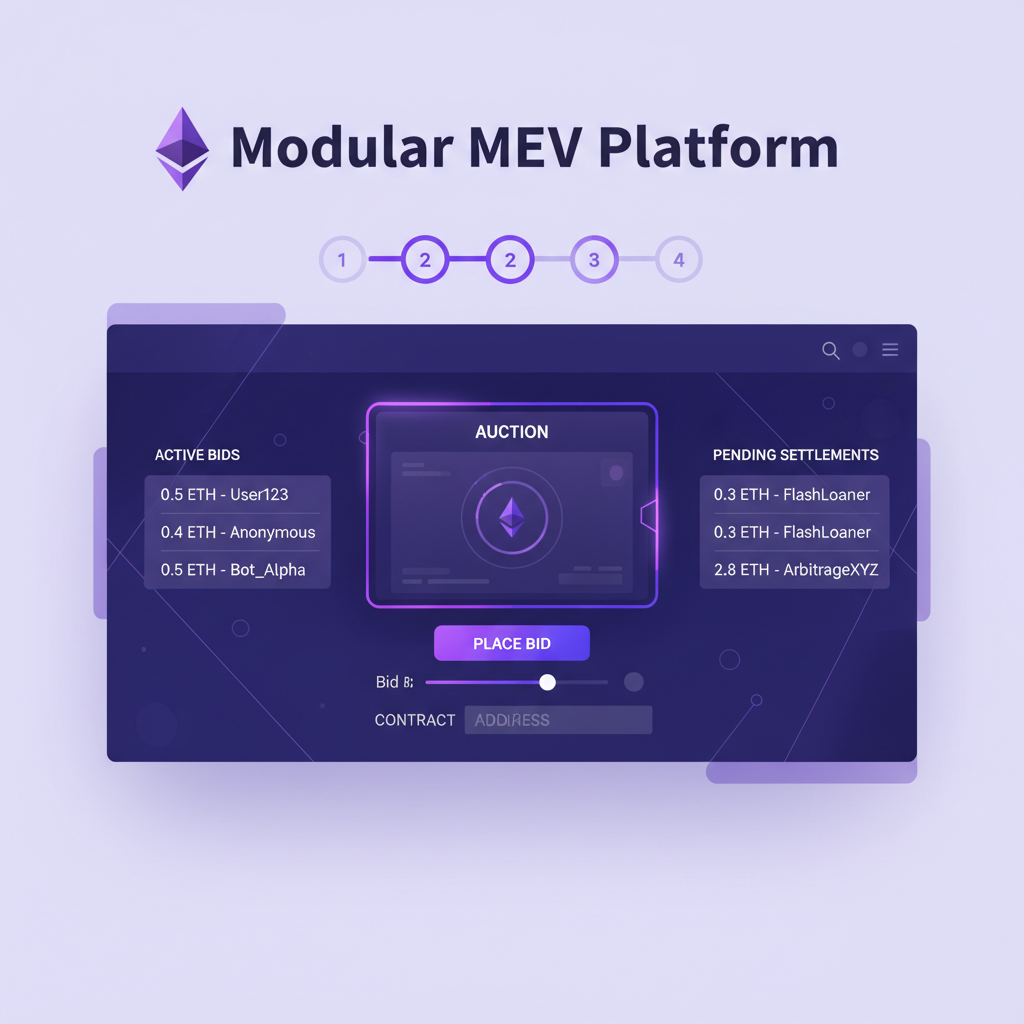
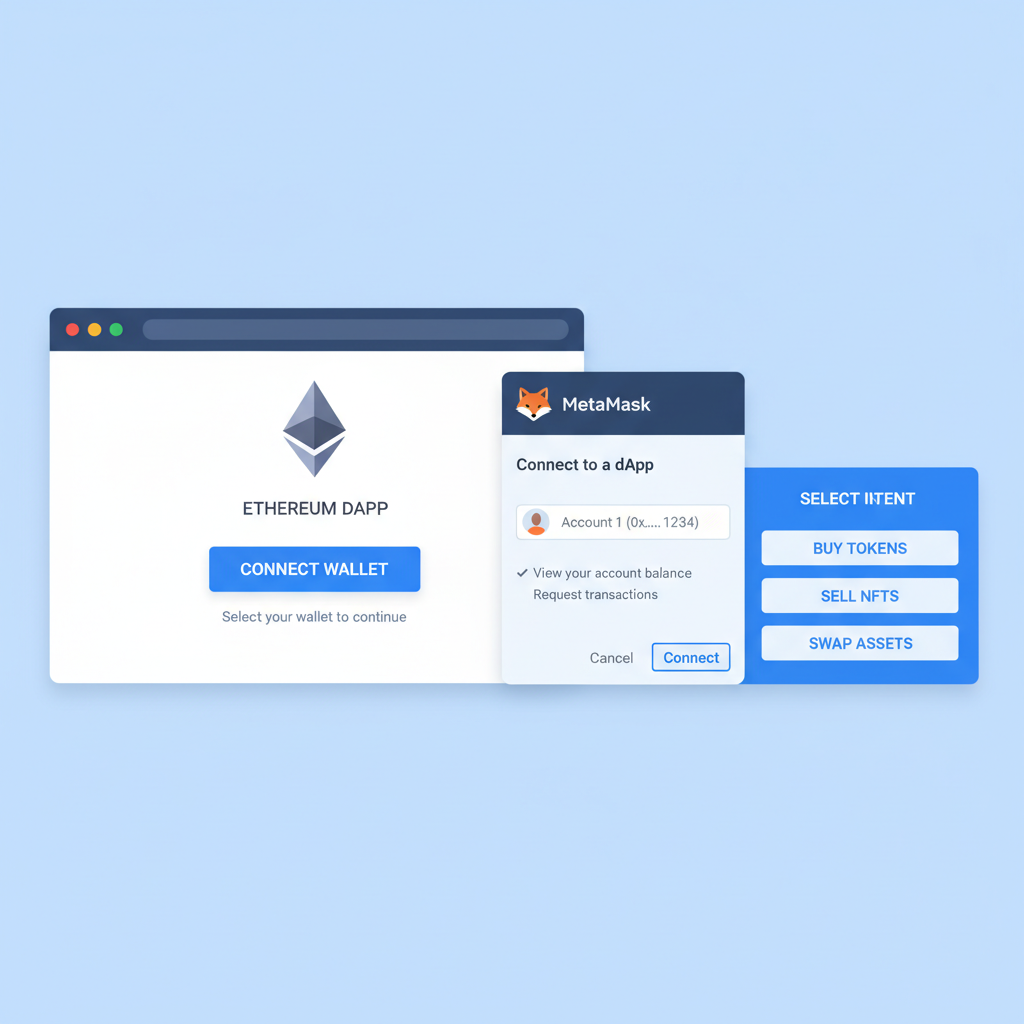
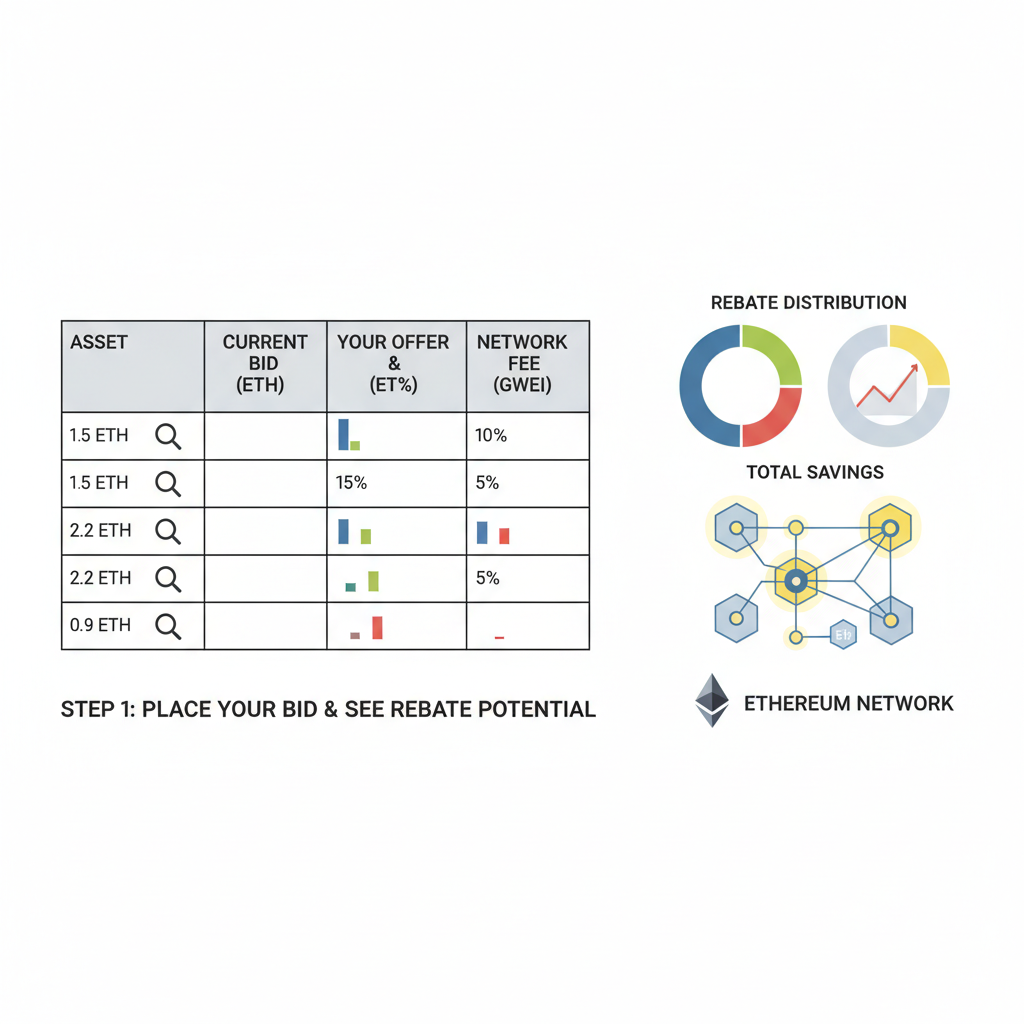
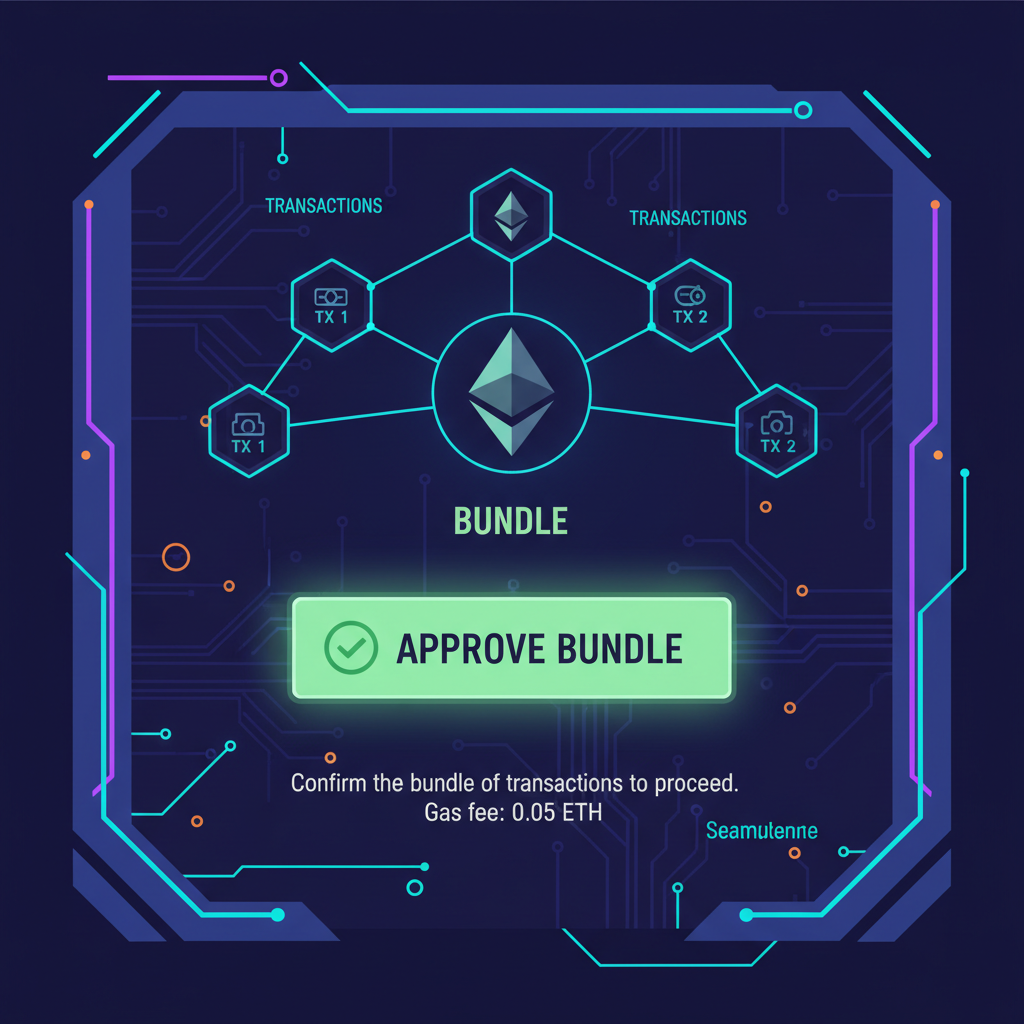
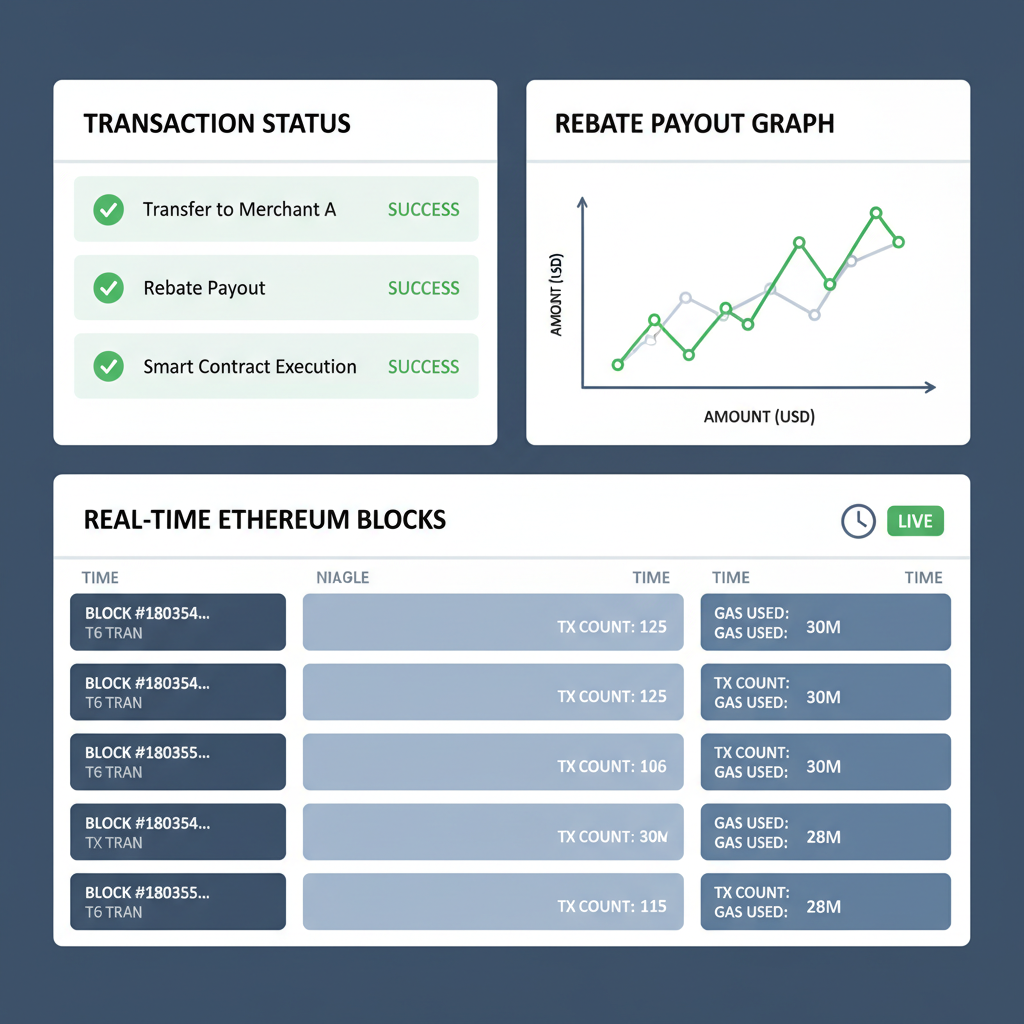
Participating demands preparation. First, integrate compatible wallets with OFA endpoints. Monitor mempool explorers for flow density, timing submissions during low congestion to maximize bids. Advanced users layer strategies: pair OFAs with limit orders for slippage protection. Empirical data shows bundled trades yield 10-20% better prices versus public mempool, per CoW DAO metrics.
Regulatory scrutiny looms, as policy papers dissect MEV's societal costs. Yet, Ethereum's resilience shines; at $1,936.37, its ecosystem absorbs shocks, with OFAs buffering volatility. Flashbots' permissionless ethos endures, evolving into sophisticated marketplaces.
Outlook for Ethereum Order Flow Marketplaces
Looking ahead, MEV blockspace bidding will integrate deeper with L2 scaling, where batch auctions handle cross-rollup arbitrage. Innovations like failure cost penalties ensure reliability, while Shapley allocations refine fairness. Modular MEV Auctions, with their focus on transparent tools, position users to capture rising value as Ethereum matures.
In this $1,936.37 market, OFAs transform vulnerabilities into assets. Traders who master these mechanisms sidestep sandwich pitfalls, securing superior execution. Developers building on them unlock programmable orderflow, fueling DeFi's next phase. By prioritizing execution SLAs and diverse participation, the ecosystem edges toward equitable growth. Check out how blockspace marketplaces are transforming MEV auctions for deeper tactics. Ultimately, disciplined adoption of order flow auctions MEV aligns with enduring principles: mitigate risks through structure, maximize potential via competition.
| Metric | Public Mempool | Order Flow Auctions |
|---|---|---|
| Execution Price Improvement | Baseline | and 5-15% |
| MEV Exposure Risk | High | Low |
| Gas Fees | Variable | Fixed/Predictable |
| User Revenue Share | 0% | Up to 90% |



No comments yet. Be the first to share your thoughts!