
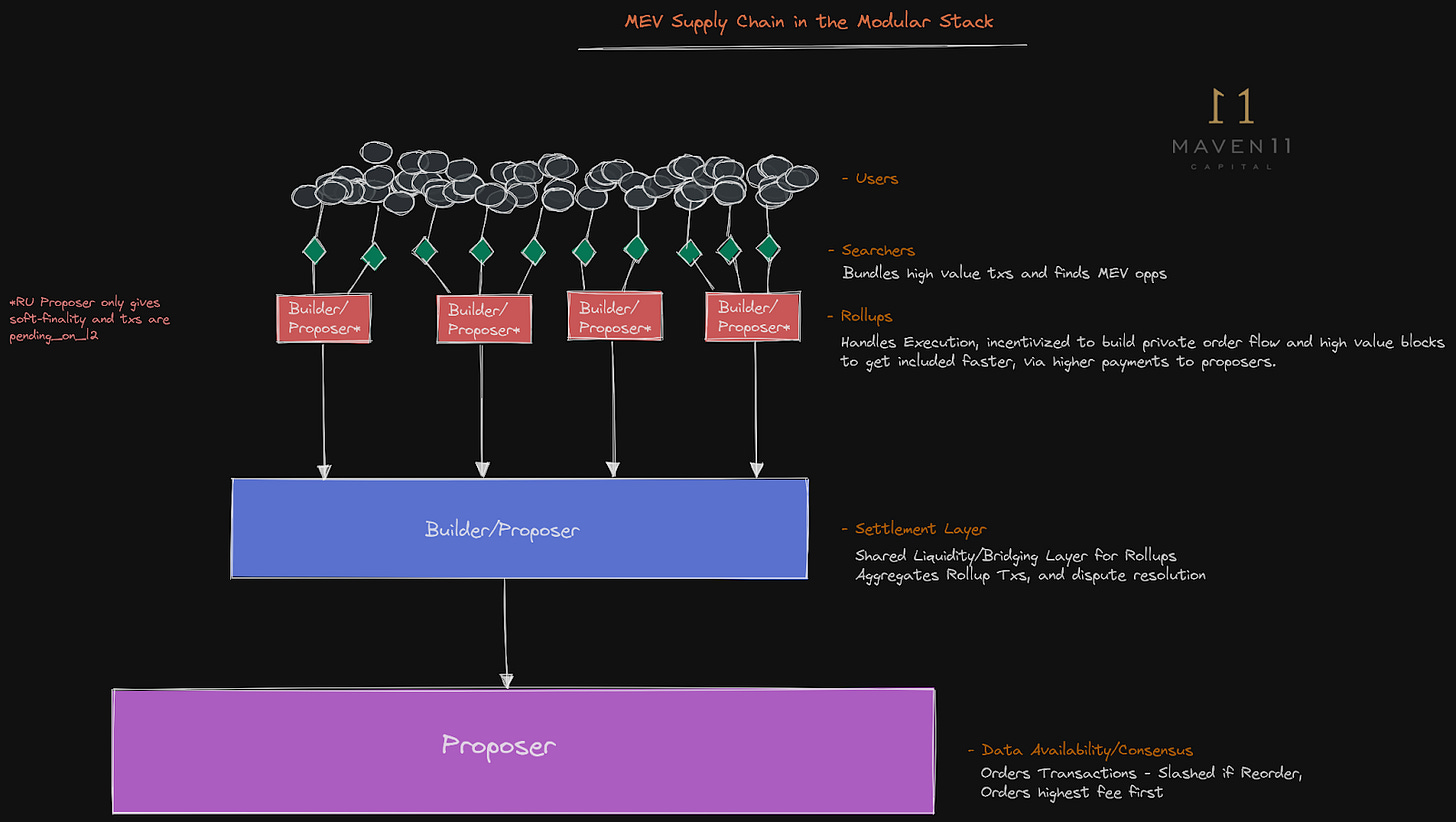
Why modular hardware matters for 2026
The era of monolithic, all-in-one MEV nodes is ending. As block-building strategies grow more complex, relying on a single, rigid hardware stack creates a bottleneck. In 2026, the competitive edge belongs to searchers who treat their infrastructure like a set of interchangeable tools rather than a fixed monument.
Modular hardware allows for rapid iteration on block-building strategies without replacing entire hardware stacks. You can swap out a CPU for a better instruction set, upgrade NVMe drives for faster state access, or change network interfaces for lower latency—all independently. This flexibility is critical when a new optimization technique requires specific hardware features that your current setup lacks.
Latency remains the primary metric, but flexibility is the secondary advantage that sustains it. A modular approach lets you experiment with different processor architectures or memory configurations in production environments without downtime. This reduces the cost of trial and error, allowing you to adapt to changing blockchain protocols and market conditions with speed and precision.
By decoupling components, you isolate performance bottlenecks more effectively. If latency spikes, you can quickly identify whether it stems from CPU contention, disk I/O, or network jitter, and replace only the failing part. This targeted approach to maintenance and optimization is far more efficient than managing a monolithic system where every upgrade requires a complete overhaul.
Top modular MEV setups for searchers
Building a competitive MEV stack requires more than just optimized code; it demands infrastructure that minimizes latency at every hop. The gap between a successful block capture and a missed opportunity often comes down to milliseconds, making the choice of networking and compute hardware the primary lever for searcher performance.
The following setups prioritize direct connectivity and high-throughput processing. These components are selected to reduce packet loss and ensure that transaction bundles reach the builder's mempool before competitors.
Low-Latency Networking Gear
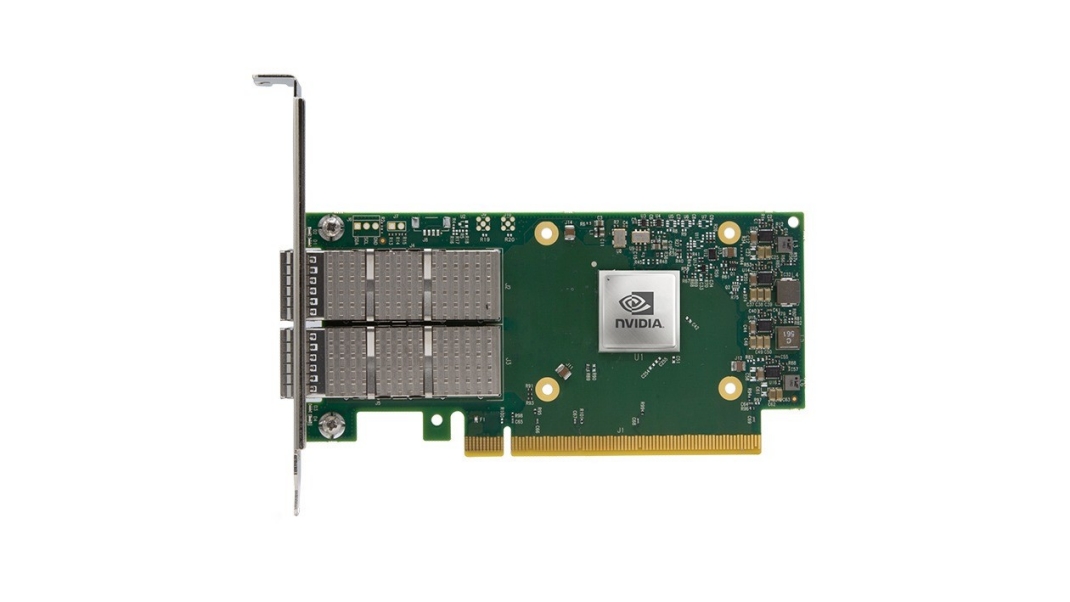
The foundation of any MEV operation is the network interface. Standard consumer routers introduce jitter and buffering delays that are unacceptable for high-frequency trading. Searchers should prioritize enterprise-grade network interface cards (NICs) with hardware timestamping and large buffer sizes to handle burst traffic without dropping packets.
Look for NICs that support Direct Memory Access (DMA) and interrupt coalescing tuning. These features allow the CPU to process network packets more efficiently, reducing the overhead between packet arrival and execution. Pairing these NICs with low-latency switches ensures that data moves through the physical layer with minimal delay.


As an Amazon Associate, we may earn from qualifying purchases.
High-Performance Compute Modules
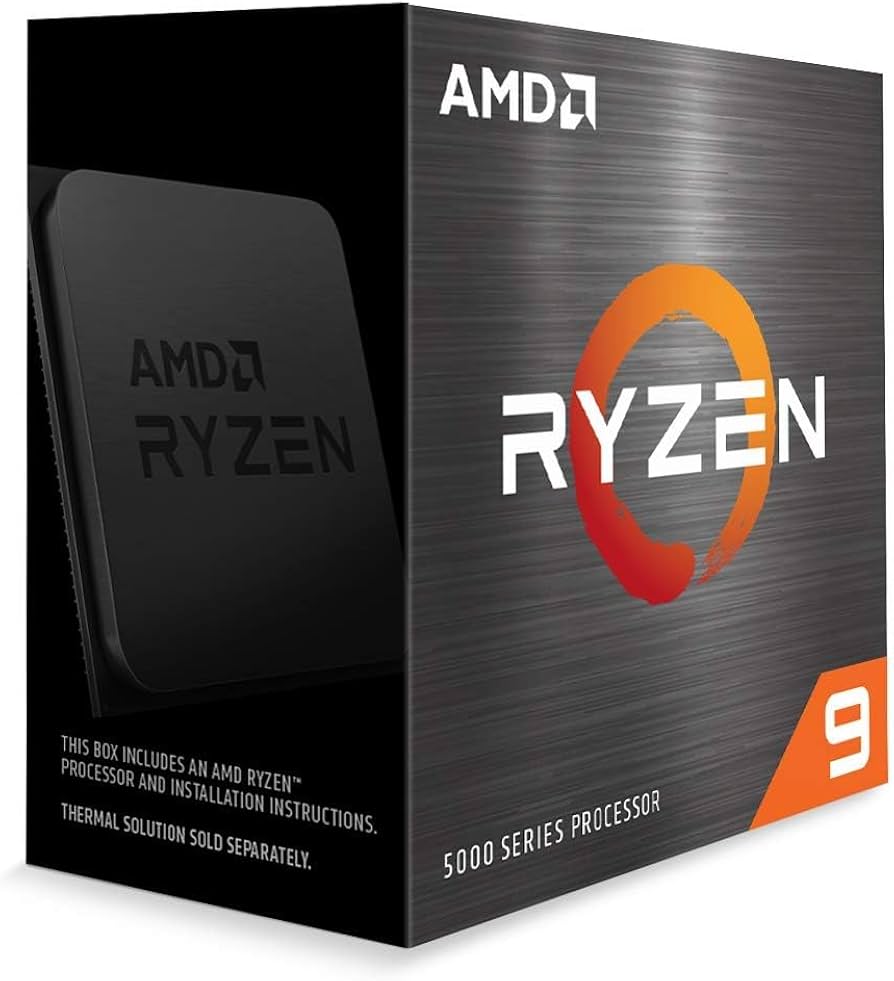
Once the data arrives, the compute node must process it instantly. Searchers benefit from CPUs with high single-threaded performance, as many MEV bots are not fully parallelized and rely on raw clock speed for serialization and deserialization tasks. AMD Ryzen and Intel Core processors with high boost clocks are common choices for the execution layer.
Memory speed is equally critical. The MEV stack frequently loads and manipulates large state snapshots. DDR5 memory with low latency timings reduces the time the CPU spends waiting for data, allowing for faster simulation and transaction signing. Ensure the motherboard supports high-speed memory channels and has adequate cooling to sustain boost clocks under load.


As an Amazon Associate, we may earn from qualifying purchases.
Cooling and Power Stability
Sustained performance requires stable temperatures and power. MEV bots often run at 100% utilization for extended periods. Inadequate cooling leads to thermal throttling, which introduces unpredictable latency spikes. High-quality air coolers or liquid cooling solutions are necessary to maintain peak clock speeds.
Similarly, a reliable Uninterruptible Power Supply (UPS) protects against sudden power losses that could corrupt state or disconnect the node from the network. A UPS with pure sine wave output ensures that sensitive server components receive clean power, preventing hardware damage and data corruption during outages.


As an Amazon Associate, we may earn from qualifying purchases.
Comparing infrastructure configurations
Choosing the right hardware for a 2026 modular MEV stack requires balancing latency, throughput, and capital expenditure. The following table compares three common infrastructure profiles: the low-latency edge node, the high-throughput central validator, and the cost-optimized archival node. These configurations reflect current hardware trends in ARM-based single-board computers and enterprise-grade NVMe storage solutions.
| Configuration | Primary CPU | Storage Type | Best For |
|---|---|---|---|
| Edge Node | Raspberry Pi 5 (8GB) | High-end MicroSD or USB 3.0 SSD | Local block construction, low-cost monitoring |
| Central Validator | AMD Ryzen 9 7950X | PCIe 4.0 NVMe (e.g., Samsung 990 Pro) | High-frequency trading, low-latency execution |
| Archival Node | Intel Xeon E-2300 | SATA SSD + HDD Array | Data indexing, historical analysis, cost efficiency |
The Edge Node configuration prioritizes accessibility. Using a Raspberry Pi 5 with 8GB of RAM allows searchers to run lightweight MEV bots or monitor local mempool activity without significant overhead. While not suitable for high-frequency arbitrage due to network and I/O bottlenecks, it serves as an excellent entry point for testing logic and understanding local block construction dynamics.
For Central Validators, performance is paramount. The AMD Ryzen 9 7950X offers the multi-core throughput necessary for parallel transaction simulation and bundle construction. Paired with a PCIe 4.0 NVMe drive like the Samsung 990 Pro, this setup minimizes I/O wait times, ensuring that transaction data is read and written as quickly as possible. This configuration is ideal for searchers competing in high-stakes auctions where milliseconds determine profitability.
The Archival Node focuses on data integrity and storage capacity rather than raw speed. An Intel Xeon processor paired with a hybrid SSD/HDD array provides a stable environment for indexing historical blockchain data. This setup is less about real-time execution and more about long-term data analysis, allowing searchers to backtest strategies and identify patterns in past MEV opportunities without incurring the high costs of enterprise-grade SSDs for all data.
Optimizing for block building competition
The 2026 modular MEV stack requires hardware that prioritizes deterministic latency over raw throughput. In block building competitions, the difference between winning and losing is often measured in microseconds. To stay competitive, you must tune your infrastructure to minimize the time between transaction reception and block inclusion.
Hardware Components for Low Latency
The foundation of a competitive stack is the network interface card (NIC) and the CPU architecture. Standard consumer hardware introduces unpredictable jitter that can cause missed blocks. We recommend focusing on NICs with hardware timestamping and CPU pinning to dedicated cores. This ensures that your transaction processing pipeline is isolated from background system noise.
MEV-Boost Alternatives
While MEV-Boost remains the standard, 2026 sees a rise in decentralized searcher networks. These alternatives often require different latency profiles. You may need to adjust your bonding strategies and validator selection logic to accommodate these new block-building protocols. Understanding the specific latency requirements of each protocol is essential for optimizing your hardware investment.
Decentralized Searcher Considerations
Decentralized searchers often operate with less capital but higher efficiency. To compete, your infrastructure must be agile. This means having the ability to quickly reconfigure your stack for different consensus clients or block-building protocols. The modular nature of your stack allows for this flexibility, but it requires careful management of dependencies.


As an Amazon Associate, we may earn from qualifying purchases.
No comments yet. Be the first to share your thoughts!