
How to pick the right Eurorack size
Choosing the right modular synthesizer rack begins with measuring your available space and estimating your signal flow needs. Eurorack modules are standardized by width in "HP" (Horizontal Pitch), where 1 HP equals 0.5 inches or 12.7mm. Your physical footprint is determined by the total HP count, which typically ranges from 60 HP for portable, compact setups to 120 HP or more for large, stationary studio systems.
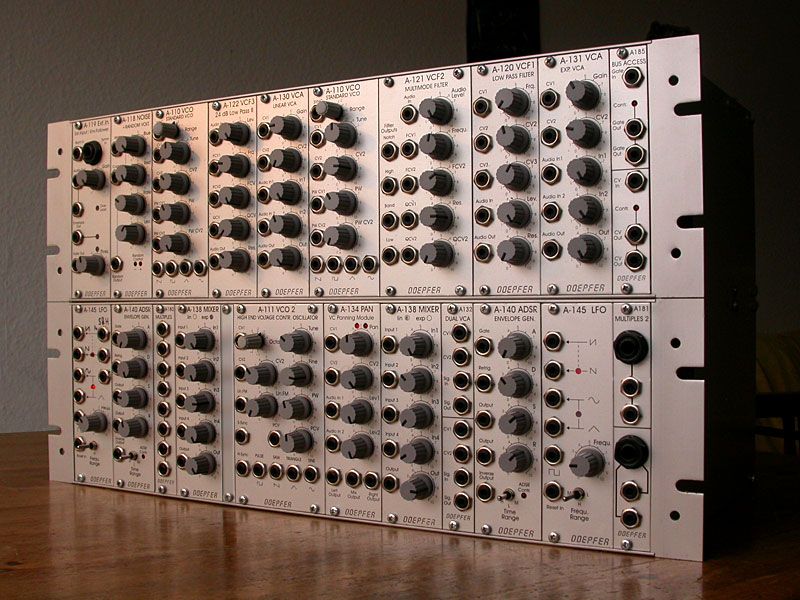
When planning your 2026 setup, consider the physical constraints of your desk or case. A 60 HP rack, such as those found in Intellijel's compact cases, offers a manageable footprint for essential oscillators, filters, and sequencers. However, as your patching complexity grows, you will quickly outgrow these smaller formats. A 120 HP rack, like the Doepfer A-100 series standard, provides the necessary depth and width to accommodate larger modules, complex audio routing, and additional power distribution without excessive cable clutter.
It is also critical to account for future expansion. Modular synthesis is an evolving hobby; new modules are released constantly, and your sound design requirements will shift. A good rule of thumb is to leave at least 20% spare space in your rack for future modules and cable management. This buffer prevents the frustration of having to rebuild your entire system just to add a single new effect or modulation source.
Modern rack designs in 2026 also emphasize material quality and durability. Brands like 4ms and Intellijel have updated their chassis designs to use thicker aluminum and improved powder-coating finishes, which resist wear and tear better than older models. This is particularly important if you plan to transport your rack for live performances or studio sessions. Check the specific HP capacity and build quality of each rack model to ensure it aligns with your long-term modular journey.
Best portable rack cases for gigging
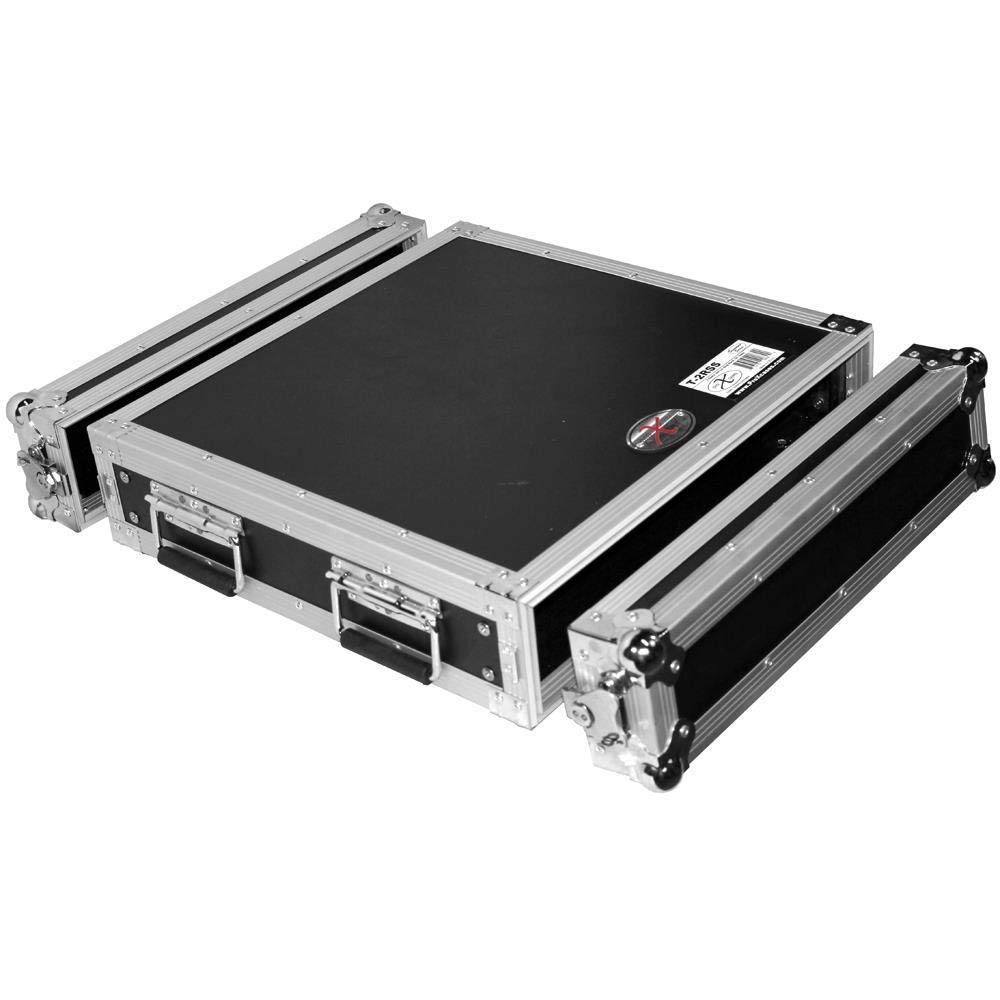
Transporting a modular synth setup requires more than just a sturdy box; it demands protection for delicate patch cables and voltage-controlled oscillators. The 2026 Eurorack market has shifted toward lightweight, modular flight cases that balance durability with portability. Whether you are heading to a studio session or a festival stage, choosing the right rack case is the difference between a seamless soundcheck and a broken module.
Intellijel Cases: The Standard for Durability
Intellijel has long been the reference point for high-end portable racks. Their latest 2026 models feature updated aluminum frames and reinforced corners, designed to withstand the rigors of modern touring. The cases are engineered to integrate seamlessly with Intellijel’s own 4U and 1U modules, ensuring a tight fit without excess movement. Musicians appreciate the clean aesthetic and the robust locking mechanisms that keep the rack secure during transit.
Doepfer Rack Cases: Reliable and Affordable
Doepfer offers a practical alternative for musicians who need solid protection without the premium price tag. Their portable racks utilize high-density foam inserts that can be customized to fit various module configurations. The 2026 updates focus on improved latching systems and lighter weight materials, making them easier to carry for long distances. They are a favorite among beginners and semi-professionals who prioritize function over form.
4ms Case: Customization and Compact Design
4ms Scheme is known for its compact, stackable design that appeals to musicians with smaller setups. Their portable cases often feature innovative locking mechanisms and modular internal structures. The 2026 versions include refined foam patterns that reduce weight while maintaining shock absorption. This brand is ideal for artists who need a quick, compact solution for traveling with a limited number of modules.
Choosing the Right Fit
When selecting a portable rack, consider the total height of your modules and the number of patch cables you use. A case that is too tight can damage jacks, while one that is too loose allows modules to shift. Look for cases with removable foam trays that allow you to adjust the layout as your collection grows. Additionally, check for external carrying handles and shoulder straps to ease the physical burden of transport.

As an Amazon Associate, we may earn from qualifying purchases.
Stationary rack solutions
For permanent studio installations, portability is the last thing on your mind. You need a chassis that acts as the backbone of your system, handling the weight of dozens of modules while keeping cable management tidy. In 2026, the best stationary racks have moved beyond simple steel frames to include integrated power distribution, robust mounting systems, and materials designed to dampen vibration.
Intellijel Pluck 2
The Intellijel Pluck 2 remains a staple for serious builders who want a compact but sturdy foundation. Its aluminum construction provides excellent rigidity, and the updated 2026 models feature refined power routing that simplifies the initial setup. It is designed to sit flat on a desk or be mounted to a larger desk frame, offering a clean look without sacrificing module capacity.
Doepfer A-100 Rack System
Doepfer’s A-100 rack system is the industry workhorse. Built for heavy-duty use, these racks are made from high-quality steel that resists warping over time. The design prioritizes functionality, with generous spacing for cable management and mounting points that align perfectly with standard Eurorack modules. It is a no-nonsense solution for studios that prioritize reliability and longevity.
4ms Rack System
4ms has long been a favorite among modular enthusiasts for its thoughtful design and durability. Their stationary racks often include features like integrated cable management channels and high-quality hardware that prevents modules from shifting during transport or heavy use. The 2026 iterations continue to refine these elements, ensuring that the rack serves as a stable platform for complex patching.
Comparison of Stationary Racks
| Brand | Material | Key Feature | Best For |
|---|---|---|---|
| Intellijel | Aluminum | Integrated power routing | Compact, clean setups |
| Doepfer | Steel | Heavy-duty construction | Long-term reliability |
| 4ms | Steel/Aluminum | Cable management channels | Complex patching |
Amazon Product Grid

As an Amazon Associate, we may earn from qualifying purchases.
Clean power keeps your modular rig stable
Clean power is the invisible foundation of any Eurorack system. Unlike standard audio gear, modular synthesizers draw fluctuating current as oscillators and filters engage. A weak or noisy power supply causes voltage drops, leading to glitchy sequencing, unwanted clicks, or modules resetting unexpectedly. In 2026, the focus has shifted toward efficiency and thermal management, with manufacturers adopting better heat dissipation materials and more precise voltage regulation to handle the demands of modern, high-current modules.
The Intellijel Power Module 2 remains a top choice for its compact footprint and reliable 12V/15V distribution. It offers a straightforward interface for monitoring current draw, helping you avoid overloading your bus cables. For those needing more channels without sacrificing rack space, the Doepfer 4U Power Module provides a robust solution with clear LED indicators for each output, ensuring you can quickly identify any potential issues before they disrupt your sound.
Another strong contender is the 4ms EGO, which not only powers your modules but also manages the distribution of power across multiple racks. Its modular design allows you to scale your setup efficiently, making it ideal for larger installations. When selecting a power supply, prioritize models with built-in protection features like short-circuit and over-current protection to safeguard your expensive modules.


As an Amazon Associate, we may earn from qualifying purchases.
Organize cables for easier maintenance
A tangled rack is a nightmare to troubleshoot. Good cable management isn't just about aesthetics; it ensures airflow and makes swapping modules significantly faster. In 2026, the focus has shifted toward low-profile, color-coded solutions that reduce visual clutter without sacrificing reach.
Intellijel's Power2 and Power4 units have become staples for clean power distribution, but the real innovation lies in their new flat, ribbon-style patch cables. These reduce bulk between rows, making it easier to see which patch points are active. Doepfer continues to offer reliable standard-length cables, but many builders now prefer custom-length kits to avoid excess slack.
4ms offers the Patch Converter and various bus boards that help route power and clocks without daisy-chaining messy wires. For the back of the rack, consider a cable comb or velcro straps to keep the rear tidy. A clean rack invites experimentation; a messy one discourages it.

As an Amazon Associate, we may earn from qualifying purchases.
Common modular rack: what to check next
Buying a modular synthesizer rack involves more than just measuring width. The depth of your case dictates which modules fit, and the material affects both durability and sound. Here are the most frequent questions buyers ask when planning a 2026 Eurorack setup.
Do I need a 20hp or 42hp rack?
The standard Eurorack format is 42hp wide (19.02 inches), which accommodates most mainstream cases like the Intellijel Palette or Doepfer A-100. If you are building a compact travel rig, a 20hp or 32hp micro-rack might suffice, but you will be limited to smaller modules. Always check the internal depth as well; 55mm is standard, but some high-current modules require 75mm or more.
Are wooden racks better than aluminum?
Aluminum cases, such as those from 4ms or Intellijel, are lightweight and durable, making them ideal for touring musicians. Wooden racks, often built by custom luthiers or brands like Make Noise, offer a warmer aesthetic and can reduce resonance, though they are heavier. For 2026, many manufacturers are using recycled aluminum or sustainable wood composites to reduce environmental impact without sacrificing structural integrity.
How do I ship my modular system safely?
Shipping modular synthesizers requires careful packaging to prevent case damage and module dislodging. Use anti-static bags for all modules and bubble wrap the entire rack. Never ship a case with modules installed unless they are securely screwed in and the case is padded internally. For international shipping, check voltage compatibility; most Eurorack power supplies are 100-240V, but some older or specialized units may require a transformer.
No comments yet. Be the first to share your thoughts!