

What is modular MEV infrastructure
Modular MEV infrastructure breaks the traditional monolithic model into distinct layers: execution, data availability, and consensus. In a monolithic chain, these functions are bundled together, creating a single bottleneck where validators capture almost all value. Modular infrastructure separates these roles, allowing specialized nodes to handle specific tasks. This separation creates new opportunities for decentralized searchers who can compete for value across different layers of the stack rather than fighting for block space on a single, congested chain.
By decoupling execution from consensus, searchers can focus on optimizing transaction ordering and arbitrage strategies without being constrained by the underlying consensus mechanism's speed or finality. Data availability layers ensure that transaction data is accessible and verifiable, while execution layers process the transactions efficiently. This architecture shifts value extraction from a single-chain bottleneck to a multi-layer opportunity space, enabling more complex cross-domain strategies.
The result is a more efficient market where value is captured by the most specialized actors. Instead of a validator extracting all possible MEV, searchers can compete for specific opportunities in execution or data availability, leading to a more distributed and resilient ecosystem. This modularity is the foundation for the tools and platforms we will explore in the next sections.
Modular MEV platforms for cross-chain searching
The shift toward a modular blockchain stack has changed how searchers operate. Instead of relying on monolithic chains to handle both execution and data availability, modular MEV infrastructure tools now separate these concerns. This separation allows searchers to build specialized strategies that interact with different layers of the stack, such as using Celestia for data availability while executing on Ethereum L2s or independent rollups.
This section highlights concrete platforms that facilitate this modular approach. These tools are designed to help searchers monitor, simulate, and execute transactions across a fragmented landscape where liquidity and data are distributed. The focus is on platforms that reduce the complexity of managing multiple RPC endpoints and consensus layers simultaneously.
Flashbots MEV-Boost and Relays
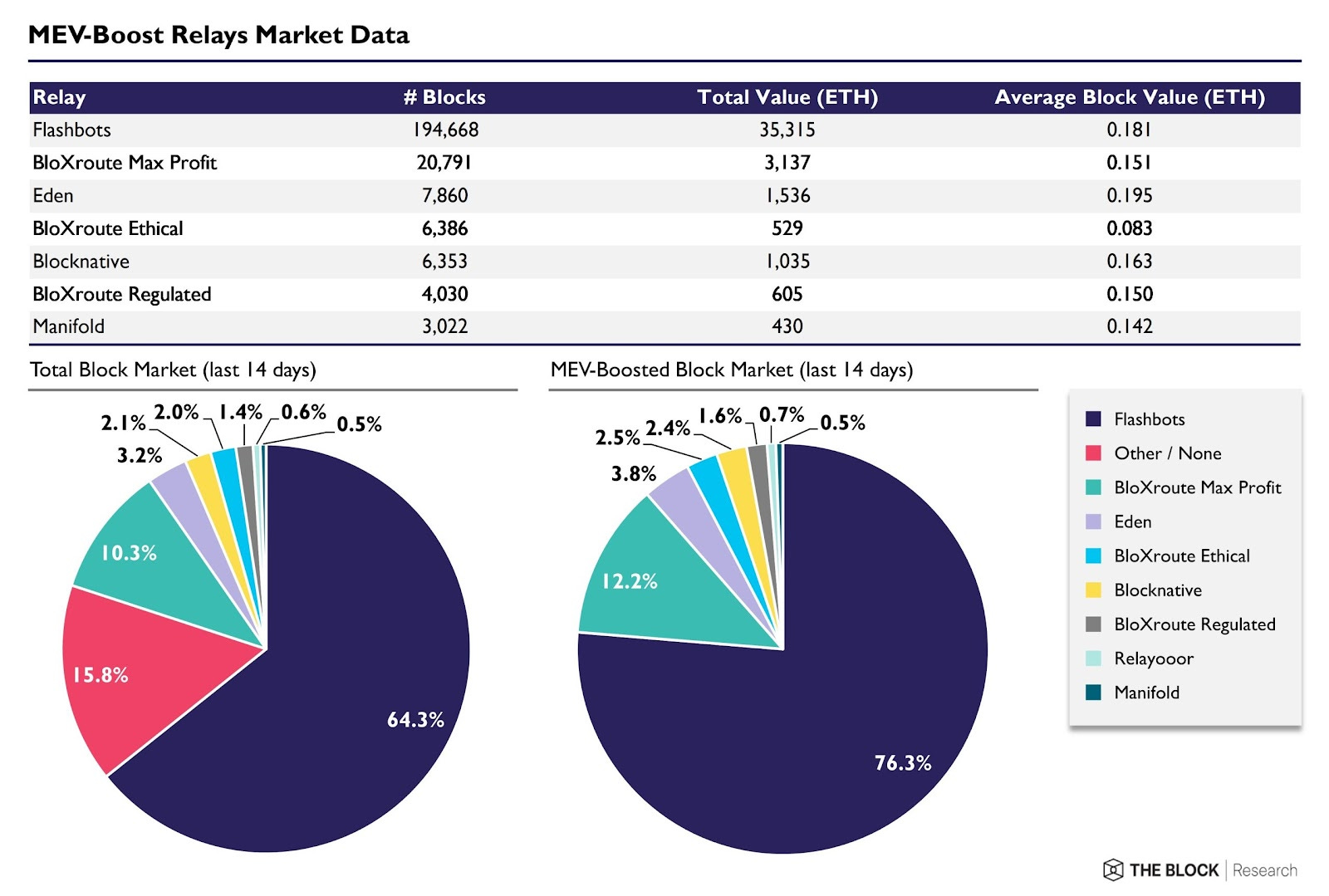
Flashbots remains the dominant infrastructure provider for Ethereum-based MEV. While primarily known for its role in block building via MEV-Boost, the Flashbots ecosystem has expanded to support modular considerations through its research and tooling. Platforms like Flashbots Protect and the broader MEV-Share framework allow searchers to participate in a more transparent, positive-sum MEV environment. For modular stacks, Flashbots provides the critical link between searchers and block builders, ensuring that transactions are included efficiently without being front-run by validators. The infrastructure supports both local and relayed block building, giving searchers flexibility in how they route their payloads.
BloXroute Global Distribution Network (GDN)
BloXroute offers a Global Distribution Network that optimizes the speed and reliability of transaction propagation across multiple chains. For modular MEV searchers, BloXroute’s API allows for low-latency access to mempool data and transaction broadcasting. This is particularly useful for strategies that rely on speed, such as arbitrage between L2s and mainnet. BloXroute supports a wide range of networks, including Ethereum, Polygon, and BNB Chain, making it a versatile choice for searchers operating across a modular stack. The platform’s focus on network-level optimization complements the application-layer strategies provided by other tools.
Tenderly
Tenderly provides a comprehensive platform for simulation, debugging, and monitoring of smart contracts. For modular MEV searchers, Tenderly’s simulation engine is critical for testing strategies across different chains and configurations before executing them on mainnet. The platform supports multiple EVM-compatible chains, allowing searchers to validate their logic in a sandboxed environment that mirrors live conditions. Tenderly’s API also offers real-time transaction monitoring and alerting, which helps searchers track the performance of their strategies and react to market changes quickly. This tool is essential for reducing the risk of failed transactions and optimizing gas usage in a modular environment.
Nansen
Nansen is a blockchain analytics platform that provides deep insights into wallet behavior and token flows. For modular MEV searchers, Nansen’s data can be used to identify high-value transactions and whale movements across different chains. This information can inform strategy development, such as identifying opportunities for arbitrage or liquidation. Nansen’s focus on on-chain data complements the technical infrastructure provided by other tools, offering a layer of intelligence that can enhance searcher decision-making. The platform’s user-friendly interface makes it accessible for searchers who may not have the resources to build custom data pipelines.
Comparison of Modular MEV Infrastructure
The following table compares key features of the platforms mentioned above, focusing on their relevance to modular MEV searching.
| Platform | Primary Use | Cross-Chain Support | Simulation |
|---|---|---|---|
| Flashbots | Block Building & Relay | Limited (EVM-focused) | No |
| BloXroute | Transaction Propagation | Yes (Multi-chain) | No |
| Tenderly | Simulation & Monitoring | Yes (Multi-chain) | Yes |
| Nansen | On-Chain Analytics | Yes (Multi-chain) | No |
Amazon Product Recommendations
While modular MEV infrastructure is primarily software-based, certain hardware components can enhance the performance of searching operations. High-performance servers and networking equipment can reduce latency and improve the reliability of transaction execution. The following products are relevant for searchers looking to optimize their physical infrastructure.


As an Amazon Associate, we may earn from qualifying purchases.
Execution engines for modular stacks
Execution engines are the workhorses of modular MEV infrastructure. They translate transaction pools into ordered blocks, bridging the gap between searchers and the consensus layer. In a modular stack, these engines often connect to shared sequencers or independent rollup nodes, allowing searchers to capture value across different execution environments.
The choice of execution engine dictates how quickly a searcher can react to mempool events and how efficiently they can bundle transactions. Tools like Flashbots MEV-Boost, SUAVE, and custom rollup executors (e.g., for Arbitrum or Optimism) serve different niches. Some prioritize speed for high-frequency arbitrage, while others focus on privacy or censorship resistance.
When selecting an engine, consider latency, supported RPC methods, and integration complexity. Open-source solutions offer flexibility but require significant maintenance. Managed services reduce operational overhead but may introduce centralization risks or higher costs.



As an Amazon Associate, we may earn from qualifying purchases.
Data availability layers for MEV
Modular infrastructure relies on Data Availability (DA) layers to separate the storage of transaction data from the execution of smart contracts. This separation allows rollups to post compressed data blobs to cheaper networks like Celestia or EigenDA, significantly lowering the cost of securing transactions. When data availability is cheap and accessible, the barrier to entry for running MEV searchers and block builders decreases, expanding the competitive landscape.
The impact on MEV extraction is direct. Lower data costs mean more transactions can be processed per block without prohibitive fees, increasing the volume of potential arbitrage and liquidation opportunities. However, this modularity introduces new complexities. Cross-chain MEV strategies must now account for the finality times of both the execution layer and the DA layer, creating new windows for front-running or sandwich attacks that exploit the delay between data posting and consensus finality.
To understand the mechanics, it helps to look at the components involved in a modular stack. The following comparison highlights how different DA solutions impact the speed and cost structure for MEV actors.
| Feature | Celestia | EigenDA | Ethereum L1 |
|---|---|---|---|
| Primary Role | Blob storage for rollups | Blob storage with KZG commitments | Full execution and data availability |
| Data Cost | Low | Low | High |
| Finality Time | ~1 hour (consensus) | ~15 minutes | ~12-15 minutes |
| MEV Impact | Enables high-volume, low-cost DEX arb | Balances cost and faster finality | Highest security, highest cost per tx |
The choice of DA layer often dictates the type of MEV strategies that are economically viable. On high-cost layers, only large-scale liquidations or complex arbitrage justify the fees. On low-cost DA layers, smaller, high-frequency strategies become profitable, leading to a denser and more competitive MEV environment.


As an Amazon Associate, we may earn from qualifying purchases.
What Searchers Are Actually Building
The modular MEV landscape has shifted from theoretical research to active deployment. Developers are no longer just debating the architecture; they are shipping tools that separate execution from data availability to reduce congestion and improve latency.
"MEV-Week Paris marked a shift from zero-sum extraction to positive-sum infrastructure, where open research tools benefit the entire ecosystem rather than just a few block builders."
Community discussions on the Celestia Forum highlight that shared sequencers are becoming a standard pattern. The consensus is that the value of modular MEV tools lies in their ability to plug into existing rollup architectures without forcing a complete rebuild of the execution layer.
Reddit threads in r/ethfinance frequently cite specific open-source libraries that simplify the integration of these components. The most praised tools are those that offer clear documentation and stable API endpoints, allowing searchers to focus on strategy rather than infrastructure debugging.
Frequently asked questions about modular MEV
Modular MEV infrastructure separates the complex tasks of transaction ordering, block building, and validator execution into distinct, specialized components. This separation allows builders to plug in custom searchers or optimized execution logic without rewriting the entire chain.
What is an example of MEV?
MEV occurs when actors reorder, insert, or censor transactions to profit from price discrepancies or timing advantages. Common examples include sandwich attacks, where a trader buys before a large pending order to drive up the price, and DEX arbitrage, which exploits price differences between decentralized exchanges. Liquidation attacks also fall under this umbrella, targeting undercollateralized positions in lending protocols.
Why use modular MEV instead of monolithic?
Monolithic MEV bundles all logic into a single, rigid pipeline, making it difficult to update specific parts without risking system-wide failures. Modular MEV decouples these layers, allowing you to swap out searchers, builders, or relays independently. This flexibility is critical for adapting to changing market conditions or integrating new optimization strategies.
How do builders choose the right tools?
Selecting tools depends on your specific role—whether you are a searcher, builder, or validator. Searchers need low-latency data feeds and fast execution environments. Builders require robust transaction ordering algorithms and reliable relay connections. Validators prioritize security and censorship resistance. Evaluating each component’s performance and compatibility ensures a resilient infrastructure stack.
Is modular MEV secure?
Security depends on the integrity of each module. While modularity reduces single points of failure, it introduces new attack surfaces at the interfaces between components. Rigorous testing, formal verification of smart contracts, and trusted relays are essential. Always audit third-party tools before integrating them into your production environment.
No comments yet. Be the first to share your thoughts!