

As Ethereum hovers at $2,002.73 after a 24-hour dip of $-70.07 (-3.38%), with a high of $2,096.75 and low of $1,998.57, traders in 2026 are rethinking how they snag premium blockspace. Gone are the days of raw speed dominating; modular blockchains have flipped the script with MEV auctions on modular blockchains that prioritize smart bundling over blind frontrunning. Platforms like Modular MEV Auctions are turning chaotic orderflow into structured marketplaces, where intents for DEX swaps or liquidations get auctioned off in sealed bids, slashing costs and dodging sandwich attacks.
This shift isn't just hype. Modular MEV auctions bundle user orderflows into atomic payloads, cutting per-transaction fees and latency woes that plague high-throughput chains. Think about it: instead of bots flooding the mempool with spam, we're seeing instant auctions for sequencing rights, forcing efficiency over volume. Ethereum traders, especially high-frequency ones, are leveraging these to optimize blockchain transaction optimization auctions, ensuring their trades execute at tight spreads amid fierce competition.
Intent-Based Auctions Reshaping Ethereum Blockspace Markets
Traditional blockspace auctions treated transactions like commodities, but intent-based systems let you declare what you want - a swap at a specific price, a liquidation without slippage - and let the market sort the execution. According to recent insights from modularmev. com, this has upended the game, transforming Ethereum blockspace auctions 2026 into intent marketplaces. No more raw transactions vulnerable to toxic MEV; now it's about expressing desires securely.
Flashbots' SUAVE takes it further with an Ethereum-native, privacy-first encrypted mempool. It decentralizes block building, opens orderflow to competition, and maximizes validator revenue while giving users optimal paths. I love how this counters centralizing forces - builders can't hoard exclusive flows anymore. Pair that with modular setups, and you've got modular MEV strategies traders swear by for consistent edges.
Intent-based MEV auctions have upended traditional blockspace auctions by letting traders specify execution desires rather than raw transactions.
Yet, challenges persist. Latency arbitrage bots still lurk, but batch auctions and private txs are pushing back, rewarding honesty over haste. Modular MEV auctions shine here, refining logic to foster new orderflow marketplaces with analytics that help you spot slippage risks before they hit.
Ethereum (ETH) Price Prediction 2027-2032
Forecasts incorporating MEV auction efficiencies, modular blockchain adoption, Proposer-Builder Separation (PBS), and SUAVE protocol impacts amid 2026 baseline of ~$2,500
| Year | Minimum Price (USD) | Average Price (USD) | Maximum Price (USD) | YoY % Change (Avg from Prev) |
|---|---|---|---|---|
| 2027 | $2,200 | $3,800 | $5,500 | +52% |
| 2028 | $2,800 | $5,200 | $8,200 | +37% |
| 2029 | $3,500 | $7,100 | $11,500 | +37% |
| 2030 | $4,500 | $9,600 | $15,000 | +35% |
| 2031 | $6,000 | $12,500 | $19,000 | +30% |
| 2032 | $7,500 | $16,500 | $25,000 | +32% |
Price Prediction Summary
Ethereum is poised for steady growth from 2027-2032, driven by MEV optimizations and modular blockchains reducing costs and enhancing DeFi efficiency. Average prices could rise from $3,800 to $16,500, reflecting bullish adoption trends tempered by market cycles and regulatory risks.
Key Factors Affecting Ethereum Price
- MEV auction mechanisms like SUAVE minimizing toxic flows and sandwich attacks
- Proposer-Builder Separation (PBS) and ePBS improving decentralization and validator rewards
- Modular blockchain adoption for scalable blockspace auctions
- Reduced latency arbitrage via batch auctions and private mempools
- DeFi growth and institutional adoption boosting demand
- Potential regulatory clarity on crypto markets
- Competition from L2s and Solana, with bearish risks from MEV spam and centralization
Disclaimer: Cryptocurrency price predictions are speculative and based on current market analysis. Actual prices may vary significantly due to market volatility, regulatory changes, and other factors. Always do your own research before making investment decisions.
Proposer-Builder Separation Evolves Amid Centralization Warnings
Ethereum's Proposer-Builder Separation (PBS) was a solid start post-Merge, splitting duties to curb economies of scale. But enshrined PBS (ePBS), baked into consensus, stirs debate. Studies show it might juice proposer profits disproportionately, concentrating block value despite their minor role in assembly. At $2,002.73, with that fresh -3.38% dip, traders can't afford centralization amplifying risks.
Modular blockchains counter this elegantly. By offloading execution to specialized chains, they dilute single-builder power. Platforms aggregate intents across L2s and mainnet, routing through MEV orderflow marketplace auctions that distribute value fairly. Solana's Jito bundling offers a peek - auction-based redistribution aligns incentives, sharing MEV with infra providers. Ethereum's borrowing that playbook for 2026.

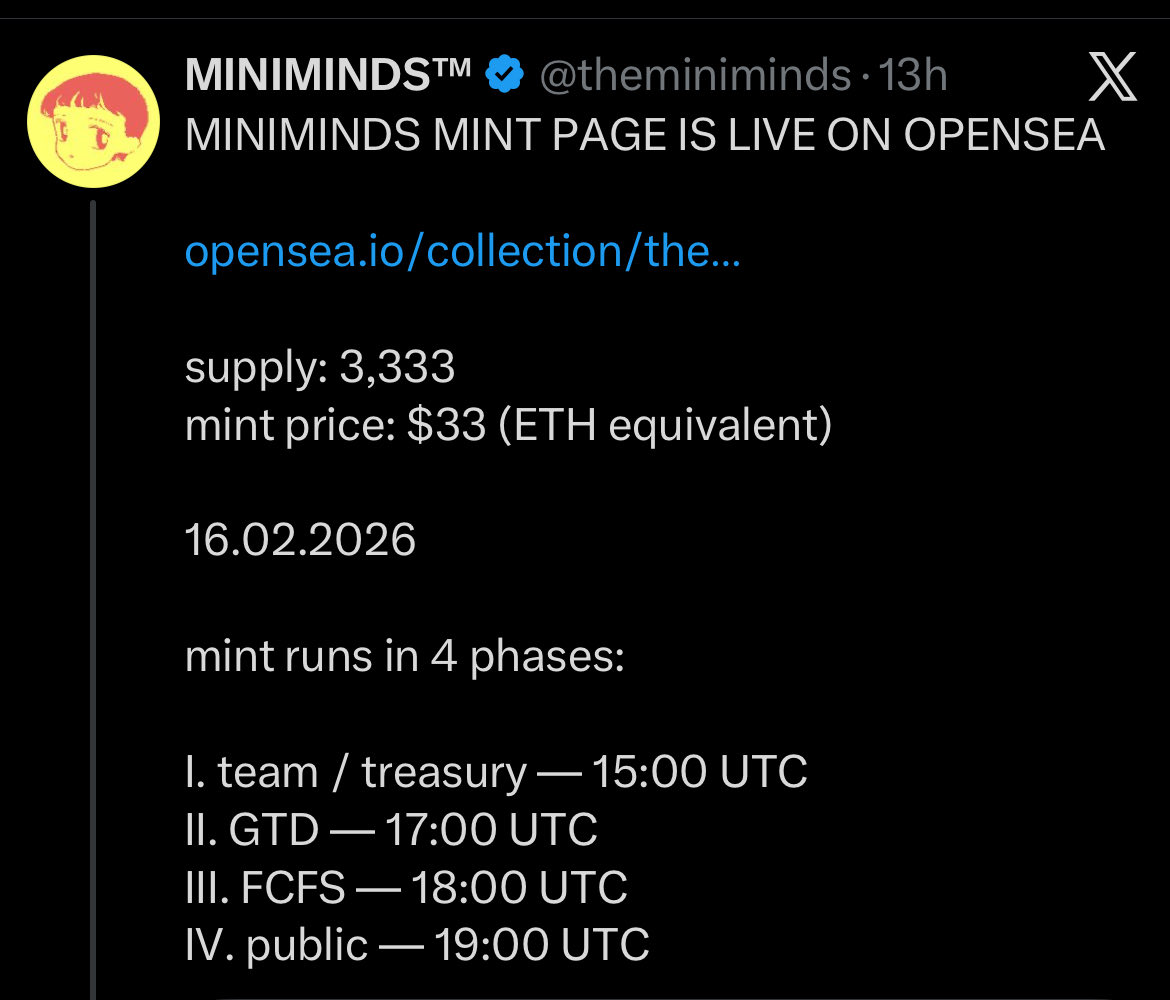
MEV spam is another beast, gobbling 40% of Solana space and 50% on Ethereum L2s. High-frequency arbs flood with junk, hiking fees and negating scaling wins. Enter instant MEV auctions: bid for bundle sequencing instead of spamming. This pivots bots to bidding wars, reclaiming blockspace for real value. I've seen traders cut effective costs by 30% just by plugging into these.
Arming Traders with Tools Against Toxic Extraction
Protection starts with smart routing. Blockspace aggregators like MEV-Blocker let you pipe txs through private RPCs, shielding from front-running. For DEX and aggregator plays, anti-MEV mechanisms bundle with protectors, ensuring fair execution. But in modular ecosystems, it's auctions that truly level up MEV auctions modular blockchains.
Consider Flashbots Auction: permissionless, transparent, frontrunning-proof. It preserves Ethereum's ethos while boosting efficiency. Traders prioritizing latency might skip heavy protection, but for big bags, it's non-negotiable. Autonomous agents on-chain are even automating this, balancing speed and safety dynamically.
Check out how modular MEV auctions enhance transaction efficiency in DeFi blockspace markets for deeper dives. And as ETH sits at $2,002.73, timing these strategies right could mean capturing outsized value in the blockspace squeeze.
High-frequency traders are adapting fast, blending modular MEV strategies traders with real-time analytics from platforms like Modular MEV Auctions. These tools track auction dynamics, predict bundle inclusion rates, and flag toxic flows before you commit capital. In a market where ETH dipped to $1,998.57 today amid that -3.38% slide to $2,002.73, precision like this separates winners from the jammed mempool crowd.
Battle-Tested Strategies for 2026 Blockspace Wars
Want actionable plays? Start with intent aggregation. Submit your DEX swap or arb as an intent to an MEV orderflow marketplace, where modular auctions bundle it atomically with complementary flows. This slashes slippage - I've seen spreads tighten by 20 basis points on volatile pairs. For premium slots, bid in sealed auctions via Flashbots-inspired relays; it's permissionless, so even solo traders compete with whales.
Layer on Solana lessons from Jito: bundle your tx with MEV tips that redistribute value to sequencers. Ethereum's modular kin are iterating this for L2s, turning spam-heavy chains into efficient arenas. High-value trades? Prioritize private mempools over latency - bots can't sandwich what they can't see. Autonomous agents are emerging too, scanning auctions on-chain to auto-route your intents for max value.
Key MEV Auction Strategies for Ethereum Traders in 2026
| Strategy | Key Benefit | Pros | Cons | Impact at $2,002.73 ETH |
|---|---|---|---|---|
| Intent Bundling | 30% cost savings | ✅ Reduces per-transaction costs ✅ Bundles intents for atomic execution | ❌ Requires compatible aggregators ❌ Limited intent support | Saves ~$600.82 (30% of $2,002.73) per ETH trade amid -3.38% dip |
| Sealed-Bid Premium Slots | Slippage reduction | ✅ Counters sandwich attacks ✅ Predictable pricing via auctions | ❌ Higher bid costs ❌ Intense competition | Minimizes slippage losses, preserving trade value at $2,002.73 ETH price |
| Private RPC Routing | Anti-frontrun protection | ✅ Bypasses public mempool ✅ Routes via Flashbots Protect RPC | ❌ Relies on trusted providers ❌ Possible added latency | Protects against MEV bots, securing positions in volatile $2,002.73 ETH market |
Diversify across modular stacks. Route L2 intents through shared sequencers auctioning blockspace rights - it's like a stock exchange for tx ordering. At current levels, with 24h highs at $2,096.75, these setups let you capture MEV without the full builder stack. Check how modular MEV auctions solve latency games and blockspace spam; it's reshaping DeFi for the better.
The Road Ahead: Fairer, Faster MEV Markets
By 2026, expect ePBS tweaks to balance proposer rewards, paired with SUAVE's encrypted auctions decentralizing everything. Modular blockchains will dominate, offloading execution to specialized lanes while mainnet handles settlement. Traders win with blockchain transaction optimization auctions that minimize negative externalities - less spam, tighter fees, broader access.
MEV spam's days are numbered as instant auctions force bots to bid smart, not flood. Platforms are rolling out dashboards for real-time bid tracking, slippage forecasts, and even AI-tuned intents. Ethereum at $2,002.73 feels the ripple: lower effective costs mean more capital chasing yield, fueling the next leg up.
Flashbots Auction is a permissionless, transparent, and fair ecosystem for efficient MEV extraction and frontrunning protection.

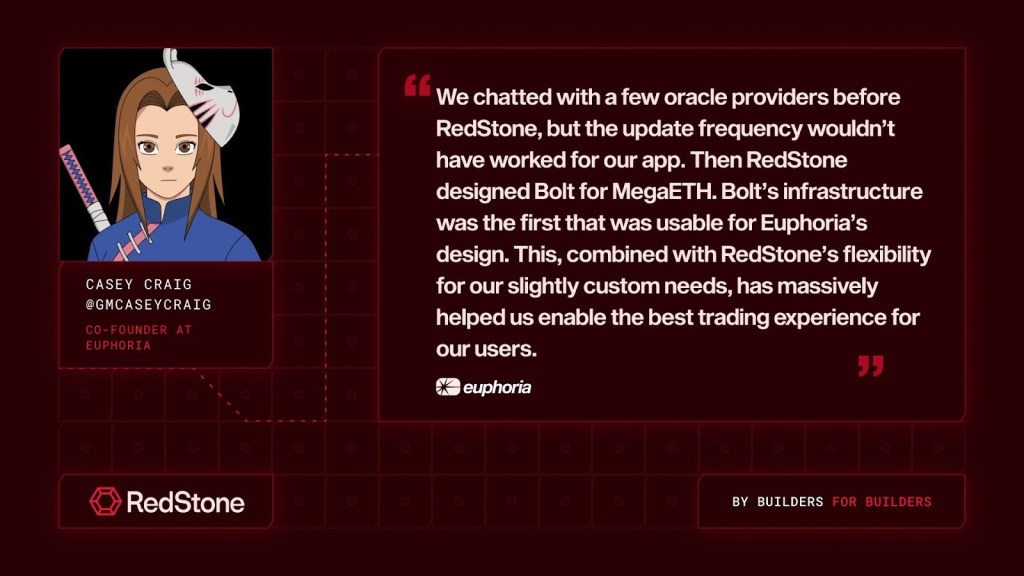


Protect yourself today: plug into MEV-Share endpoints, bundle via aggregators, and auction-hunt premium space. The edge goes to those who treat blockspace like a market, not a race. Modular MEV is democratizing this space, handing tools once reserved for quants to everyday Ethereum traders navigating 2026's squeeze.
Platforms like Modular MEV Auctions lead with analytics that spotlight these opportunities, from bundle success rates to spam-filtered orderflow. Dive into instant MEV auctions solving toxic mempool extraction, and position for the modular future where your tx executes optimally, every time.




No comments yet. Be the first to share your thoughts!