
Defining modular MEV in the current stack
Modular MEV represents a structural shift in how value is extracted from blockchain transactions. Unlike legacy monolithic MEV, which treats execution, settlement, and data availability as a single bundled process, modular MEV decouples these functions. This separation allows searchers to optimize for specific layers, creating a more complex but potentially more efficient extraction environment.
In a monolithic stack, the same entity often handles block production, transaction ordering, and final settlement. This creates a bottleneck where the cost of execution is tied directly to the security and data availability of the base layer. Modular MEV disrupts this by allowing execution to happen on high-throughput Layer-2 rollups, while settlement and data availability remain on robust Layer-1 chains like Ethereum.
This architecture changes the competitive landscape for searchers. As noted in technical analyses from Maven 11, the focus shifts from raw block space competition to the "matureness of your execution environment." In a modular world, the ability to process transactions across different chains and manage cross-domain state transitions becomes the primary determinant of MEV extraction success. The value is no longer just in being first; it is in being able to operate efficiently across a fragmented, multi-layered ecosystem.
"In a modular world, our thesis is the matureness of your execution environment."
The implications for 2026 are significant. As Layer-2 solutions mature, the complexity of arbitrage and execution strategies will increase. Searchers must now account for finality delays, cross-chain messaging, and varying data availability guarantees. This requires more sophisticated tooling and a deeper understanding of the underlying modular infrastructure.
Finality actors and cross-domain opportunities
The modular stack separates execution, settlement, and data availability, creating distinct finality layers that act as arbitrage surfaces. In 2026, the latency between these layers is a tradable spread. When a transaction is included on a Layer-2 (L2) but not yet finalized on its underlying data availability (DA) or execution layer, a window opens for cross-domain extraction.
Maven 11 highlights that mature execution environments must account for these inter-chain effects. If a transaction on Chain A causes a price shift on Chain B, the arbitrage opportunity exists in the gap between Chain A’s block inclusion and Chain B’s price update. This is not simple triangular arbitrage; it is a latency-based game where the "finality actor" (the sequencer, the DA layer, or the L1 bridge) determines the size of the extractable value.
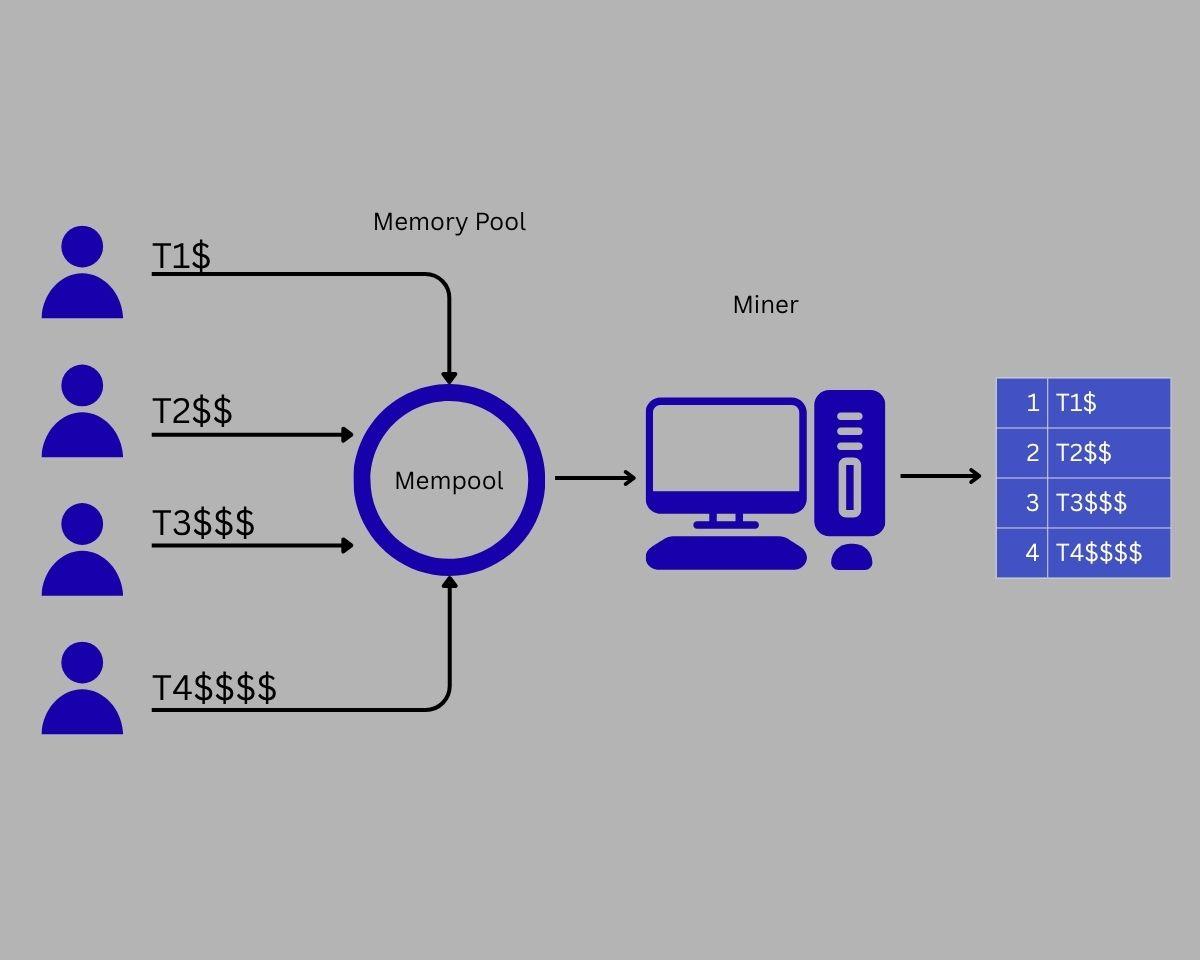
This dynamic shifts the competitive edge from pure computational speed to infrastructure positioning. Searchers who can predict how L2 sequencers order transactions relative to L1 finality can front-run or back-run cross-domain effects. As Celestia Forum research notes, decentralized sequencers on the DA layer introduce new ordering variables, potentially widening these finality gaps and creating more volatile, yet profitable, arbitrage surfaces.
Layer-2 Arbitrage Strategies for 2026
The migration of MEV extraction to Layer-2 networks has shifted the competitive landscape from brute-force gas wars to sophisticated sequencing and ordering strategies. In 2026, modular MEV is about controlling the micro-structure of the block itself. Searchers now operate in an environment where the sequencer is the primary gatekeeper, and arbitrageurs must adapt to new mechanics like DEX optimization and cross-rollup liquidity fragmentation.
Sequencer Ordering and Private Transactions
The most significant change in Layer-2 arbitrage is the reliance on private transaction bundles. Unlike Ethereum mainnet, where transactions are broadcast to a public mempool, many L2s use private order flow or encrypted mempools to hide intent until inclusion. This forces searchers to build direct relationships with sequencers or use specialized relay networks that guarantee inclusion without front-running. The value proposition has shifted from speed to certainty; a searcher who can guarantee their arbitrage bundle is included in the next block, without being displaced by a competitor, captures the spread.
DEX Optimization and Cross-Layer Liquidity
Arbitrageurs now specialize in optimizing for specific decentralized exchange (DEX) mechanics, such as concentrated liquidity pools on Uniswap V3 or automated market makers with unique fee tiers. The modularity of the stack means liquidity is often fragmented across multiple L2s. A successful strategy involves monitoring price oracles across these layers to identify inefficiencies that persist for milliseconds. By leveraging fast finality, searchers can execute triangular arbitrage or spatial arbitrage across chains before the broader market adjusts. This requires low-latency infrastructure and smart contracts that can interact with multiple bridges and DEXs in a single atomic transaction.

The Modular Plugin Approach
As highlighted by recent innovations from firms like Reflex and Algebra Integral, MEV protection is increasingly being deployed as a modular plugin. This allows DEXs to integrate MEV-resistant features without rewriting their core logic. For searchers, this means the landscape is becoming more complex; strategies that relied on public mempool visibility are being systematically blocked by these plugins. The new edge lies in understanding these plugins' mechanics and finding gaps where value can still be extracted ethically, such as providing liquidity or hedging risk for the protocol itself.
Checklist for Evaluating L2 Environments
To navigate this evolving landscape, searchers should evaluate new L2 environments using the following criteria:
- Sequencer Decentralization: Assess whether the sequencer is centralized or if there are mechanisms for transaction ordering transparency.
- Private Order Flow Availability: Determine if the L2 supports private mempool or encrypted transaction bundles to protect arbitrage strategies.
- Liquidity Fragmentation: Analyze how liquidity is distributed across different DEXs and bridges on the L2 to identify arbitrage opportunities.
- MEV Protection Plugins: Check if the L2 or its DEXs have integrated MEV-resistant plugins that might block traditional extraction strategies.
- Finality Time: Evaluate the speed of block finality, as faster finality reduces the window for competitors to displace your trades.
Community perspectives on modular MEV
The shift toward modular execution has reignited debate over who captures value in the stack. Developers and traders are increasingly focused on whether decentralized sequencing can mitigate the centralization risks inherent in rollup monopolies. The core tension lies in balancing execution efficiency with the fairness of transaction ordering.
"MEV on the actual data layer itself if the rollup is constructed to have a decentralized set of sequencers, allowing the rollup to order the..."
— Celestia Forum Research
This perspective highlights a structural solution: moving sequencing power away from single actors to the data availability layer. By decentralizing the sequencer set, modular stacks aim to reduce the extractable value available to malicious searchers while maintaining throughput. The community views this as a necessary evolution for sustainable L2 economics.
Technical discussions on platforms like r/ethfinance and Celestia forums often center on the trade-offs of this architecture. While decentralized sequencing improves censorship resistance, it introduces latency and complexity that can impact arbitrage opportunities. Traders are adapting their strategies to account for these new execution constraints, focusing on order-flow prediction rather than simple block reordering.
No comments yet. Be the first to share your thoughts!