
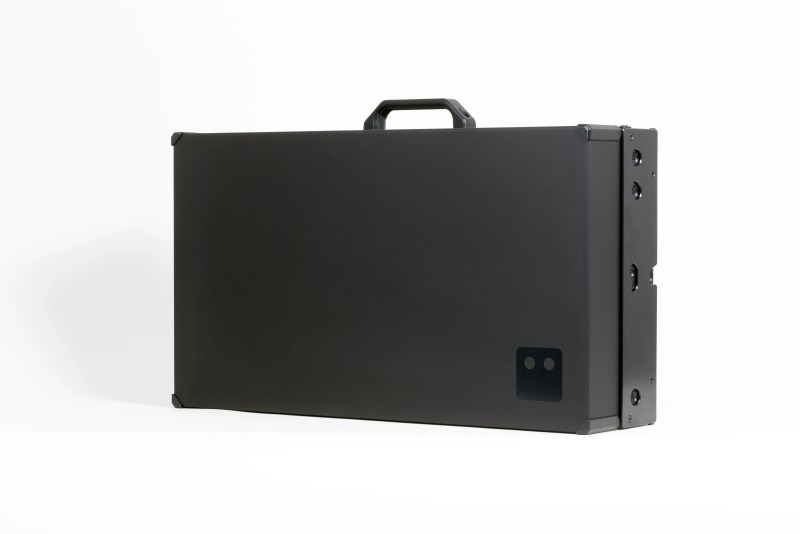
Choosing your modular format
The first decision in building a modular synthesizer system is picking the physical format. This choice dictates your expansion path, available patch cables, and the physical footprint of your studio. The three main contenders are Eurorack, 5U, and all-in-one desktop systems. Each serves a different type of musician, from the space-constrained apartment dweller to the studio engineer with a dedicated rack.
Eurorack: The Standard for Expansion
Eurorack is the dominant format in the modular world, defined by its 3U height and 5.25mm pitch. Its popularity stems from its modularity; you can build a system that is only one rack wide or stretch across an entire wall. This format offers the widest selection of modules from hundreds of manufacturers, including giants like Mutable Instruments and Doepfer.
The trade-off is complexity. Eurorack requires a separate power supply, a rack case, and a significant number of patch cables. It is not a "plug and play" experience. You are essentially building your own instrument. However, this flexibility makes it the best choice for those who view synthesis as an evolving hobby rather than a fixed setup.
5U: The Vintage Powerhouse
5U is the older, larger standard used by classic synthesizers from Moog and Oberheim in the 1970s. The modules are physically larger, with a 3U height but a much wider 19-inch rack width. This format is often preferred by collectors of vintage gear or those who want the tactile feel of large knobs and switches.
While 5U systems are robust and visually striking, they are less flexible than Eurorack. The selection of new modules is smaller, and the physical size makes them difficult to transport. If you are drawn to the aesthetic and sound of classic analog hardware, 5U remains a compelling, albeit niche, option.
Desktop Systems: All-in-One Simplicity
All-in-one desktop systems, such as the Mutable Instruments Blades or the Make Noise MATHS, offer a pre-configured solution. These units come with their own power supply, case, and a curated set of modules installed. They are designed to be placed on a desk and connected directly to your computer or audio interface.
This format is ideal for beginners or those with limited space. There is no need to manage patch cables for internal routing or worry about power distribution. The downsides are limited expansion and higher cost per module. You are buying a complete package, which means you are locked into the specific modules included in the unit.
Best Eurorack starter kits
Eurorack is the most popular modular synthesizer format, but building a system from scratch can feel overwhelming. A starter kit simplifies the process by bundling the essential components: a case, a power supply unit (PSU), and a selection of modules. This approach lowers the barrier to entry, allowing you to start patching cables and exploring sound design immediately without worrying about compatibility or cable management.
When choosing a kit, look for bundles that include a reliable power supply and a case with enough space for future expansion. Many kits also include a utility module, such as a mixer or clock source, which are necessary for making any modular system function. Some manufacturers offer curated bundles with specific sonic palettes, such as analog oscillators and filters, while others provide a more general-purpose selection of oscillators, VCA, and envelope generators.
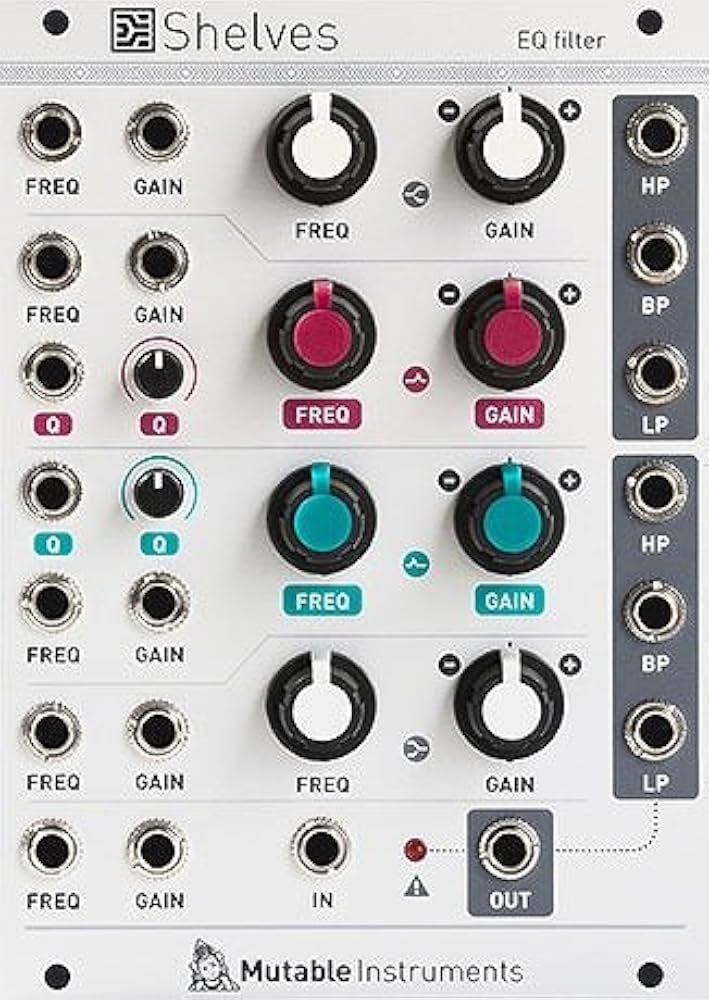
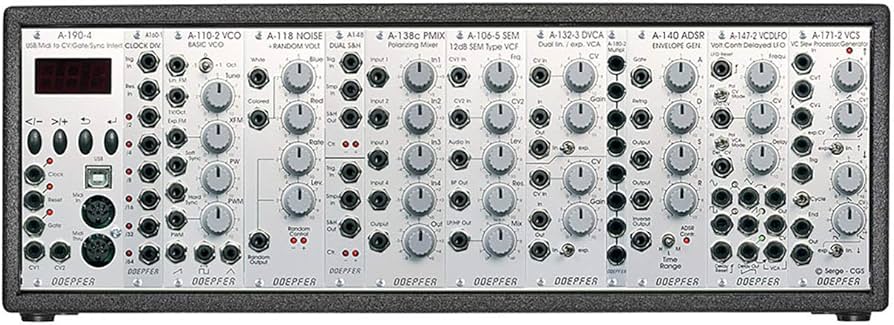
Below are some of the most popular Eurorack starter kits available on Amazon. These selections represent a mix of beginner-friendly bundles and individual module sets that can be combined to create a functional system.


As an Amazon Associate, we may earn from qualifying purchases.
Best desktop modular systems
Desktop modular synthesizers bridge the gap between Eurorack flexibility and outboard simplicity. These self-contained units pack power supplies, patch bays, and often integrated sequencers into a single, transportable chassis. They eliminate the need for external power bricks and complex internal cabling, allowing you to experiment with modular sound design without building a dedicated studio rack.
The best desktop systems prioritize workflow efficiency. Instead of patching every signal manually, many include built-in routing matrices or sequencers that handle repetitive tasks. This makes them ideal for live performance or quick sketching, where setup time matters as much as sound quality.
Behringer Neutron
The Behringer Neutron is a four-voice analog polyphonic synthesizer that functions as a complete desktop modular environment. It features a dedicated power supply and patch bay, offering the classic Moog-style ladder filter and a robust sequencer. It is an excellent entry point for those who want analog warmth without the Eurorack learning curve.
Mutable Instruments Stria
For a more experimental approach, the Mutable Instruments Stria offers a unique grid-based sequencer and voice architecture. It is designed for generative composition and complex texture layering. The unit is compact but powerful, featuring a distinctive interface that encourages exploration over preset browsing.
Korg Volca Modular
The Korg Volca Modular is a compact, battery-powered desktop modular that fits in a jacket pocket. Despite its size, it includes a full set of analog VCOs, filters, and effects. It is perfect for portable sound design and field recording, offering immediate access to modular synthesis without any setup.


As an Amazon Associate, we may earn from qualifying purchases.
| Model | Voices | Power | Sequencer |
|---|---|---|---|
| Behringer Neutron | 4 | External Adapter | Yes |
| Mutable Instruments Stria | 8 | External Adapter | Grid-based |
| Korg Volca Modular | Mono | Battery / USB | No |
Essential accessories and cables
The price of the modules is only half the story. A functional modular synthesizer requires a supporting infrastructure of power distribution, signal routing, and physical organization. Without these, your system is just a collection of expensive metal boxes.
Patch cables
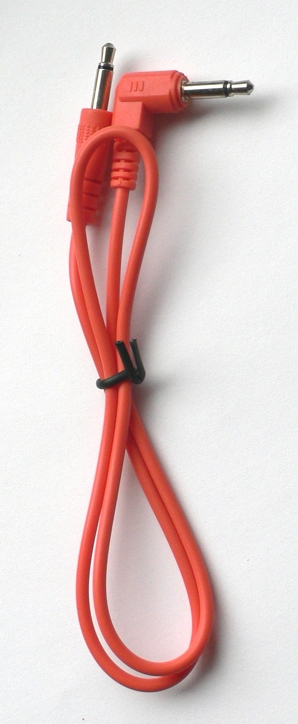
Patch cables are the veins of your modular system. They carry audio and control voltages between modules. Cheap cables introduce noise, crosstalk, and intermittent connections that ruin the sound. Invest in high-quality, shielded cables with tight-fitting plugs.

As an Amazon Associate, we may earn from qualifying purchases.
Power supplies
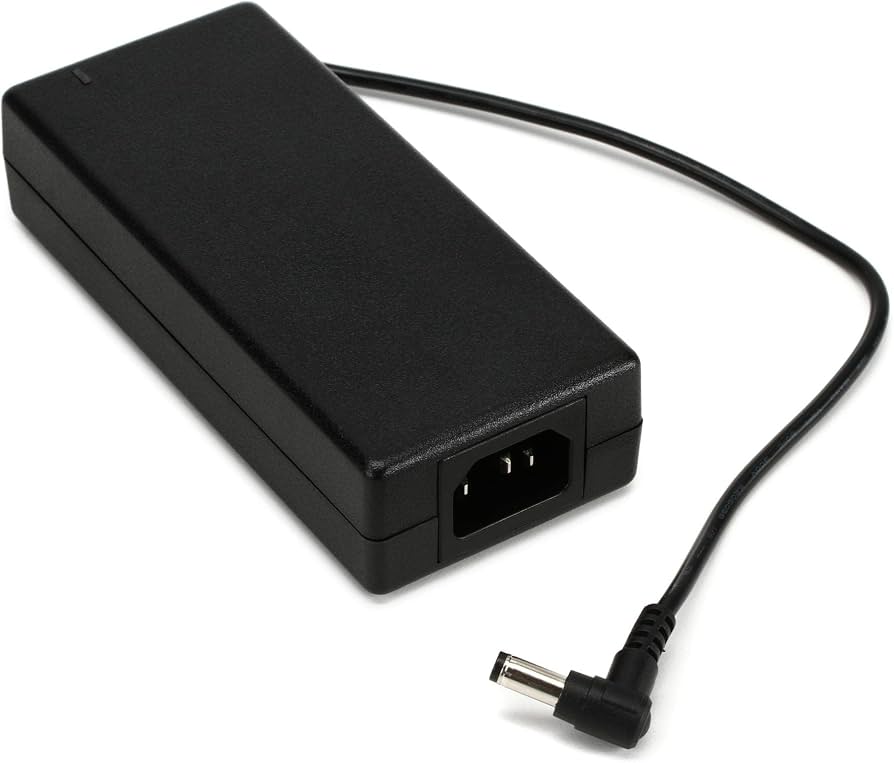
Every Eurorack module draws power from a central supply. The standard is the 10-pin Molex connector, but not all power supplies are created equal. A noisy or unstable power supply can cause modules to behave erratically, generate hum, or even suffer damage. Look for supplies with good ripple rejection and sufficient amperage for your total bus load.
Rack cases
Your rack case is the skeleton that holds everything together. It must be sturdy enough to support the weight of your modules without flexing, which can damage connectors. It also needs to provide adequate ventilation and cable management space. A well-chosen case makes setup and teardown quick, while a flimsy one turns every session into a struggle.


No comments yet. Be the first to share your thoughts!