
Why modular MEV 2026 matters now
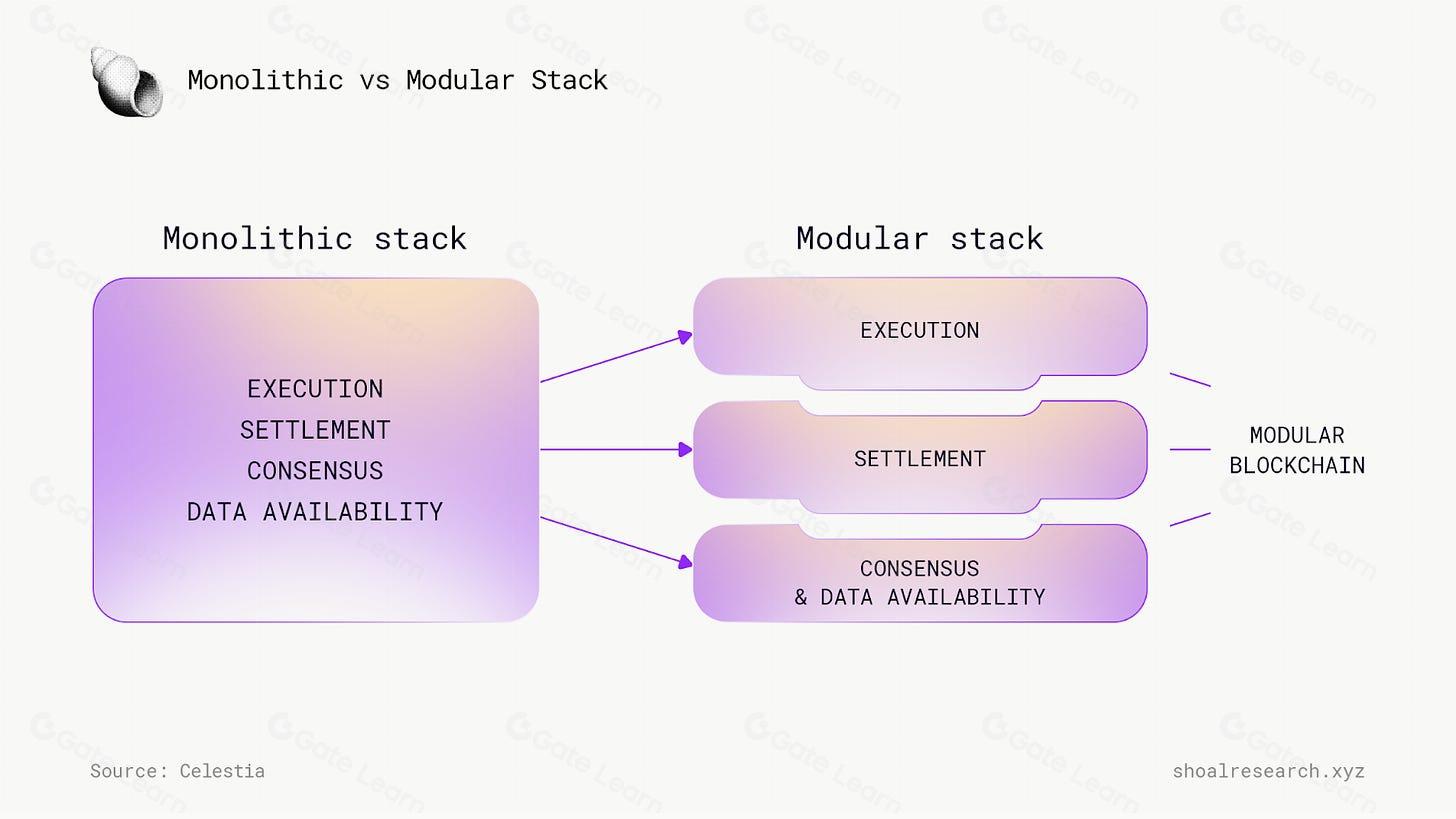
The landscape of Maximum Extractable Value (MEV) is undergoing a fundamental structural shift. In previous cycles, builders relied on monolithic extraction engines—single, heavy software stacks that attempted to handle every aspect of block construction, from transaction selection to payload delivery. While these unified systems offered simplicity, they introduced significant latency bottlenecks and single points of failure. As blockchain networks grow more complex and cross-chain interoperability becomes a necessity, the rigid architecture of monolithic tools is no longer sufficient for competitive block building.
The move toward modular MEV infrastructure is driven by the need for interoperability and specialized performance. By decoupling the search space from the ordering engine and the payload builder, teams can assemble custom stacks that target specific market opportunities. This modularity enables builders to react faster to network changes, integrate new consensus mechanisms, and manage risk more effectively across different chains. Specialized infrastructure components allow for greater flexibility, ensuring that each part of the MEV pipeline operates at peak efficiency without being held back by unrelated constraints.
For 2026 block builders, adopting a modular approach is no longer optional; it is a competitive requirement. The tools that will dominate the market are those that offer seamless integration between specialized components, allowing builders to scale their operations and adapt to new blockchain environments with minimal friction. This shift prioritizes concrete infrastructure capabilities over abstract theoretical models, focusing on measurable improvements in speed, reliability, and cross-chain reach.
Top interoperable block building stacks
The modular MEV landscape has shifted from monolithic builders to specialized, interoperable stacks. These tools allow builders to optimize for specific chains while maintaining cross-chain consistency. The following providers lead in cross-chain extraction and builder incentives, offering the infrastructure necessary for complex, multi-chain operations.
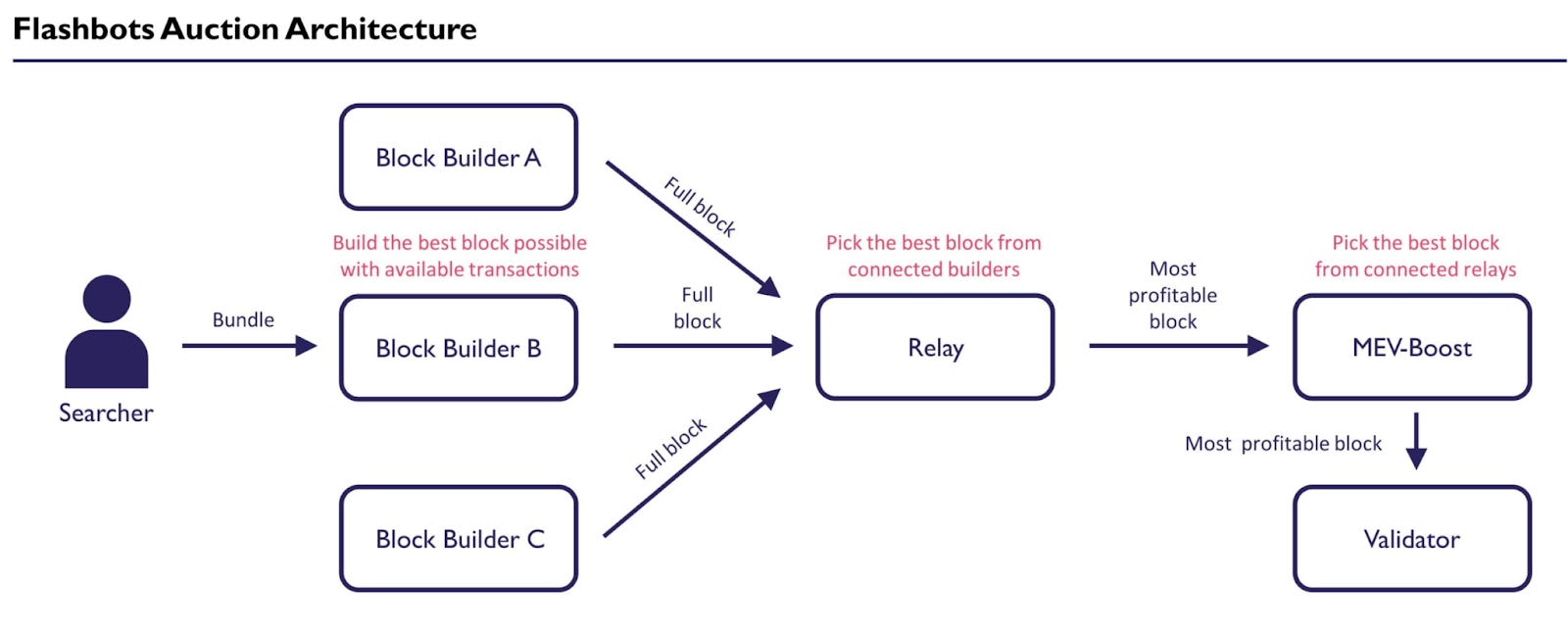
Flashbots
Flashbots remains the dominant force in Ethereum MEV, providing the most robust infrastructure for block building and transaction ordering. Their research-driven approach ensures that their tools align with network security and validator incentives. Flashbots is essential for builders prioritizing Ethereum mainnet stability and deep liquidity integration.
MEV-Boost
MEV-Boost serves as the critical bridge between validators and external block builders. By introducing a competitive auction mechanism, it ensures that validators receive the highest possible bids for their block space. This tool is foundational for any builder operating in a decentralized, multi-builder environment.
EigenPhi
EigenPhi specializes in cross-chain MEV data and analytics. Their platform provides visibility into MEV flows across multiple networks, allowing builders to identify arbitrage opportunities and optimize their extraction strategies. This data-driven approach is vital for builders operating in a multi-chain ecosystem.
Blocknative
Blocknative offers real-time transaction monitoring and transaction submission infrastructure. Their tools help builders track mempool activity and optimize transaction inclusion across various chains. This visibility is crucial for maintaining competitive advantage in fast-moving markets.
| Provider | Primary Focus | Supported Chains |
|---|---|---|
| Flashbots | Ethereum Block Building | Ethereum, L2s |
| MEV-Boost | Validator Auction Bridge | Ethereum, L2s |
| EigenPhi | Cross-Chain Analytics | Multi-Chain |
| Blocknative | Mempool Monitoring | Multi-Chain |
Cross-chain MEV extraction tools
Cross-chain MEV extraction addresses the fragmentation of liquidity across disparate blockchains. When assets move between chains, price discrepancies and bridge inefficiencies create arbitrage opportunities. However, executing these strategies requires infrastructure that can monitor multiple networks simultaneously while managing the latency inherent in cross-chain communication.
The primary challenge lies in finality and bridge security. Unlike single-chain MEV, where transaction ordering is the main variable, cross-chain MEV depends on the speed and reliability of bridges. Builders must select tools that offer low-latency monitoring of mempool events across Ethereum, Layer 2s, and alternative L1s. The goal is to capture value before the cross-chain state is finalized, often requiring sophisticated relayer networks.
Effective cross-chain tools typically integrate directly with bridge protocols or rely on decentralized oracle networks to verify state changes. This approach reduces the risk of reorgs or bridge exploits that can invalidate a trade. Infrastructure providers are increasingly offering modular components that allow searchers to plug into specific liquidity pools rather than building custom integrations for every chain.
For operators looking to build or customize these systems, having access to robust development hardware and specialized technical literature is essential. The following resources provide foundational knowledge and necessary computing power for setting up multi-chain node infrastructure.


As an Amazon Associate, we may earn from qualifying purchases.
Setting up your modular MEV stack
Integrating modular MEV infrastructure requires precise alignment between hardware capabilities and software configurations. Unlike monolithic setups, a modular stack demands rigorous attention to network latency and inter-process communication. The goal is to minimize the time between block production and transaction inclusion across distinct nodes.
Hardware Requirements
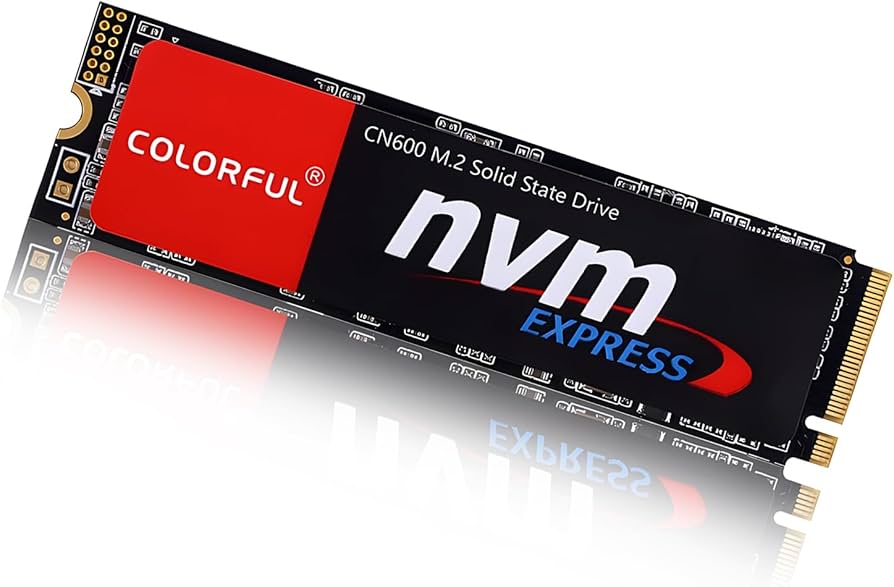
A robust MEV node relies on low-latency networking and high-throughput storage. NVMe SSDs are essential for handling the rapid write operations of mempool monitoring. Dedicated network interfaces with high bandwidth reduce the risk of missing early transaction opportunities. Consider processors with high single-core performance to execute complex sorting algorithms efficiently.
Software Configuration
Configuration files must be optimized for speed. Disable unnecessary logging that consumes I/O resources. Ensure that RPC endpoints are configured for persistent connections to reduce handshake overhead. Regular updates to your node software are critical to maintain compatibility with the latest protocol changes and MEV-Boost specifications.
Network Connectivity
Proximity to validator nodes significantly impacts performance. Use dedicated lines or high-quality VPS providers located near major blockchain infrastructure hubs. Implement redundant internet connections to prevent downtime during critical block production windows. Test your latency regularly against multiple peers to ensure optimal routing.


As an Amazon Associate, we may earn from qualifying purchases.
Frequently asked questions about modular MEV infrastructure
Where is the World of Modular 2026? The 2026 World of Modular conference is hosted by the Modular Building Institute from April 20-23 at the Bellagio Hotel & Casino in Las Vegas. This event serves as a primary networking hub for industry professionals, though it focuses on construction logistics rather than blockchain MEV infrastructure.
What are the core components of modular MEV infrastructure? Modular MEV separates the extraction process into distinct layers: block building, transaction ordering, and searcher execution. This architecture allows operators to specialize in specific tasks, such as using high-performance GPUs for block construction while relying on separate networks for transaction sourcing.
How does modularity improve MEV efficiency? By decoupling components, teams can optimize individual parts of the pipeline without affecting the entire system. This separation reduces latency between transaction inclusion and block production, allowing for more responsive strategies in competitive environments.
What tools are essential for building modular MEV systems? Essential tools include block builders like Flashbots, transaction mempool viewers, and custom execution clients. Operators typically combine these with high-frequency trading bots and dedicated networking hardware to maintain a competitive edge in block production.
No comments yet. Be the first to share your thoughts!