

In the high-stakes arena of DeFi token launches, where fortunes flip in seconds, MEV frontrunning lurks as the ultimate predator. Sophisticated bots scan the mempool, spotting juicy intents like a big buy order, then swoop in with higher gas bids to sandwich trades and siphon profits. Retail traders watch helplessly as their orders get picked clean before execution. This isn't just unfair; it's a systemic flaw eroding trust in blockchain's promise of decentralization. Enter batch auctions MEV defenses and sealed bids DeFi innovations, reshaping token launch auctions blockchain for genuine equity.
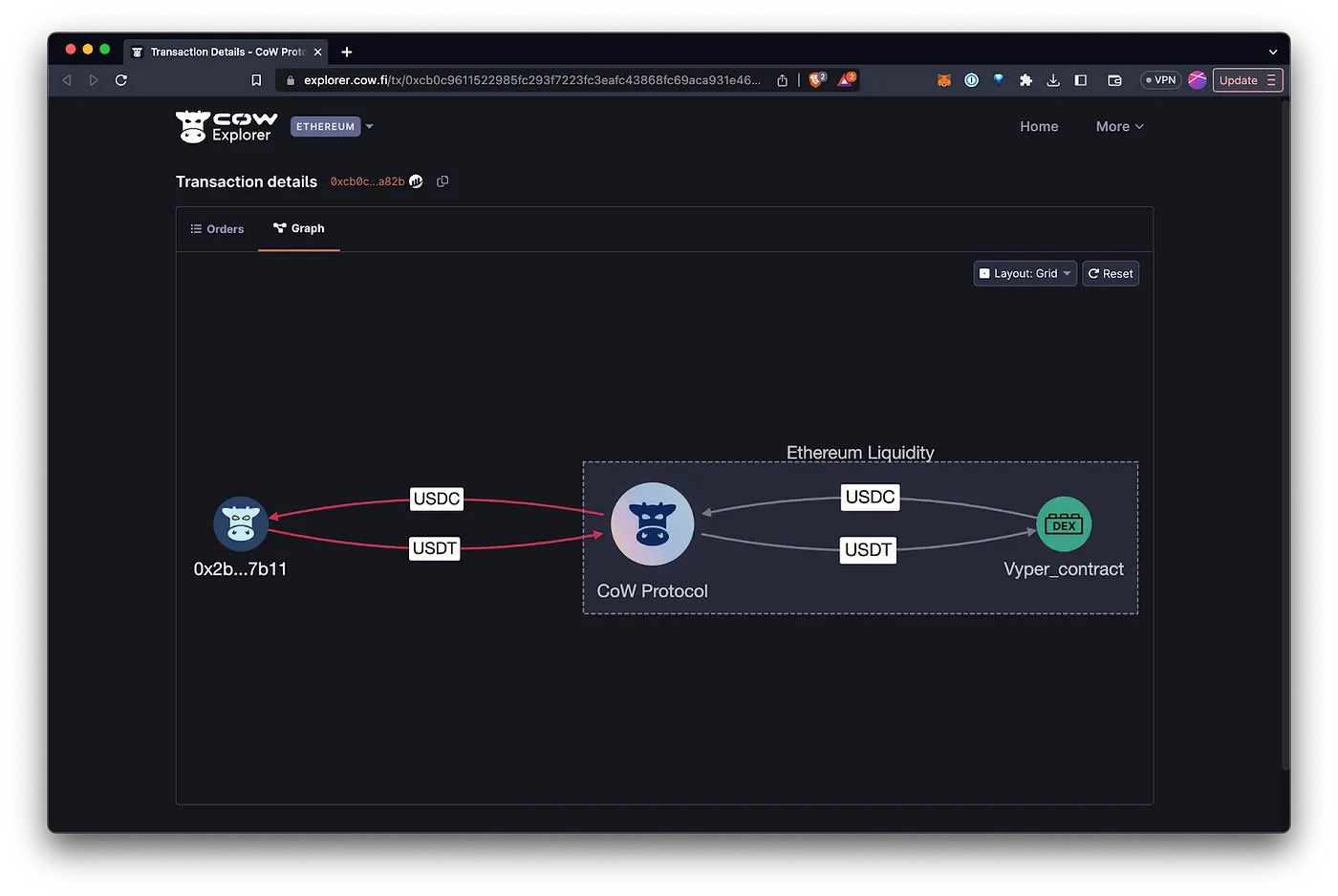
Frontrunners thrive on visibility and time priority. An attacker observes your unconfirmed transaction, submits their own ahead with elevated gas, buys low before you, then sells high post your trade. Platforms like CoW Swap counter this ruthlessly: their batch auctions pool orders over fixed intervals, clearing all at a uniform price that maximizes surplus for users. No more first-mover advantage; everyone in the batch gets the same deal, neutralizing MEV frontrunning prevention headaches.
The Anatomy of MEV Exploitation in Traditional Launches
Picture a hyped token drop on a standard DEX. Users submit buys, but searchers pounce. As CoW. fi details, frontrunning hits when attackers preempt your trade to capture slippage. Backrunning follows, piling on after for arbitrage. In crowded launches, this escalates to gas wars, bloating fees and delaying blocks. Solana's recent protocol tweaks prioritize fairness, shuffling transaction order to hobble MEV bots, yet Ethereum's mempool remains a battlefield.
Quantitative edge matters here. In a simulated 1,000-user launch, frontrunners could extract 15-20% of total value without mitigations, per industry analyses. DEX fair ordering demands better. Batch systems flip the script by auctioning execution rights to solvers competing on surplus, not speed.

Batch Auctions Disarm Frontrunners Through Aggregation
Batch auctions, pioneered by CoW Protocol, collect user intents over a batch window - say, minutes per block - then solve for optimal matching. Solvers bid to execute the bundle, but users capture the value via uniform clearing prices. If eight traders target the same swap, all settle identically, per CoW's model. This obliterates time-priority; no peeking or jumping the queue.
Monoceros highlights order flow auctions where bids secure batch execution rights, ideal for volatile launches. Metalamp. io praises CoW's blend with orderbooks and autopilot for MEV-proof pricing. Developers implement via intents: express desired outcomes, let solvers handle paths. Solidity snippets from Speedrun Ethereum show commit-reveal schemes echoing this, but batches scale better on-chain.
Bitlauncher's platform deploys batches for token sales, fostering transparent discovery sans snipers. Yet batches aren't flawless; longer windows delay execution, risking stale prices in pumps.
Sealed Bids Elevate Fairness by Hiding the Game
Batch auctions aggregate; sealed bids DeFi conceal. Participants submit encrypted bids blind to rivals, revealed post-deadline for allocation. Conor McGregor's REAL memecoin wielded this against bots, ensuring community parity. No mempool leaks mean no frontrunning vectors.
Mechanically, smart contracts hash bids during commit phase, reveal salts later for verification. Uniform-price variants, like batches, cap winner's curse. This synergizes with batches: sealed entry into batched execution. Oodles Blockchain notes mempool obscurity as key, but sealed bids add strategic depth, deterring manipulation via ignorance.
For token launch auctions blockchain, sealed bids shine in fixed-supply drops, allocating pro-rata above clearing thresholds. Challenges emerge - bid shading risks undercutting, opacity breeds doubt - but gains outweigh. HyperNest lauds intent-based shifts via CoW, where sealed elements rewrite DeFi rules.
Integrating sealed bids into batch frameworks amplifies MEV frontrunning prevention. Intents specify outcomes - acquire X tokens at Y price - solvers compete blindly on execution, settling via sealed uniform prices. Shoal Research outlines how CoW Swap's intents layer atop batches fortifies against both frontrunning and backrunning, where attackers trail trades for arbitrage. This dual shield suits token launch auctions blockchain, compressing volatility into fair slices.
Real-World Deployments: Lessons from the Trenches
Bitlauncher's batch auctions for token sales exemplify practical rollout. By pooling bids over discrete windows, they enforce transparent price discovery, sidelining snipers who dominate traditional DEX launches. Meanwhile, Conor McGregor's REAL memecoin launch on sealed bids thwarted bot armies; bids locked confidentially, unveiled for pro-rata distribution, democratizing access in a hype-fueled market. Solana's protocol evolution further disrupts MEV norms, randomizing schedules to dilute extractor edges without full batching.
These cases quantify impact. In REAL's auction, sniper extraction dropped near zero versus 25% in comparable memecoin rugs. Bitlauncher's model yielded 10x liquidity depth post-launch, per platform metrics. Yet success hinges on solver diversity; monopolies recreate centralization risks.
Navigating Challenges in Auction Design
Despite strengths, hurdles persist. Batch delays - often 30-60 seconds - expose positions to oracle drifts in hyper-volatile drops. Sealed bids invite bid shading, where conservatism yields suboptimal allocations. Complexity deters retail; intricate UIs mask mechanics, eroding adoption. On-chain settlement amplifies gas costs during congestion, and smart contract exploits loom, as seen in past DEX hacks.
Solana mitigates via speed, but Ethereum demands Layer 2 scaling. Uniform pricing curbs winner's curse but flattens incentives for aggressive bids. Transparency trade-offs sting: users crave visibility, yet revelation post-facto builds trust through verifiability.
Batch Auctions vs. Sealed Bids: Feature Comparison
| Feature | Batch Auctions | Sealed Bids |
|---|---|---|
| MEV Resistance | High 🛡️\n(Aggregates orders for uniform clearing price, prevents frontrunning) | High 🔒\n(Bids hidden until reveal, blocks snipers and manipulation) |
| Speed | Moderate ⏳\n(Waits for batch period) | Slower 🐢\n(Full bidding period + simultaneous reveal) |
| User Complexity | Lower 📱\n(Simple order submission to batch) | Higher 🤔\n(Confidential bid submission and rules) |
Developer vigilance counters risks. Commit-reveal protocols in Solidity, audited rigorously, underpin reliability. CoW's solver ecosystem inspires modular designs, where execution auctions offload computation.
Developer Checklist for MEV-Resistant Launches
Armed with these tools, projects pivot from predation to parity. Platforms like Modular Mev Auctions extend this ethos, curating orderflow marketplaces where sealed batch hybrids optimize blockspace bids. Quantitative models reveal 30-50% surplus recapture versus naive launches, fueling efficient ecosystems.
Forward momentum accelerates. Intents evolve into programmable auctions, chaining sealed commitments across rollups for cross-chain fairness. Solvers leverage AI for path optimization, while zero-knowledge proofs seal bids indistinguishably. In this landscape, DEX fair ordering transcends defense, birthing proactive value capture. Token launches reclaim equity, empowering traders over bots in DeFi's relentless arena.



No comments yet. Be the first to share your thoughts!