
Why modular MEV matters in 2026
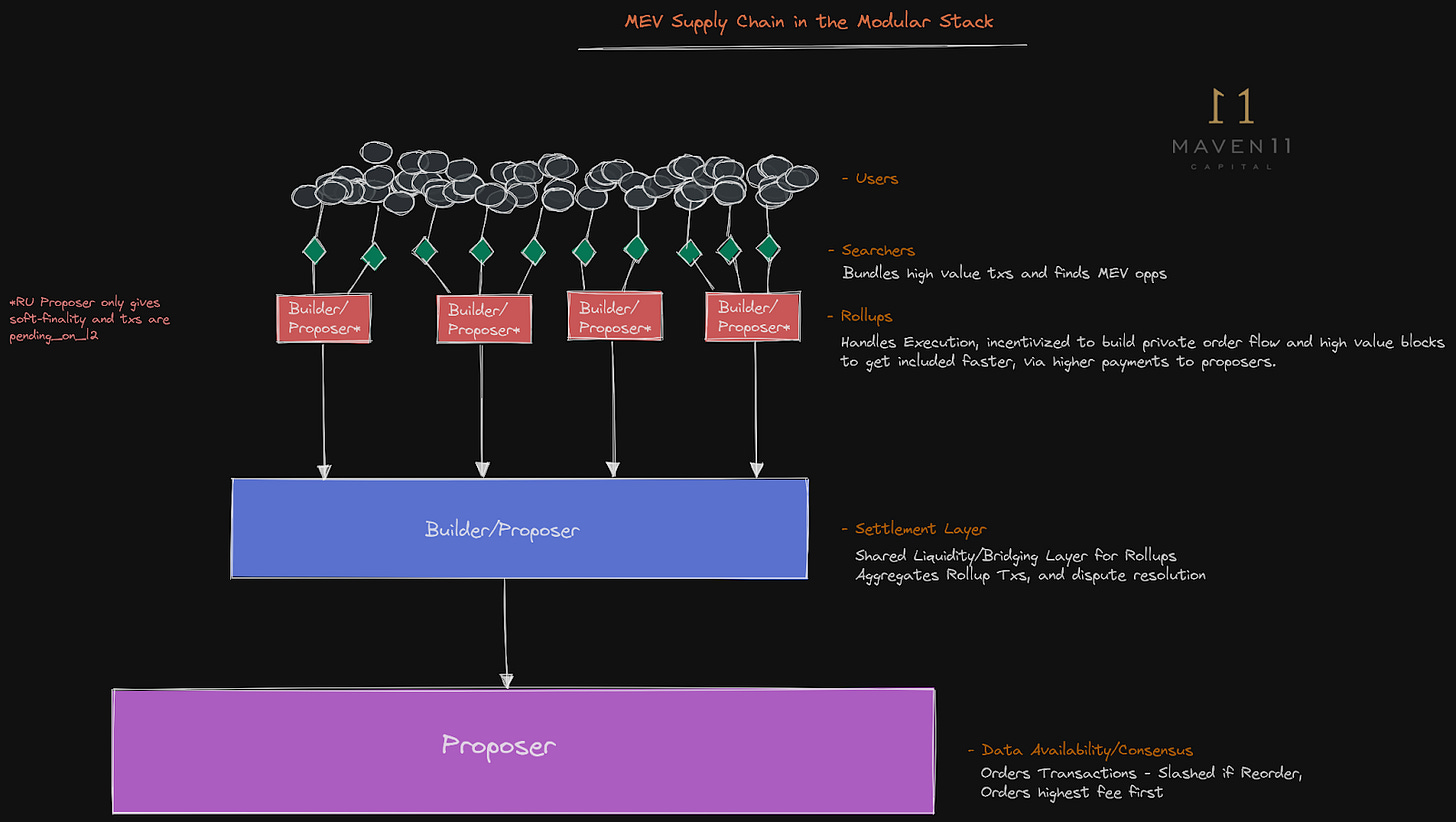
The era of monolithic MEV extraction is ending. For years, searchers competed for a single block-building slot, turning profit margins into a race to the bottom. In 2026, the architecture has shifted. Modular MEV separates the execution layer from the consensus layer, allowing searchers to optimize for specific rollup environments rather than fighting for generic block space on Ethereum mainnet.
This shift makes Layer-2 rollups the new frontier for profitability. Instead of one massive auction, MEV opportunities are distributed across Arbitrum, Optimism, Base, and zkSync. Each chain has its own mempool dynamics, transaction ordering rules, and latency requirements. Searchers can now build specialized stacks for each environment, capturing value that was previously lost to congestion or high gas fees on the L1.
The modular approach also reduces risk. By distributing extraction across multiple chains, searchers avoid the "single point of failure" problem of monolithic builders. If one rollup experiences a delay or a reorg, other parts of the stack continue to operate. This resilience is critical for high-frequency strategies that rely on consistent, low-latency execution.
Tools like Flashbots Protect and custom RPC providers are adapting to this new landscape. Searchers are no longer just bidding on blocks; they are routing transactions through specialized data feeds and order flow auctions. This complexity requires a deeper understanding of each rollup's technical specifics, from sequencer behavior to finality times. The winners in 2026 will be those who can build flexible, multi-chain extraction pipelines that adapt to the unique constraints of each Layer-2.
Leading L2 rollup stacks for searchers
The modular MEV landscape in 2026 is defined by Layer-2 rollups that offer distinct advantages for searcher infrastructure. While Ethereum mainnet remains the settlement layer, the actual execution and competition happen on L2s. These networks provide the throughput and low-cost environment necessary for high-frequency trading strategies. Choosing the right stack depends on transaction volume, gas efficiency, and the specific MEV opportunities available.
Arbitrum
Arbitrum dominates L2 volume with its optimistic rollup architecture and mature ecosystem. Searchers benefit from high throughput and a deep liquidity pool, making it ideal for complex arbitrage and liquidation strategies. The network’s low gas fees allow for dense transaction packing, which is critical for capturing value in fast-moving markets. Tooling like Arb-SDK and specialized mempool access points are widely adopted here.
Optimism
Optimism’s Superchain vision creates a cohesive environment for MEV extraction. Its sequential execution model simplifies ordering logic for searchers, reducing the complexity of front-running and sandwich attacks. The OP Stack’s modularity allows for custom L3s, expanding the attack surface for cross-domain MEV. Searchers often leverage the Optimism mempool for real-time transaction visibility.
Base
Built by Coinbase, Base has rapidly grown into a primary venue for consumer-facing DeFi MEV. Its strong integration with Coinbase’s infrastructure provides unique access to fiat on-ramp flows and retail trading data. The network’s low latency and high reliability make it attractive for strategies targeting high-volume token launches and social-driven trading events. Searchers are increasingly building specialized bots for Base-specific opportunities.
Comparison of L2 Stacks
The table below compares the key technical metrics for these leading rollups.
| Network | TPS | Avg Gas | MEV Density |
|---|---|---|---|
| Arbitrum | 4,000+ | Low | Very High |
| Optimism | 2,000+ | Low | High |
| Base | 1,500+ | Very Low | High |
MEV-Boost Alternatives for Rollups
MEV-Boost was built for monolithic Ethereum, but modular L2s operate on different latency and sequencing constraints. Rollups like Arbitrum and Optimism use their own sequencer logic, meaning the standard builder-relay pipeline often adds unnecessary overhead or conflicts with native transaction ordering. Searchers need tools that integrate directly with the L2's execution layer or operate in the data availability layer to capture value efficiently.
Proposer-Builder Separation (PBS) for L2s
Proposer-Builder Separation decouples block production from block building, allowing specialized builders to compete for the right to include transactions. On L2s, this often takes the form of a "sequencer auction" or a private relay. Instead of broadcasting transactions to the public mempool, searchers submit bundles directly to the L2 sequencer or a designated builder. This reduces latency and allows for more complex, cross-tx arbitrage that might be front-run in a public pool.
Data Availability Layer MEV
Some MEV extraction happens before the L2 even finalizes its state. By monitoring the DA layer (like Ethereum L1 blobs or Celestia), searchers can predict L2 transaction inclusion. Tools like EigenPhi or Blocknative provide real-time mempool analytics that help searchers identify high-value bundles before they hit the L2 sequencer. This "pre-MEV" allows for more accurate gas bidding and bundle submission, ensuring the transaction is included in the next L2 block without competing against slower, public-mempool bots.
Native L2 MEV Frameworks
Specific L2s have developed their own MEV infrastructure. Arbitrum uses a "Sequencer Inclusion Order” (SIO) model, where the sequencer itself acts as the primary MEV extractor. Searchers must interact with the Arbitrum sequencer directly or use specialized relays that understand SIO. Optimism is exploring "OP-Stack” specific PBS solutions that allow for private ordering sets. These frameworks prioritize fair sequencing and reduce the "winner’s curse" associated with public mempool auctions.
Custom Searcher Infrastructure
Generic MEV bots often fail on L2s because they don’t account for the specific gas token or state transition rules. Successful searchers build custom infrastructure that connects directly to the L2’s JSON-RPC endpoint. This allows for real-time state observation and instant bundle submission. Tools like Flashbots Protect are being adapted for L2s, but many top searchers run their own private relays to avoid censorship and ensure their bundles are included in the next block.

As an Amazon Associate, we may earn from qualifying purchases.
Cross-rollup infrastructure plays
Cross-rollup MEV strategies rely on high-speed messaging protocols to move value and data between isolated execution environments. Unlike single-chain arbitrage, these strategies exploit price discrepancies or liquidity gaps that span multiple Layer 2 networks. The core challenge is not just identifying the opportunity, but executing the cross-chain leg faster than the competition.
Hyperlane and LayerZero
Hyperlane provides a generic messaging layer that allows smart contracts on different rollups to communicate directly. This flexibility enables complex, multi-hop strategies where a searcher might front-run a trade on Arbitrum and settle on Optimism within the same transaction block sequence. LayerZero offers a similar omnichain interoperability protocol, often preferred for its established integration with major DeFi bridges. Both protocols introduce latency, so searchers must optimize their relayer nodes to minimize round-trip times.
CCIP and Chainlink
Chainlink’s Cross-Chain Interoperability Protocol (CCIP) is gaining traction for its security guarantees and integration with institutional-grade liquidity providers. For MEV bots, CCIP’s deterministic finality reduces the risk of failed cross-chain transactions, which is critical when dealing with large capital allocations. While slightly slower than Hyperlane’s raw messaging, CCIP’s reliability makes it the preferred choice for strategies involving high-value stablecoin transfers or institutional collateral moves.
The Latency Arms Race
The infrastructure layer is becoming a bottleneck. Searchers are increasingly investing in dedicated RPC nodes and co-located servers near bridge validators to shave milliseconds off their execution time. This arms race means that generic cross-rollup strategies are becoming less profitable unless they leverage proprietary infrastructure or niche liquidity pools that are not yet saturated by high-frequency traders.
Modular MEV Stack FAQs
These answers address specific technical questions about setting up and optimizing modular MEV searchers in 2026.
No comments yet. Be the first to share your thoughts!