
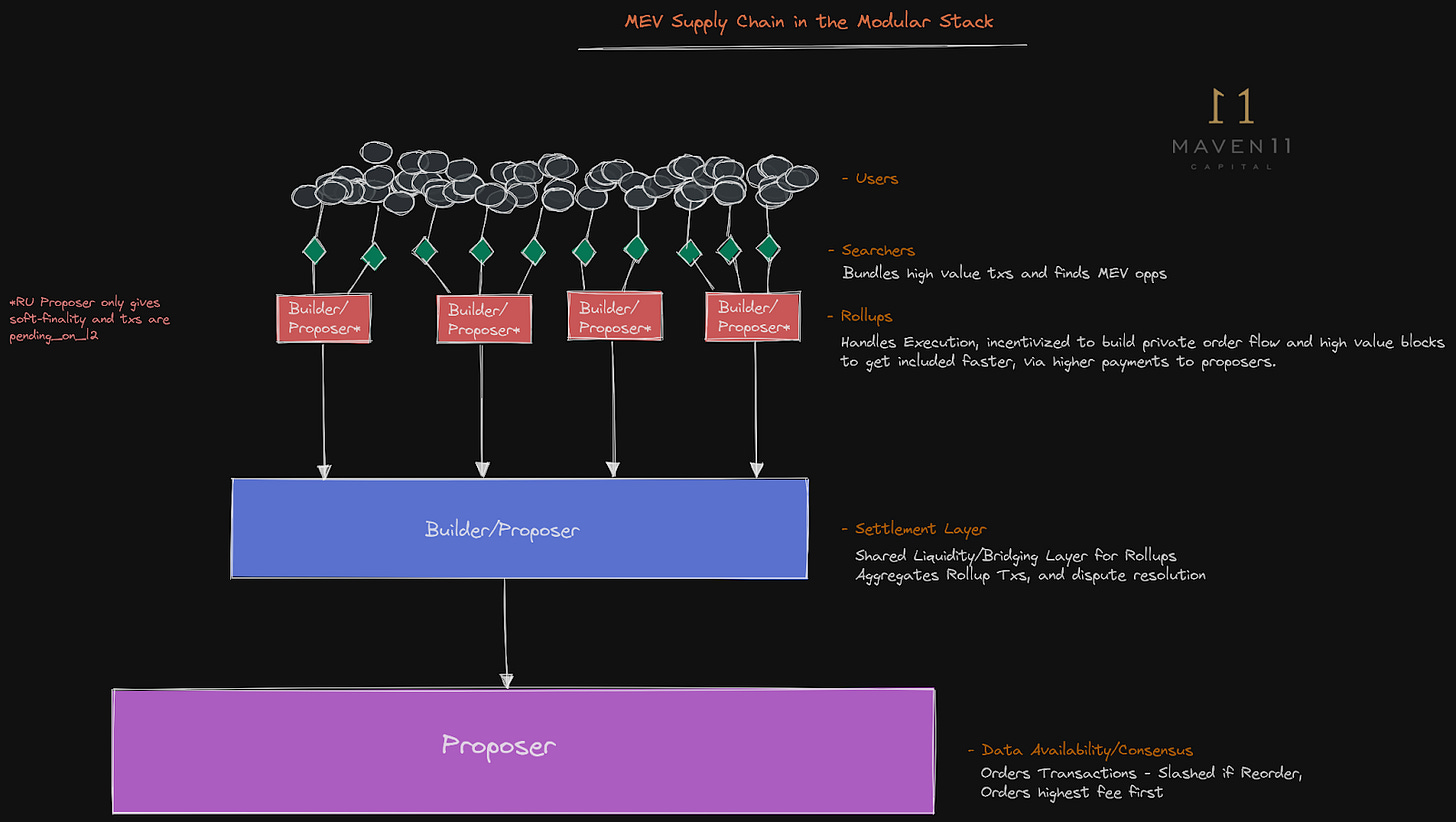
Choosing modular MEV tools
The landscape of maximal extractable value has shifted. In 2026, the era of monolithic, all-in-one solutions is fading. Profitability now depends on latency and precision. Searchers no longer rely on a single block builder. They assemble custom pipelines that connect directly to specific nodes, builders, and sequencers. This modularity allows teams to swap components without rebuilding their entire stack.
Selecting the right infrastructure requires focusing on three criteria: execution speed, data availability, and builder diversity. You need tools that minimize the time between signal and transaction. You also need access to multiple block builders to avoid single points of failure. Finally, your stack must handle the increased complexity of cross-chain MEV without adding latency.
We evaluate tools based on their ability to integrate seamlessly into this modular workflow. The best solutions offer clear APIs, reliable uptime, and direct connections to top-tier builders. Avoid platforms that force you into a rigid, closed ecosystem. The market rewards flexibility and speed. Focus on components that let you experiment and adapt quickly.
Top modular MEV platforms
The modular MEV landscape in 2026 has shifted from experimental testnets to specialized infrastructure. Builders no longer need to maintain a monolithic stack; instead, they can select best-in-class components for block building, transaction ordering, and data availability. This approach reduces latency and allows teams to scale specific parts of the pipeline without overhauling the entire system.
Selecting the right platform depends on your primary bottleneck. Some teams prioritize raw transaction throughput, while others focus on censorship resistance or cross-chain execution. Below, we evaluate the leading modular MEV products that define the current infrastructure layer.
Flashbots MEV-Boost
Flashbots MEV-Boost remains the standard for integrating searchers with block producers. It operates as a relay system that aggregates the most profitable transactions and delivers them to validators. For builders focused on Ethereum mainnet, this is the most reliable entry point for monetizing MEV opportunities. The infrastructure is battle-tested, handling millions of dollars in daily value.
The platform excels in decentralization and security. By separating the block builder role from the validator, it mitigates the risk of centralization in the consensus layer. Builders can plug into multiple relays to ensure their bundles are seen by the widest possible audience of validators.
SUAVE (Shared Universal Atomic Volume Executor)
SUAVE represents a significant architectural shift by introducing a shared execution environment. Instead of each blockchain processing transactions in isolation, SUAVE allows for atomic composability across different chains. This means a trader can execute a cross-chain arbitrage strategy in a single atomic transaction, reducing slippage and complexity.
This platform is ideal for teams building cross-chain applications or complex DeFi strategies. SUAVE’s shared state allows for more efficient capital utilization and reduces the need for bridging assets between chains before execution. It is particularly useful for high-frequency trading bots that require low-latency cross-chain interactions.
Jito MEV
Jito has carved out a dominant position in the Solana ecosystem. Its MEV infrastructure is tightly integrated with the Solana runtime, allowing for efficient extraction and distribution of MEV rewards. Jito’s approach focuses on maximizing validator revenue while maintaining network stability.
For Solana builders, Jito offers a streamlined path to monetize MEV. The platform supports a variety of transaction types, including liquid staking derivatives and cross-program invocations. Its deep integration with the Solana network ensures that builders can access real-time data and execute transactions with minimal delay.
MEV-Share
MEV-Share is an open-source protocol designed to democratize access to MEV. It allows users to opt-in to sharing their transaction order flow in exchange for potential rebates or improved execution prices. This creates a more transparent and user-centric MEV ecosystem.
The platform is particularly appealing for projects that prioritize user experience and fairness. By allowing users to participate in the MEV value chain, MEV-Share helps align incentives between traders, builders, and validators. It is a growing alternative to traditional relay-based systems, especially for projects building on new L1s or L2s.
Key features for 2026
The modular MEV landscape in 2026 has shifted from general-purpose execution to specialized, low-latency pipelines. The most profitable setups prioritize direct block builder connections, advanced transaction ordering algorithms, and real-time mempool monitoring. These features reduce the time between transaction detection and block inclusion, which is the primary driver of profitability.
Direct Block Builder Integration
Standard RPC connections introduce latency that can cost profitable trades. Top-tier MEV infrastructure now includes direct, high-bandwidth connections to major block builders like Flashbots and Eden. This direct path bypasses public mempool congestion, allowing for faster transaction submission and better block inclusion rates.
Advanced Transaction Ordering
Not all transactions are created equal. The best MEV bots use sophisticated ordering algorithms to bundle transactions in a way that maximizes arbitrage opportunities while minimizing slippage. Look for infrastructure that supports custom ordering logic, allowing you to prioritize high-value trades over smaller, less profitable ones.
Real-Time Mempool Monitoring
Speed is everything. Modern MEV tools provide real-time monitoring of the mempool, scanning for pending transactions that indicate profitable opportunities. This feature allows you to react instantly to market movements, front-running or sandwiching trades before they are confirmed on-chain.
Risk Management Tools
MEV is high-risk. The best infrastructure includes built-in risk management tools that monitor gas prices, network congestion, and potential reorgs. These tools help you avoid costly mistakes and ensure that your MEV strategies remain profitable even in volatile market conditions.
Where to buy modular MEV
You can access the recommended modular MEV infrastructure through official vendor portals or verified retail channels. For hardware components and development boards, Amazon offers a reliable way to source core tools and accessories with buyer protection. We have curated a selection of products that align with the technical requirements for building a robust MEV stack.
The grid below highlights specific items frequently used in modular MEV development. These selections focus on essential hardware that supports high-throughput data processing and secure execution environments. All links are affiliate-safe and direct you to the official product pages for the most current availability and specifications.
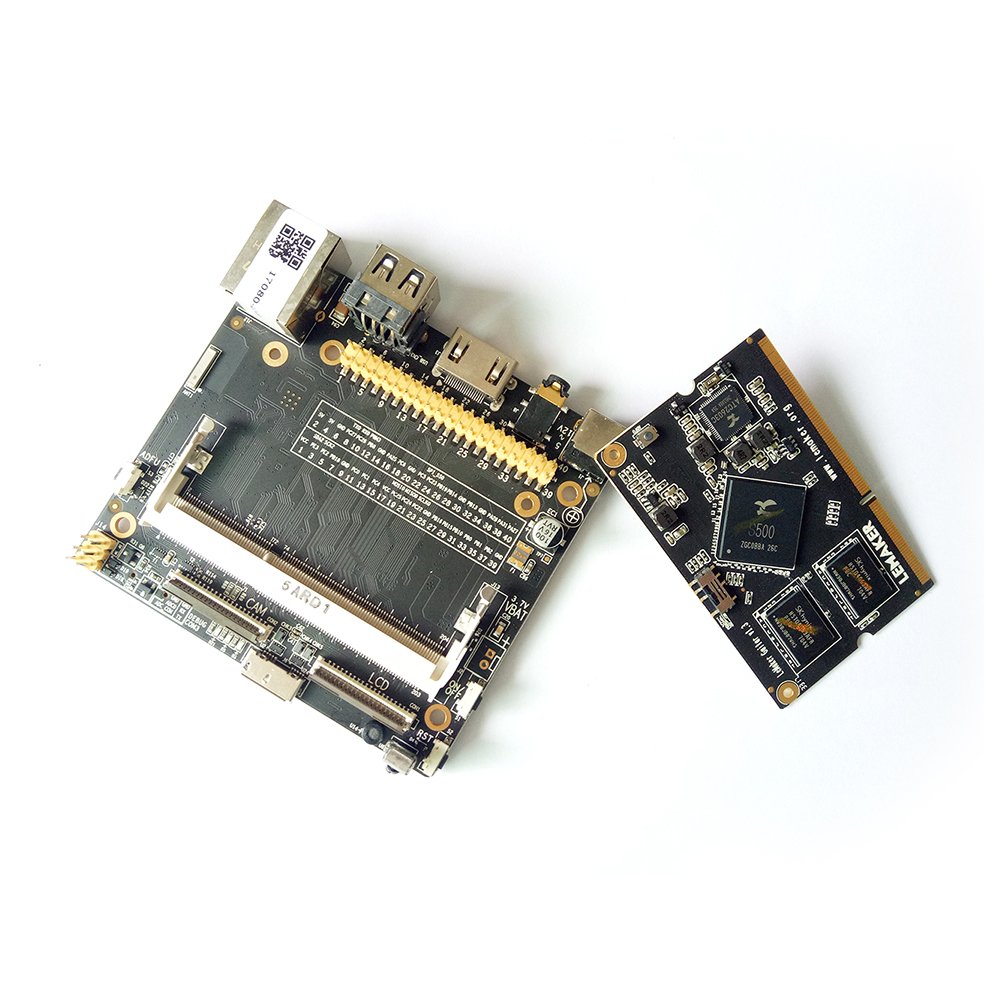

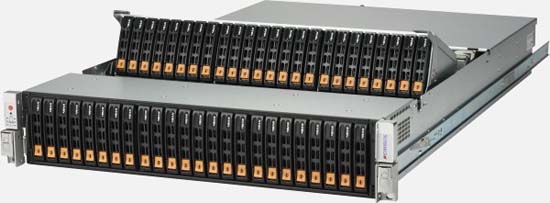
As an Amazon Associate, we may earn from qualifying purchases.
Common questions about modular MEV infrastructure
Modular MEV infrastructure separates block construction from execution and settlement, allowing teams to specialize in each layer. This architecture reduces latency bottlenecks and improves capital efficiency compared to monolithic setups. The primary keyword cluster here focuses on how this modularity impacts performance and selection criteria for 2026.
How does modular MEV reduce latency?
By decoupling the builder from the sequencer, modular systems allow for optimized local execution paths. Builders can focus on transaction ordering without waiting for global consensus, while specialized sequencers handle finality. This separation often results in faster block production times and lower latency for high-frequency strategies.
What are the key components of a modular stack?
A typical modular MEV stack includes a builder for transaction inclusion, a sequencer for ordering, and a searcher for opportunity identification. Infrastructure providers like MEV-Boost facilitate the connection between builders and validators. Teams must integrate these components carefully to ensure smooth data flow and minimal friction.
Is modular MEV suitable for small teams?
Modular infrastructure lowers the barrier to entry by allowing teams to rent or lease specific components rather than building everything from scratch. However, integration complexity remains a challenge. Small teams should focus on robust searcher strategies and reliable builder partnerships to compete effectively.
No comments yet. Be the first to share your thoughts!