
Why modular infrastructure matters for MEV
The era of monolithic MEV infrastructure is ending. In 2026, decentralized searchers are moving away from all-in-one hardware solutions toward modular setups that separate search, construction, and distribution layers. This shift isn't just about hardware; it's about strategic agility in a market where block times are shrinking and competition is fierce.
Flexibility is the primary driver. When a new block builder emerges or a specific mempool strategy becomes more profitable, a modular system lets you upgrade just the search node or the construction engine. You don't need to replace the entire server rack. This modularity directly impacts cost-efficiency, as you can invest in high-performance compute only where it matters most, rather than over-provisioning a monolithic unit.
Resilience is equally critical. If one component fails or becomes bottlenecked, the rest of the system continues to operate. For decentralized searchers, this means lower downtime and the ability to scale specific parts of the pipeline as transaction volume increases. The goal is to build a system that adapts as quickly as the blockchain does.
Key components of a 2026 MEV searcher rig
Building a competitive MEV searcher in 2026 requires a modular approach. Instead of relying on a single monolithic server, successful searchers assemble specialized hardware modules for specific tasks: high-frequency networking, GPU-accelerated bundle analysis, and specialized CPU block construction. This modularity allows you to upgrade individual components as the MEV landscape shifts, keeping costs down while maintaining speed.
The foundation of any searcher is the networking layer. You need low-latency connections to mempool nodes, often achieved through dedicated fiber lines or optimized cloud instances with direct peering. Next, the compute layer typically involves GPU clusters to run complex bundle analysis and simulation models in real-time. Finally, the CPU handles the intricate logic of block construction and transaction ordering.
| Module | Primary Function | Key Hardware Specs |
|---|---|---|
| Networking | Low-latency mempool access | 10GbE/100GbE NICs, Direct Peering |
| GPU Compute | Bundle simulation & analysis | NVIDIA H100/A100, High VRAM |
| CPU Logic | Block construction & ordering | High single-thread performance, Arm/x86 |
This modular architecture ensures that bottlenecks in one area, such as slower GPU inference, don't cripple the entire system. You can scale your GPU cluster independently of your CPU nodes, optimizing your capital expenditure for the specific MEV strategies you employ, whether that's arbitrage, liquidations, or NFT trading."
Top modular MEV hardware picks for 2026
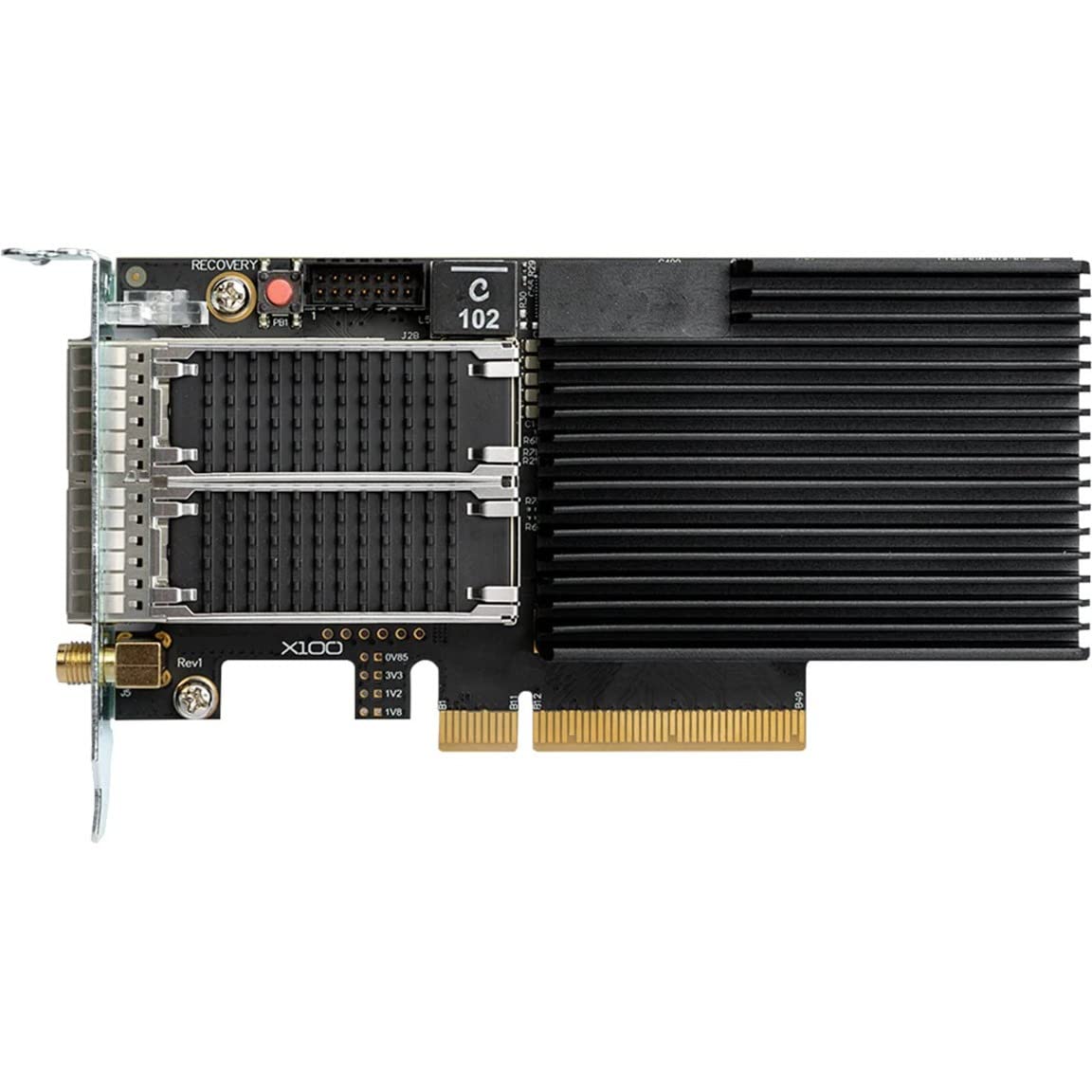
The landscape for decentralized searchers is shifting toward modularity. Instead of relying on monolithic, single-purpose machines, builders are assembling infrastructure from interchangeable components. This approach allows you to swap out specific modules—such as high-speed network interfaces or specialized compute accelerators—without replacing the entire system. For a searcher, this means you can adapt to changing block space economics or network upgrades with minimal downtime and capital expenditure.
When selecting hardware, prioritize components that offer high throughput and low latency. The best modular setups often combine a robust base chassis with hot-swappable expansion cards. This flexibility is critical when competing for block space, where milliseconds can determine profitability. Look for hardware that supports standard form factors, ensuring you have a wide selection of replacement parts available if a module fails.
Below are the top modular MEV hardware components recommended for 2026 builds. These selections focus on reliability, performance, and the ability to scale as your search strategy evolves.


As an Amazon Associate, we may earn from qualifying purchases.
MEV-Boost alternatives and block builder competition
The search landscape is shifting from a single-default reliance on MEV-Boost to a more fragmented ecosystem. As block builders compete more aggressively for transaction flow, hardware must adapt to handle diverse APIs and protocol variations. This competition benefits decentralized searchers by driving down latency requirements and increasing the variety of available block space.
Diversifying Block Builder Connections
Connecting to multiple block builders simultaneously requires hardware with robust network throughput and low-latency memory access. A single-node setup often bottlenecks when querying several endpoints for the best block. Modular systems allow you to scale network interfaces independently, ensuring that data ingestion from different builders doesn't compete for the same PCIe lanes or memory bandwidth.
Hardware Implications for Decentralized Search
Decentralized search operations rely on speed and redundancy. When one builder experiences congestion, your node must instantly pivot to another. This requires hardware that can manage multiple concurrent high-bandwidth connections without thermal throttling. Upgrading to modular rack-mounted units with dedicated networking cards allows for cleaner cable management and easier upgrades, keeping your search infrastructure aligned with the evolving builder landscape.
Faq: modular mev hardware: what to check next
Where is the World of Modular 2026?
The 2026 World of Modular event returns to Las Vegas from April 20-23. Hosted by the Modular Building Institute, the conference takes place at the Bellagio Hotel & Casino on the Las Vegas Strip. This is the primary industry gathering for modular construction professionals.
What is the best hardware for modular MEV searchers?
For decentralized searchers, reliability and low latency are paramount. The Intel NUC 13 Pro is a strong choice for compact, efficient node operation. For higher throughput needs, the Dell OptiPlex 7020 Micro offers robust processing power in a small form factor. Both options support the modular architecture required for modern MEV strategies.
How do I set up modular MEV hardware?
Start with a clean OS installation to minimize background noise. Configure your network interfaces for direct, low-latency connections to your target blockchain nodes. Install the necessary MEV-Boost or custom searcher client software. Finally, stress-test the hardware under load to ensure stability during high-volume block production periods.
No comments yet. Be the first to share your thoughts!