
Why modular stacks change MEV extraction
Modular MEV redefines value extraction by decoupling execution, consensus, and data availability into specialized layers. This separation dismantles the monolithic bottleneck where every node had to process every transaction simultaneously. Instead, the heavy lifting of transaction ordering and block production moves to high-performance execution environments, while data settles on dedicated availability layers. This architectural shift fundamentally alters the latency dynamics of search and ordering.
In a monolithic chain, validators are constrained by the slowest link in the verification process. The entire network must agree on the state of the execution layer before consensus is finalized. This creates a natural ceiling on how quickly MEV opportunities can be captured and extracted. Modular stacks remove this constraint. By offloading data availability to separate layers, execution layers can optimize purely for speed and throughput. This allows searchers to operate with significantly lower latency, capturing value before the broader network has even finalized the previous block.
The maturity of the execution environment becomes the primary driver of value. As noted by Maven11 Research, the key to modular MEV is that transactions on one chain can trigger effects on another. This cross-domain capability means that MEV is no longer confined to the block space of a single chain. It flows through the modular stack, moving from execution to consensus to data availability. This creates a more efficient, albeit more complex, landscape for value extraction.
This separation allows for specialized optimization. Execution layers can use parallel processing and advanced mempool structures without worrying about consensus overhead. Data layers can focus on cheap, efficient storage and retrieval. The result is a system where MEV extraction is faster, more predictable, and more profitable for those who can operate within the modular stack efficiently. The monolithic era of "one size fits all" validation is over.
How execution environments lower latency
Decoupling execution from consensus allows for specialized, high-performance environments that process transactions faster. This architectural shift directly reduces the time between transaction inclusion and block production, a critical factor in capturing modular MEV.
When execution is no longer bottlenecked by the consensus layer’s need for global agreement on every single operation, builders can optimize for speed. Specialized execution layers can handle complex logic, state updates, and cross-chain interactions without waiting for the slower consensus finality process. This separation means that the heavy lifting of transaction processing happens in parallel or ahead of consensus, shaving off precious milliseconds.
The maturity of your execution environment determines how effectively you can capture cross-domain MEV.
This specialization reduces latency by allowing different parts of the blockchain stack to operate at their optimal pace. Instead of a monolithic chain forcing all transactions through a single, rigid pipeline, modular MEV architectures enable targeted optimization. For instance, a rollup can execute transactions rapidly while relying on a separate data availability layer for security. This modularity ensures that execution bottlenecks do not propagate to the entire network, keeping latency low and yield potential high.
By focusing on execution efficiency, validators and builders can position themselves to capture value more reliably. The reduced time-to-block means that opportunities for arbitrage, liquidations, and other MEV strategies remain viable for longer, increasing the competitive advantage for those who have optimized their execution environments.
Finality actors and cross-domain value
The modular MEV landscape extends far beyond the execution layer. While sequencers order transactions, the true value of modular MEV often lies in the effects those transactions trigger across different chains. This cross-domain value is secured and captured through a combination of finality providers and data availability (DA) layers.
Securing cross-chain effects
In a modular world, a transaction on one chain can create effects on another. Finality providers play a critical role here by attesting to the state of rollups. Without reliable finality, validators cannot safely act on cross-chain signals, as the underlying state might still be reorganized. By staking on finality providers, validators help secure the state proofs that make cross-domain MEV strategies viable and predictable.
Data availability as a value layer
Data availability layers do more than store blobs; they influence the ordering and capture of value. As noted in research on the modular stack, MEV can exist on the data layer itself if the rollup is constructed with decentralized sequencers. This setup allows the DA layer to participate in the ordering process, creating new avenues for value capture that are distinct from traditional execution-layer arbitrage.
"In a modular world, our thesis is the matureness of your execution environment. [...] if transactions on one chain start effects on another chain, which is [...]"
Capturing the value
Validators who understand both finality and DA dynamics can position themselves to capture this cross-domain value. By supporting robust finality providers and choosing DA layers that support decentralized sequencing, validators can unlock MEV opportunities that span multiple domains. This approach requires a deeper understanding of the modular stack but offers a more resilient path to yield in a fragmented ecosystem.
Optimize validator yield with modular MEV
Integrating modular MEV tools allows validators to capture additional value without compromising decentralization. Unlike legacy bundles, modular MEV-Boost separates execution from consensus, enabling flexible integration with specific data availability layers. This approach reduces latency and increases block revenue while maintaining security standards.

Measure your current block production times and bundle inclusion rates. Identify bottlenecks in your RPC endpoints or transaction propagation. Lower latency is critical for capturing time-sensitive MEV opportunities before they expire.

Choose a data availability (DA) layer that aligns with your consensus client. Modular MEV solutions often require specific DA commitments to ensure transaction data is available for verification. Ensure your chosen layer supports the throughput and finality speeds you require.
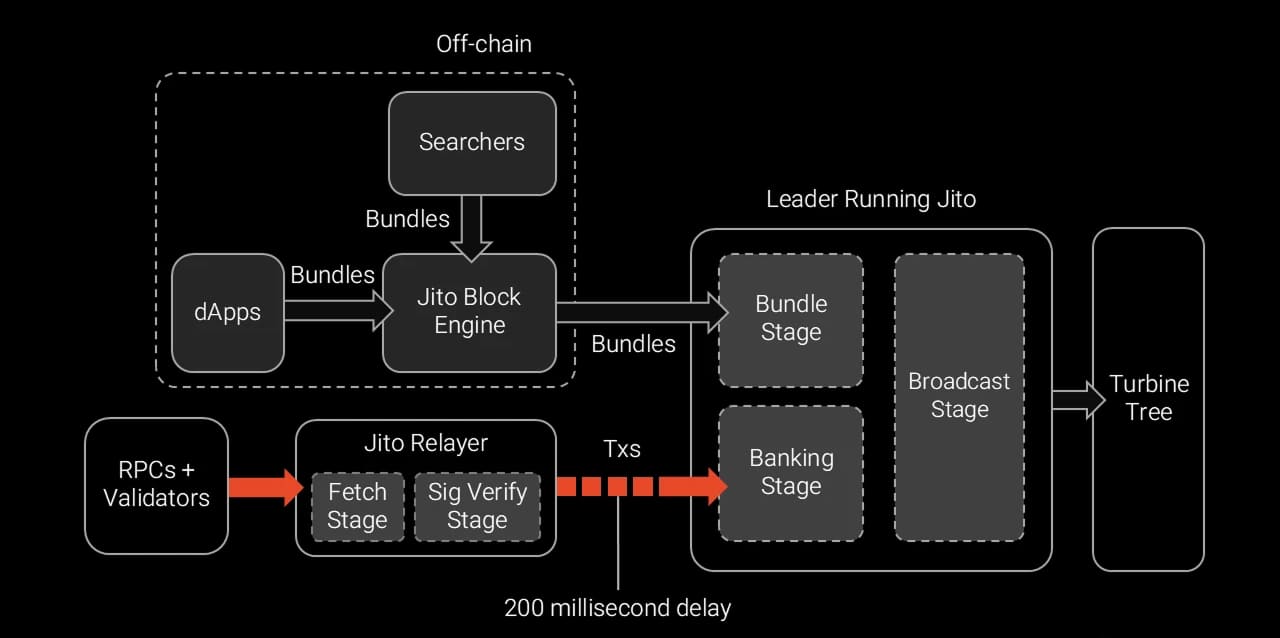
Deploy modular MEV-Boost as a lightweight proxy between your validator client and the builder network. This component facilitates the secure transmission of block proposals and receipts. Configure it to prioritize builders who offer the best net yield after fees.
Track the finality status across both the execution and consensus layers. Discrepancies in finality can lead to missed rewards or security risks. Use monitoring tools to alert you if block production falls outside expected parameters.
The transition to modular MEV requires careful coordination between different protocol components. As noted in recent industry discussions, the flexibility of modular MEV-Boost allows validators to adapt to changing network conditions more effectively than monolithic solutions. This adaptability is key to sustaining long-term yield.
Community perspectives on modular MEV
The shift toward modular MEV architecture has sparked intense debate within the developer and validator communities. While proponents argue that separating execution from consensus and data availability can reduce latency and improve yield, critics warn of new centralization vectors and increased complexity.
A central point of contention is where MEV extraction should occur. As discussed in the Celestia forum, if rollups are constructed with decentralized sequencers, MEV opportunities might shift to the data layer itself, fundamentally altering how value is captured and distributed across the stack Celestia Forum.
"MEV is not just a bug to be fixed; it is the economic engine of the modular stack." — No Execution Podcast
This perspective highlights the growing recognition that modular MEV is not merely a technical adjustment but a structural economic shift. The community continues to explore how to balance efficiency with fairness, ensuring that validators and users alike benefit from the new architecture without sacrificing decentralization.
Common questions about modular MEV
Modular MEV is reshaping how validators and builders interact with blockchain data. Here are answers to the most frequent questions about extracting value in a modular stack.
Is modular MEV different from traditional MEV?
Traditional MEV often leads to congestion and high gas wars on a single chain. Modular MEV distributes the workload. By separating execution from data availability, validators can process transactions faster. This reduces the latency that typically allows sophisticated bots to capture value before regular users.
No comments yet. Be the first to share your thoughts!