

In the ever-evolving world of decentralized finance (DeFi), the race to optimize transaction execution and minimize value leakage is relentless. Maximal Extractable Value (MEV) remains a critical battleground, as traders, protocols, and validators vie for every edge in the modular blockspace market. Two leading strategies have emerged as game-changers in this arena: bulk trade and atomic transaction bundling. These methods are transforming not only how MEV auctions are conducted but also how DeFi trading efficiency and slippage reduction are achieved for all participants.
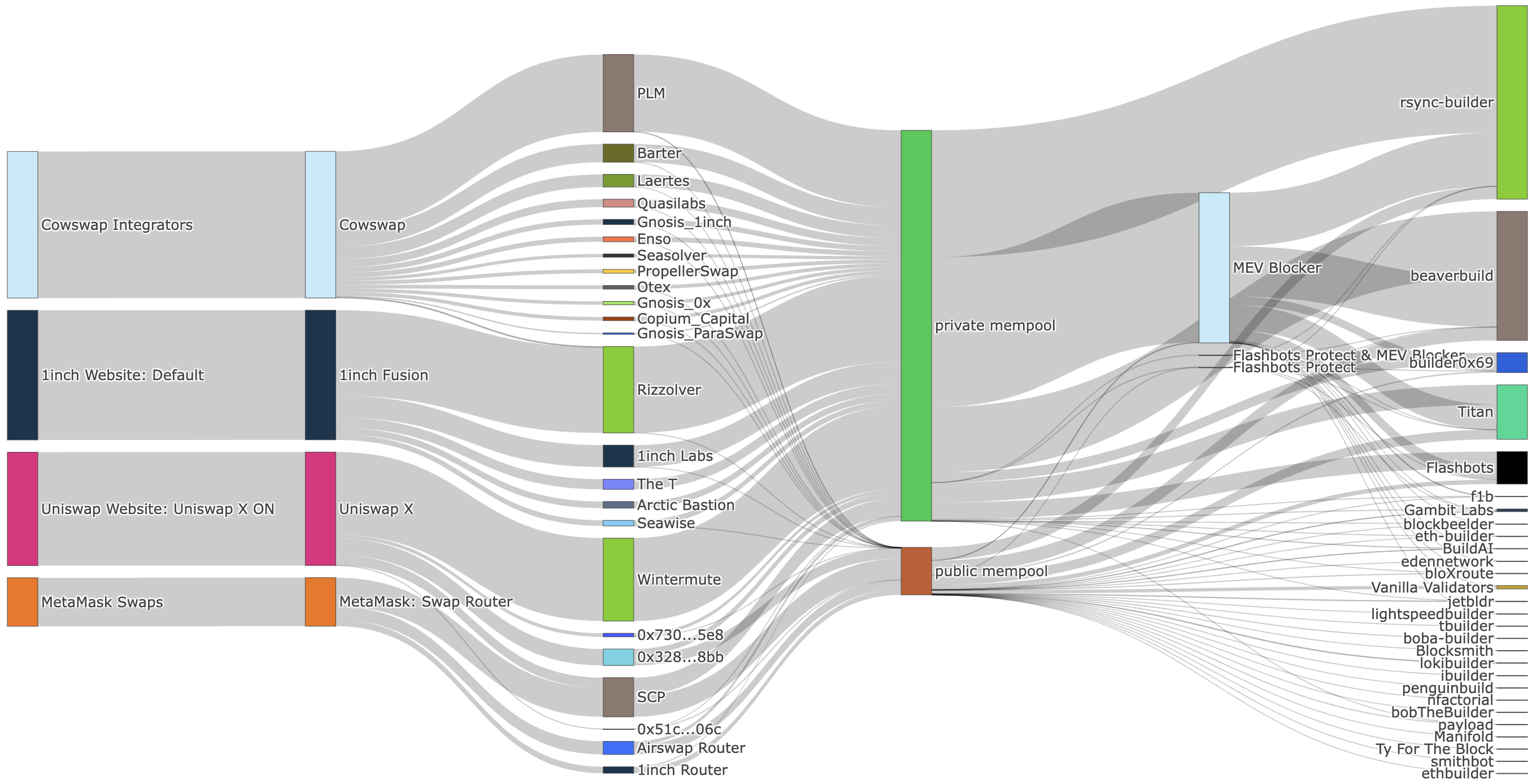
The MEV Challenge: Why Transaction Ordering Matters
At its core, MEV refers to the extra value that miners or validators can extract by reordering, including, or excluding transactions within a block. This unique property of blockchain systems creates both opportunities and risks. Traditional mechanisms often left users vulnerable to front-running, sandwich attacks, and other forms of predatory behavior. The result? Increased slippage, reduced fairness, and inefficient use of precious blockspace.
The introduction of priority auctions - such as those pioneered by Jito on Solana - replaced inefficient transaction spamming with a more orderly system. By allowing searchers to bid for inclusion rights via bundled transactions, these platforms reduce wasted space while improving network throughput. The outcome is a more sustainable environment where value extraction is balanced by efficiency gains.
Bulk Trading: Aggregation for Efficiency and Fairness
Bulk trading aggregates multiple user transactions into a single batch that is then processed simultaneously. This batching mechanism minimizes the time trades spend exposed in the mempool - the public waiting area for pending blockchain transactions - which reduces opportunities for malicious actors to exploit order flow.
This approach offers several key benefits:
- Reduced front-running risk: By grouping trades together and executing them at a single clearing price per token, batch auctions make it much harder for attackers to insert their own transactions before or after large orders.
- Price stability: Executing trades in bulk dampens volatility by smoothing out sudden price swings that could otherwise be triggered by sequential processing.
- Fairer execution: All participants receive an equitable fill at the batch price rather than being penalized based on their position in the queue.
This architecture has been successfully implemented in protocols like CoW Protocol and UniswapX, where off-chain order books aggregate intent before on-chain settlement. These innovations are setting new standards for slippage reduction in DeFi markets.
Atomic Transaction Bundling: Indivisible Execution for Integrity
If bulk trading is about aggregation for fairness, then atomic transaction bundling is about integrity through indivisibility. In this model, multiple related transactions are grouped into a single bundle that must be executed entirely or not at all - there is no partial completion allowed.
This atomicity guarantees that all steps within a bundled strategy occur exactly as intended without interference from external parties. For example:
- A searcher identifies an arbitrage opportunity across two pools; both swaps are bundled atomically so either both succeed or neither does.
- A sophisticated sandwich attack bundles front-run, target, and back-run transactions into one atomic unit to ensure precise profit capture (though ethical use cases focus on arbitrage rather than exploitation).
The main advantage here is execution integrity: users can trust that their complex strategies will not be disrupted mid-flow by competing bots or adverse reordering. This method also enhances overall network efficiency by reducing redundant attempts and failed partial executions.
Atomic transaction bundling is now a cornerstone for advanced MEV searchers and DeFi protocols. By ensuring that all transactions within a bundle are executed in the precise intended order, this approach dramatically reduces the risk of partial fills and failed arbitrage attempts. For institutional traders and protocol-level liquidity managers, this is a game-changer: strategies that once required constant monitoring and manual intervention can now be automated with confidence that the execution environment will not betray them.
Moreover, atomic bundling aligns incentives between searchers, validators, and end-users. Validators are rewarded for including high-value bundles that maximize block rewards without degrading user experience. End-users benefit from tighter spreads, lower slippage, and more predictable outcomes, especially in volatile or thinly traded markets.
The Modular MEV Auction Advantage
Platforms like Modular Mev Auctions take these principles further by providing a robust orderflow marketplace where bulk trade and atomic bundling are not just features but foundational elements. In a modular blockspace market, participants can tailor their execution strategies to current network conditions, selecting batch size, bundle composition, and auction timing to optimize both cost and outcome.
This flexibility is especially critical as DeFi matures into an ecosystem where latency-sensitive trading, cross-chain arbitrage, and complex liquidity routing become the norm. Modular MEV auctions empower both retail and institutional traders to access best-in-class execution tools without sacrificing transparency or composability.
Recent data shows that adoption of these methods correlates with measurable improvements in network health: lower average gas costs per transaction, reduced failed trades due to reordering conflicts, and higher aggregate throughput on leading DeFi platforms. As more protocols integrate bulk trading and atomic bundling into their core architecture, we can expect further reductions in value leakage to predatory bots, and a more level playing field for all participants.
Frequently Asked Questions
Ultimately, the future of MEV auctions lies in collaborative infrastructure: systems where users’ interests are aligned through transparent processes and efficient execution layers. Bulk trading flattens the playing field by aggregating intent; atomic bundling ensures integrity by enforcing indivisible outcomes. Together they represent not just incremental improvements but an evolutionary leap for decentralized finance.
As DeFi continues its rapid evolution into 2025 and beyond, expect these innovations to set new standards for security, fairness, and efficiency across all layers of the modular blockspace market.




No comments yet. Be the first to share your thoughts!