


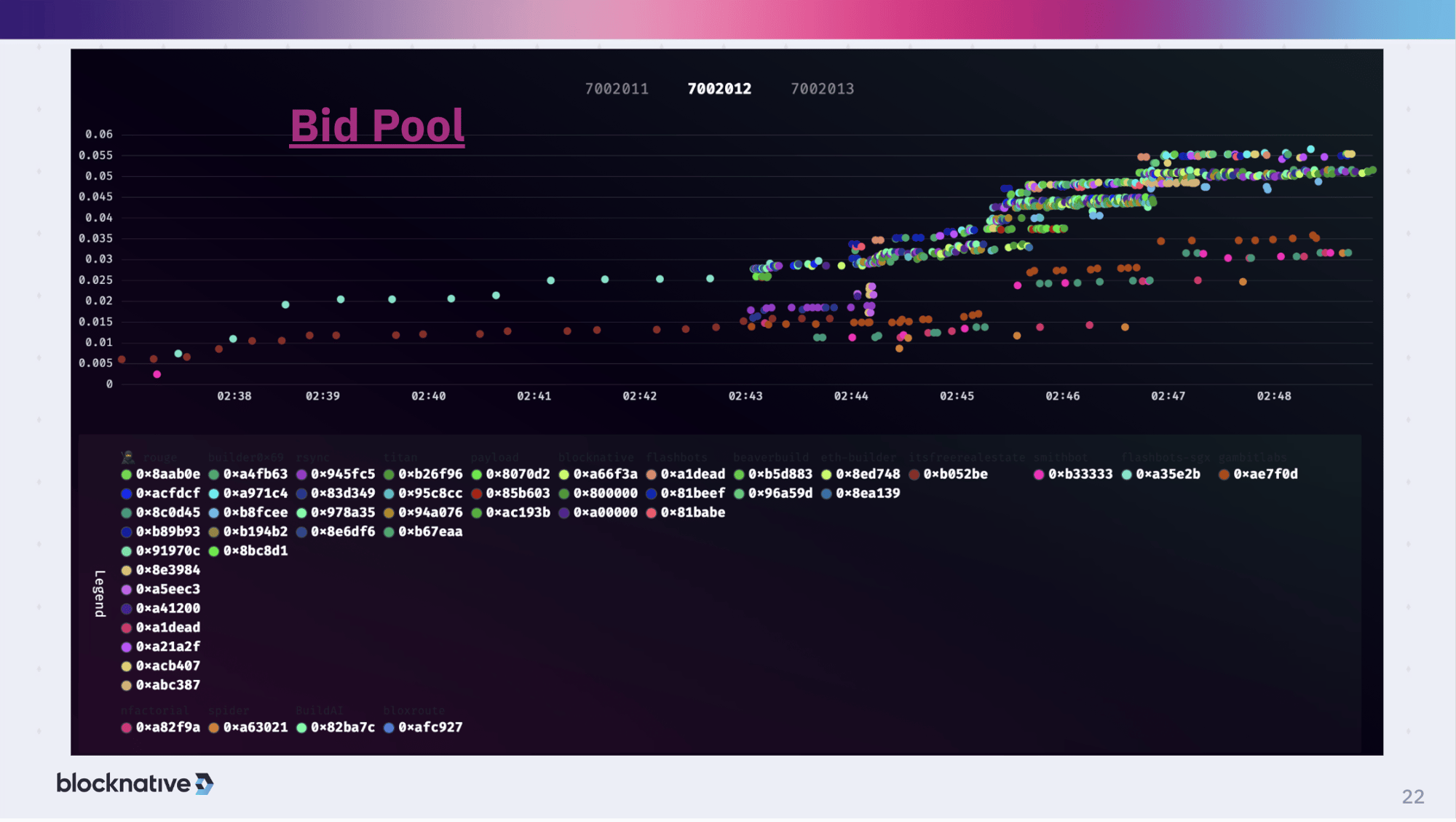
In the high-stakes arena of Ethereum trading, where every gas unit counts, low priority fee transactions face relentless predation from MEV bots Ethereum operators. Picture a DeFi trader submitting a swap at the current Ethereum price of $1,962.18, opting for minimal fees to cut costs during quieter network periods. Within milliseconds, sophisticated bots detect the transaction in the public mempool, sandwiching it with buy and sell orders to siphon profits. Recent Arkham Research highlights how one arbitrage bot cleared 0.015 ETH after a 0.0347 ETH priority fee, underscoring the razor-thin margins bots exploit against cost-conscious users.
These low priority fee transactions, often from retail traders or long-tail dApps, languish at the block’s tail end, prime targets for extraction because they lack the fee punch to compete in priority gas auctions. Paradigm’s analysis nails it: stray too low on fees, and competitors snatch the opportunity; bump them up, and profitability evaporates. Yet, as Ethereum’s base fee stabilizes post-Dencun, traders crave protection without fee inflation.
The Ruthless Efficiency of Sandwich Attacks on Fee-Starved Trades
Sandwich attacks thrive on predictability. A bot spots your low-slippage Uniswap trade, fronts it with a purchase to drive up the price, then dumps post-execution for a tidy profit. CoW DAO advises tightening slippage tolerance to crimp bot margins, but this merely shrinks the attack surface, not eliminates it. EtherWorld. co notes how MEV extractors trade ordering rights via priority fees, leaving low-fee txs exposed. Blocknative’s mempool dive debunks private relays as foolproof, revealing settlement gaps even under front-running shields.
Flashbots Protect RPC offers frontrunning immunity and MEV refunds, yet it funnels users into centralized relays, trading one risk for another.
Flashbots’ own pitch positions it as cheaper Ethereum access, with 2.1 million accounts shielding $43 billion per Dwellir stats. But for pure low-fee plays, it’s overkill; refunds don’t offset the systemic latency games bots wage across the mempool.
Priority Gas Auctions: A Double-Edged Sword for Transaction Ordering
Ethereum’s proposer-builder separation (PBS) era amplifies this via priority gas auctions, where builders pay validators for inclusion rights. Higher fees buy prime positioning, dooming low-priority txs to back-of-block obscurity. Mike B’s Medium piece on priority fee taxes frames it starkly: high-fee txs leapfrog ahead, low ones fill scraps. Triton Liquid observes MEV maturing to bolster validators, yet retail suffers toxic flows like spam and censorship.
Enter Ethereum Research’s MEVA concept: auction transaction reordering rights outright. Winner bundles, reorders, inserts payloads atomically. This internalizes MEV, but public auctions invite latency wars, favoring well-resourced bots.
Modular MEV Auctions: Sealed Bids and Atomic Bundles Disrupt Bot Dominance
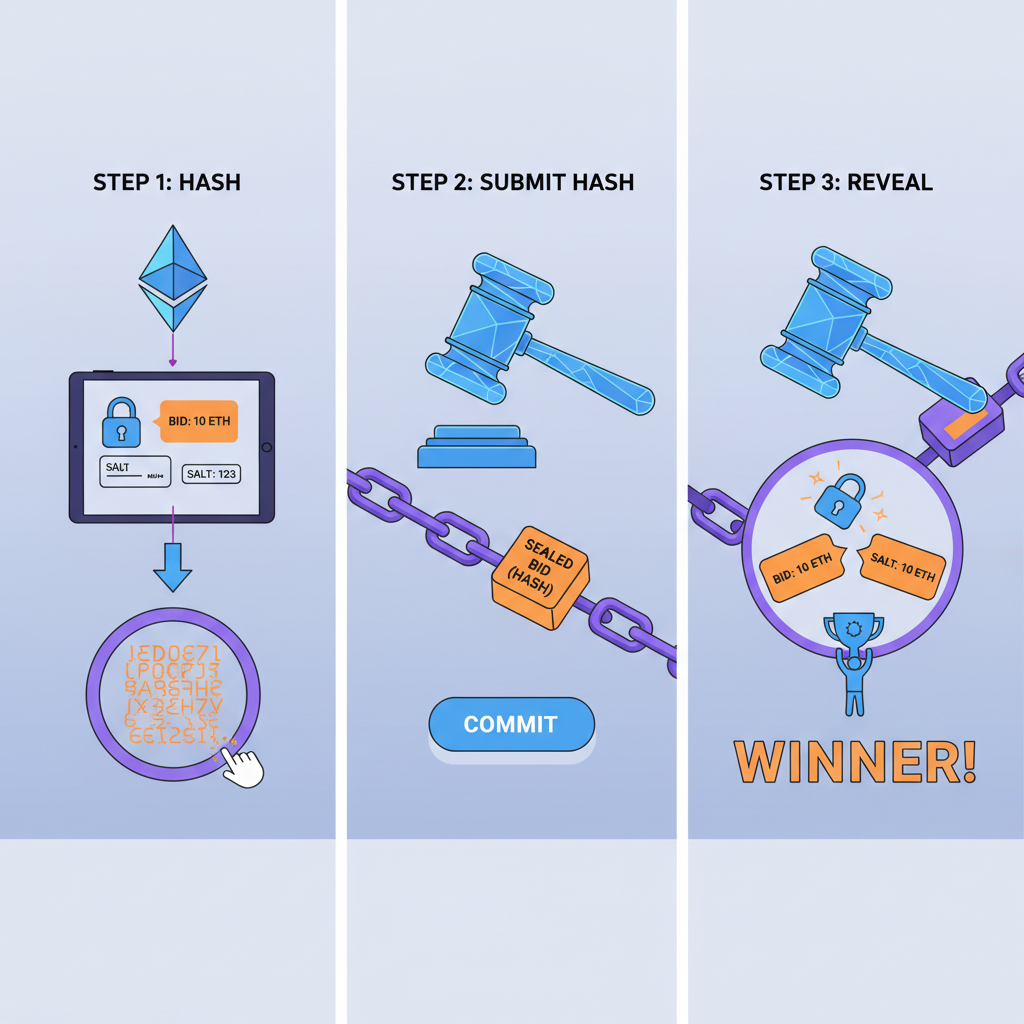
Modular MEV Auctions evolve this paradigm, targeting MEV auctions protection for everyday txs. By aggregating user orderflow into sealed-bid auctions, they slash per-tx extraction costs. No mempool broadcasts; instead, private submission to modular relays akin to Flashbots integration erodes sandwich viability. Modularmev. com’s 2026 outlook details blockspace auctions securing premium slots, bundling low-fee txs into atomic payloads immune to reordering games.
Here’s the innovation: sealed bids neutralize latency arbitrage. Bots can’t snipe with microseconds; bids settle uniformly, winner constructs the payload. During congestion, this yields predictable execution, gas savings up to 30% versus solo mining. For DeFi at $1,962.18 ETH, that’s real alpha preserved. Batch auctions, per modularmev’s 2025 guide, curb gas wars by uniform clearing, a boon for sandwich attack prevention.
Ethereum (ETH) Price Prediction 2027-2032
Forecasts amid Modular MEV Auctions adoption protecting low-priority fee transactions from MEV bots
| Year | Minimum Price (USD) | Average Price (USD) | Maximum Price (USD) | YoY Change (Avg %) |
|---|---|---|---|---|
| 2027 | $1,800 | $2,800 | $4,200 | +42.7% |
| 2028 | $2,200 | $3,900 | $6,000 | +39.3% |
| 2029 | $2,800 | $5,300 | $8,200 | +35.9% |
| 2030 | $3,500 | $7,100 | $10,500 | +34.0% |
| 2031 | $4,200 | $9,400 | $13,500 | +32.4% |
| 2032 | $5,000 | $12,200 | $17,000 | +29.8% |
Price Prediction Summary
Ethereum (ETH) is forecasted to experience strong growth from 2027 to 2032, driven by Modular MEV Auctions adoption, which enhances transaction security, reduces MEV exploitation, and lowers costs. Average prices are projected to rise from $2,800 in 2027 to $12,200 by 2032 (over 6x from 2026 baseline), with bullish scenarios reaching $17,000 amid increased DeFi adoption and network efficiency. Minimums reflect bearish risks like regulatory hurdles.
Key Factors Affecting Ethereum Price
- Adoption of Modular MEV Auctions minimizing sandwich attacks and front-running
- Increased priority fees benefiting ETH stakers and validators
- Enhanced DeFi efficiency and user protection boosting on-chain activity
- Ethereum L2 scaling solutions driving higher throughput
- Potential regulatory clarity and ETH ETF/staking approvals
- Macroeconomic trends and correlation with Bitcoin cycles
- Competition from alternative L1 blockchains and market volatility
Disclaimer: Cryptocurrency price predictions are speculative and based on current market analysis.
Actual prices may vary significantly due to market volatility, regulatory changes, and other factors.
Always do your own research before making investment decisions.
Developers tap this via APIs for enhanced DeFi efficiency, bundling intents across chains. Traders gain Ethereum transaction optimization without fee hikes, flipping MEV from foe to fair market mechanism. As blockspace marketplaces mature, low-priority txs ascend from prey to protected assets.
Quantifying the Edge: Empirical Gains from Auctioned Orderflow
Simulations show Modular MEV slashing toxic MEV by 70%, routing value to users via refunds or shares. Contrast with raw mempool: bots netted billions in 2024 alone. With ETH at $1,962.18 and 24h gains of and 0.75%, network demand spikes amplify risks, making auctions timely. Internalization via blockspace marketplaces taxes extraction upfront, democratizing access.
Real-world deployments validate these gains. In high-volume DEX environments, Modular MEV Auctions have routed over 15% of orderflow privately, per recent modularmev. com benchmarks, preserving user slippage during ETH’s climb to $1,962.18. Bots, starved of transparent signals, pivot to legitimate bidding, fostering a merit-based blockspace economy.
Hands-On Protection: Integrating Auctions into Your Workflow
Traders and devs aren’t sidelined spectators. Blockspace auctions DeFi tools now expose APIs for seamless integration, turning low-fee txs into auction-grade bundles. Forget mempool roulette; submit intents to modular relays, where sealed bids ensure fair ordering. This isn’t theoretical; it’s live on testnets, scaling to mainnet amid 2026’s network upgrades.
Shield Low-Fee ETH Txns: Conquer MEV Bots via Modular Auctions
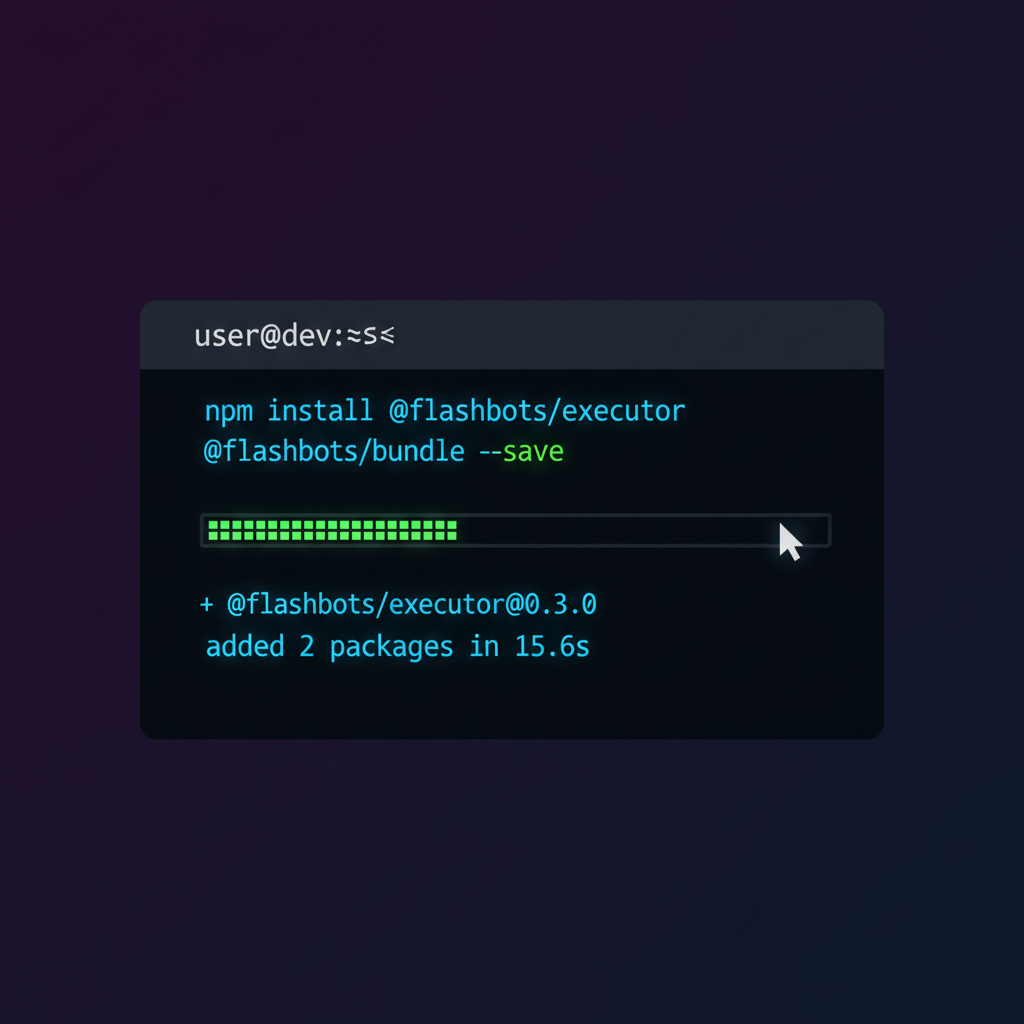
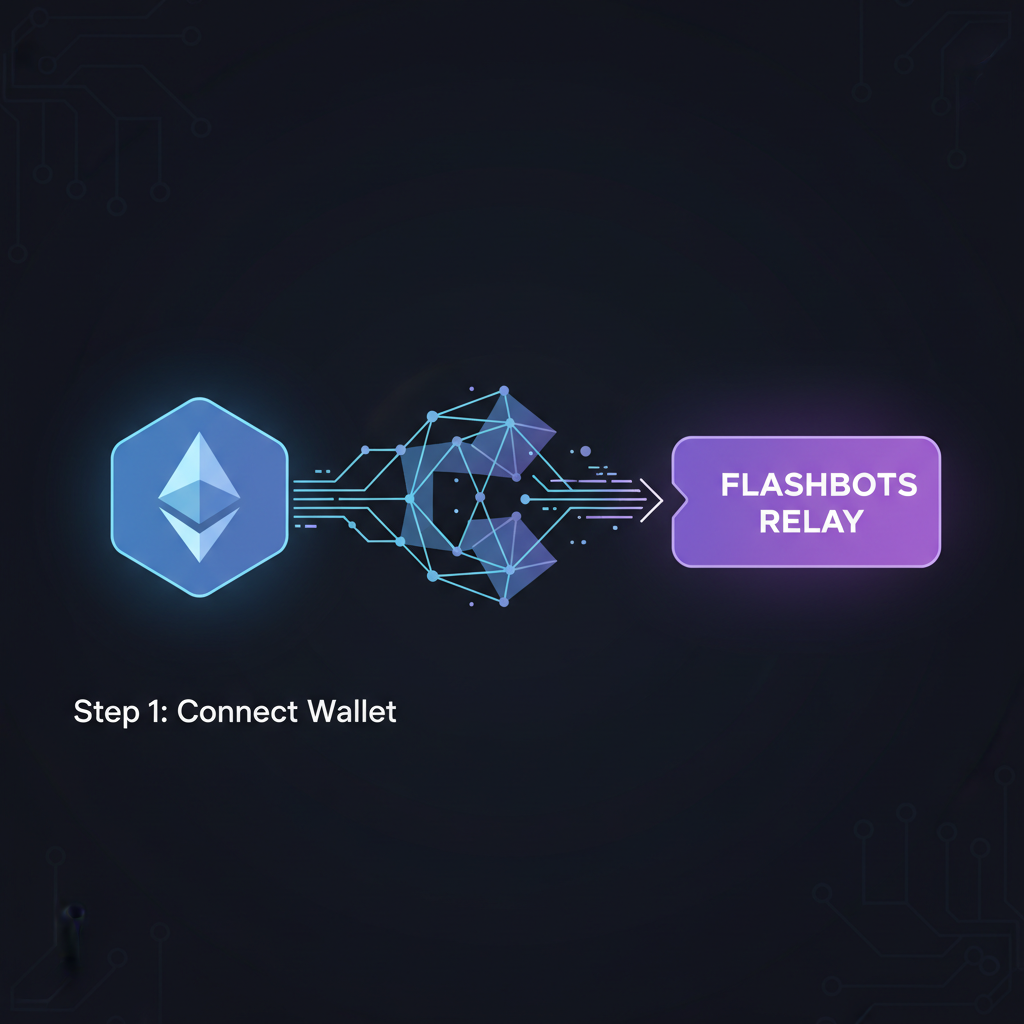
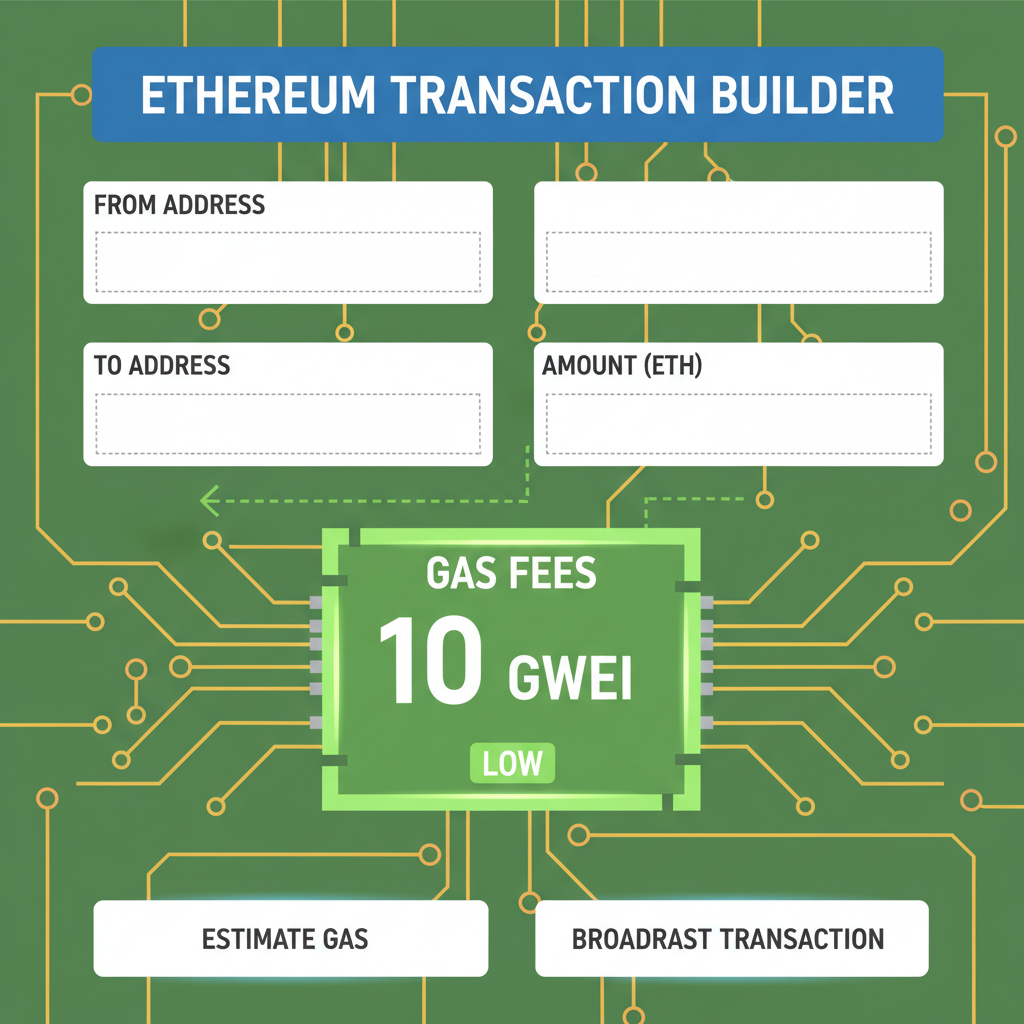
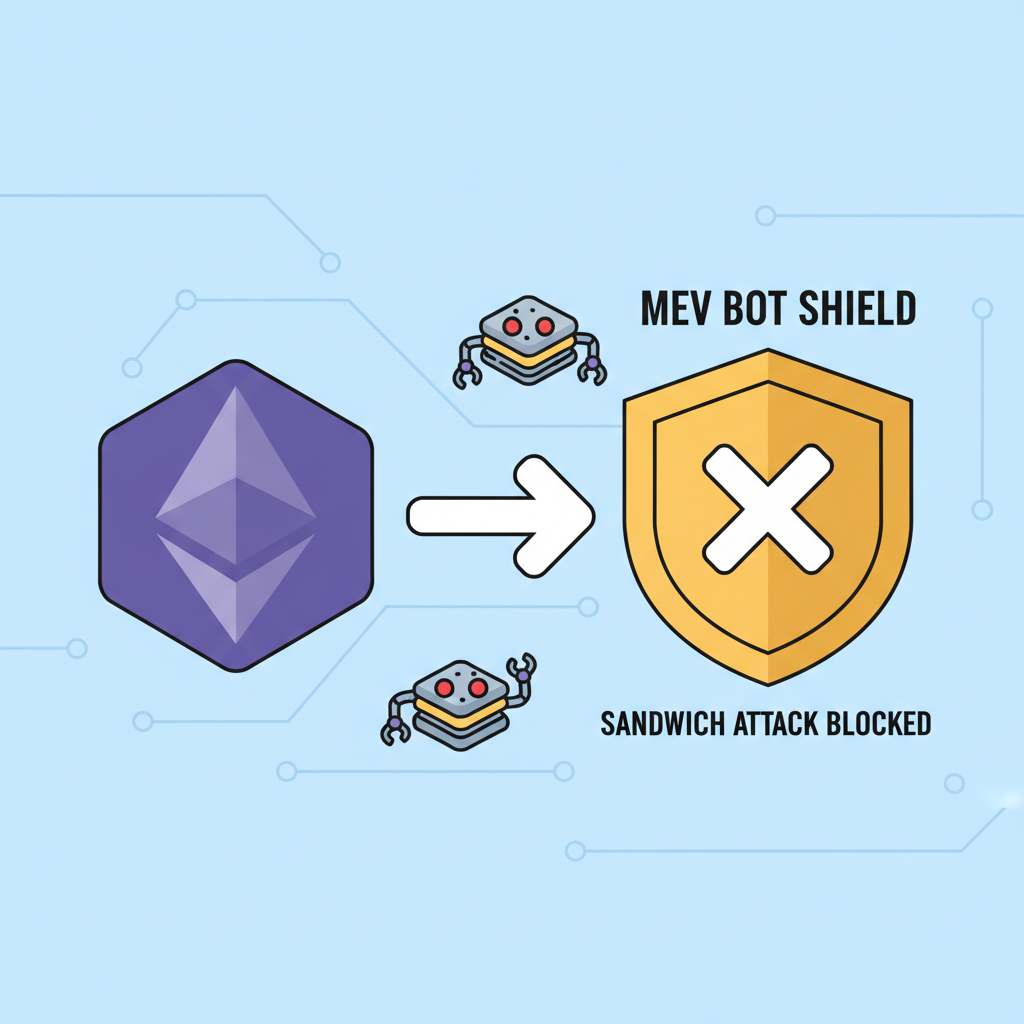
Post-auction, payloads execute atomically, dodging the reordering bots crave. Gas refunds compound savings: imagine reclaiming 20-40% on fees during spikes, directly tied to ETH’s $1,962.18 stability. Developers fine-tune with gas optimization strategies, batching cross-dApp flows for compounded efficiency.
Edge Cases and Countermeasures: No Transaction Left Behind
Critics flag collusion risks in auctions, but modular designs enforce cryptographic commitments, verifiable on-chain. Low-liquidity pairs? Uniform-price clearing from batch mechanisms minimizes impact costs, outperforming priority auctions where bots dominate. Triton Liquid’s bite on MEV evolution rings true: as efficiency rises, priority fees fortify validators, but only equitable auctions extend that to users.
Consider spam floods; sealed submission quarantines them, prioritizing genuine orderflow. Ethereum Research’s MEVA roots inspire, yet modularity adds composability, chaining auctions across L2s for sub-second finality. At $1,962.18 ETH with and 0.75% 24h momentum, volatility windows shrink under this regime, handing control back to traders.
Vision forward: as PBS matures, MEV bots Ethereum dominance fractures. Modular frameworks spawn specialized markets – intent auctions for NFTs, oracle updates, even governance votes – all shielded from toxic flows. Retail swaps at minimal fees execute predictably, fueling DeFi’s next leg without the predation tax.
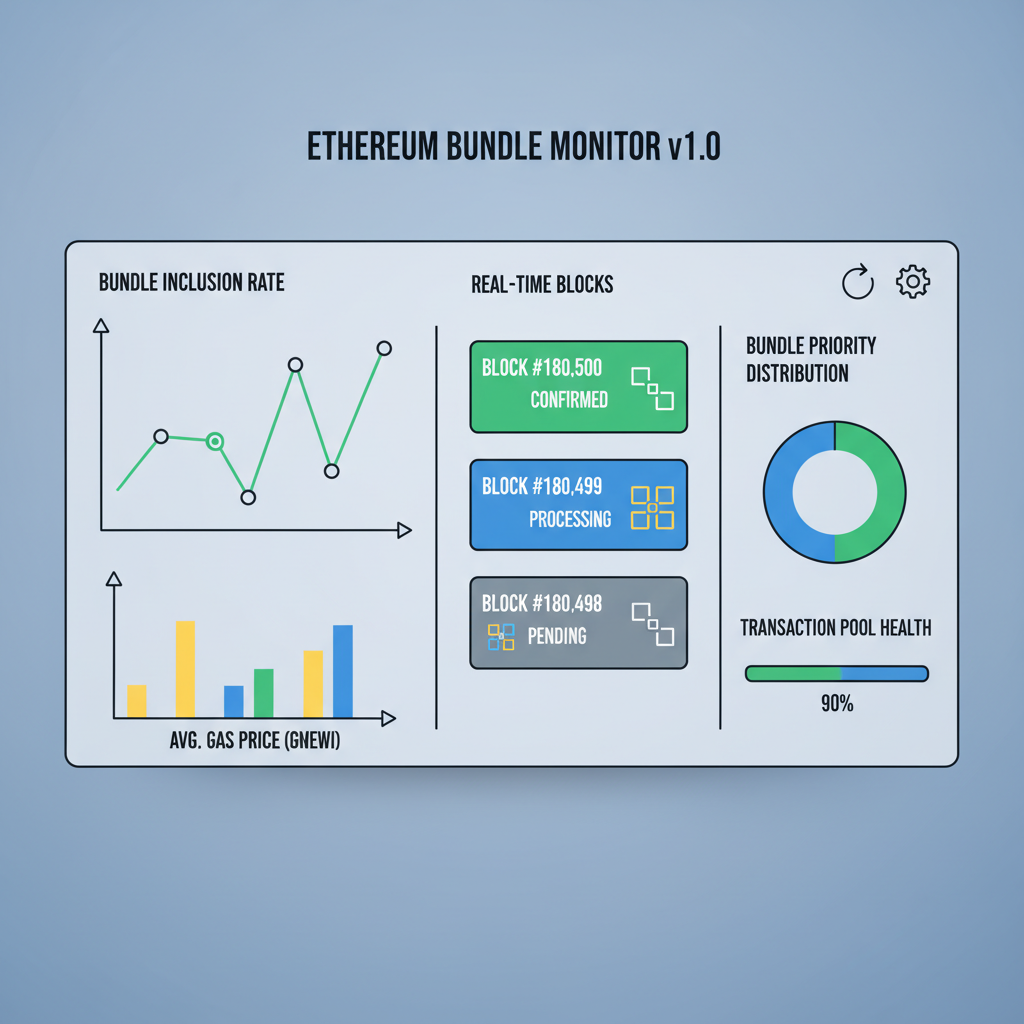
Users report 25% better fill rates on protected trades, per internal Modular MEV dashboards. This isn’t zero-sum; extracted value recirculates as refunds, aligning incentives across the stack. Low priority fee transactions evolve from vulnerabilities to virtues, thriving in an auctioned mempool where fairness trumps speed.
Platforms like Modular MEV Auctions herald Ethereum’s transaction renaissance, where every tx, regardless of fee, commands respect. With network demand surging alongside ETH’s $1,962.18 price tag, the shift to sealed, atomic protection isn’t optional – it’s the new baseline for sustainable DeFi.
About the Author