

In the high-stakes world of Solana memecoin trading, where fortunes flip faster than a pump-and-dump scheme, sandwich attacks have become the silent killer draining wallets. Last month alone, bots executed over 145,000 such attacks, victimizing 59,000 traders and siphoning more than 12,000 SOL. Most don't even notice, mistaking slippage for market whims. As SOL hovers at $88.47 today, with a 24-hour range from $87.59 to $92.85, these predatory tactics threaten the network's vibrancy, especially amid 2026's intensified DeFi battles.
The Ruthless Mechanics of Sandwich Attacks
Sandwich attacks thrive on Solana's speed and public mempool visibility. Picture this: you spot a memecoin mooning and swap in. Before your transaction lands, a bot frontruns with a buy, pumping the price against you. Then it backruns with a sell right after, pocketing the spread while you eat slippage. EigenPhi data labels this the most harmful MEV form, frontrunning and backrunning victim swaps for suboptimal execution. In memecoin frenzies, where liquidity pools are shallow, losses compound quickly; a seemingly innocent trade turns into a $100 and hit per swap.
Why Solana? Its parallel processing and low fees lure retail traders, but validators and bots exploit transaction ordering. Jito reports users paying millions for protection, yet 15 validators faced bans late 2025 for enabling this. Without intervention, memecoin traders - often new to DeFi - bear the brunt, eroding trust in an ecosystem that relies on retail hype.

Solana's 2026 MEV Battlefield
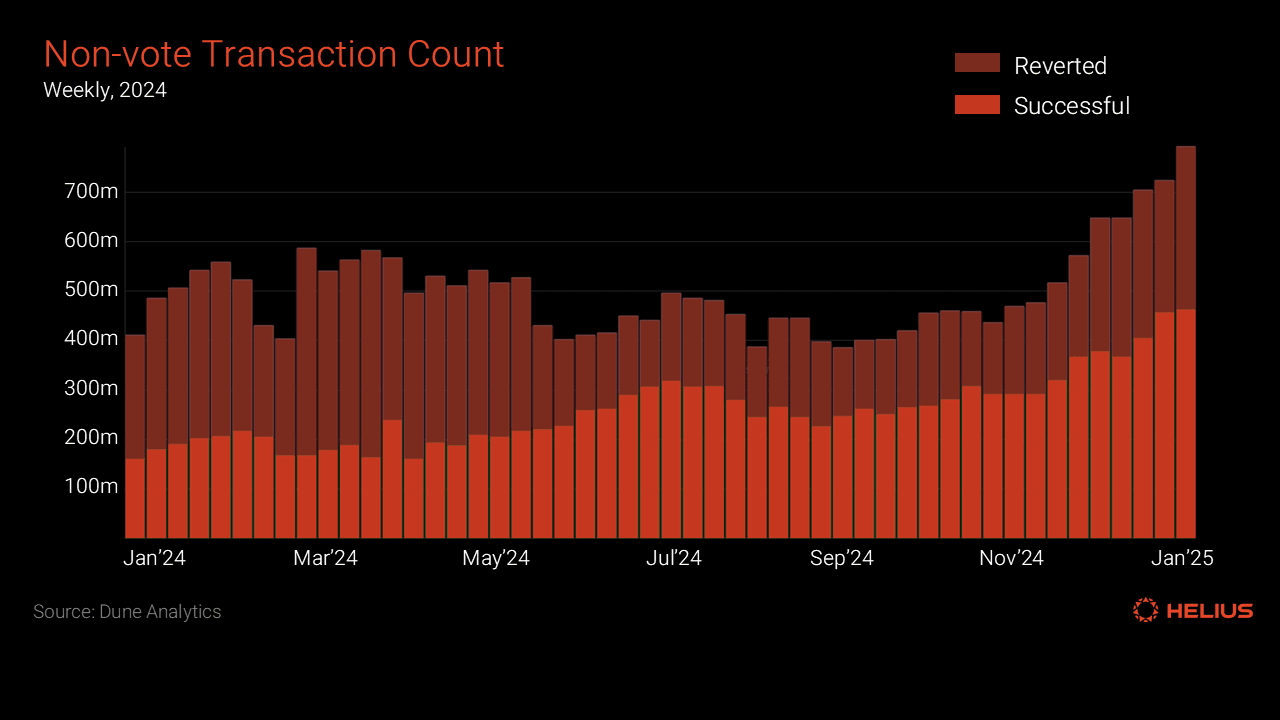
Enter 2026: Solana's block building wars rage on. Discussions around MCP and Alpenglow loom for August, but traders need relief now. Sandwich bots stole 12,000 SOL last month, per Reddit threads, while Medium dives explain malicious MEV's surge. Blockworks questions if it's theft or DeFi's game, but victims disagree. Jito's 'DontFront' bundles shield some trades, routing via private mempools, yet coverage gaps persist. Users flock to Jito, but scale matters. Meanwhile, SOL at $88.47 reflects caution; a -0.0165% dip masks deeper MEV scars.
Analytics tools now flag 'volume spike plus liquidity drop' or 'smart-wallet buys, ' but reactive alerts fall short against sub-second bots. EigenPhi's exclusives on TradingView and CoinGlass underscore sandwiches' dominance, pushing Solana MEV protection to the forefront. Modular Mev Auctions positions itself here, promising blockspace auctions Solana style to flip the script.
Solana (SOL) Price Prediction 2027-2032
Forecast amid Modular MEV Auctions and MEV protections enhancing DeFi trader confidence and memecoin ecosystem growth
| Year | Minimum Price | Average Price | Maximum Price | YoY % Change (Avg) |
|---|---|---|---|---|
| 2027 | $95 | $160 | $320 | +82% |
| 2028 | $150 | $260 | $520 | +63% |
| 2029 | $220 | $390 | $780 | +50% |
| 2030 | $310 | $550 | $1,100 | +41% |
| 2031 | $430 | $720 | $1,440 | +31% |
| 2032 | $540 | $900 | $1,800 | +25% |
Price Prediction Summary
Solana's SOL is forecasted to experience robust growth from 2027-2032, propelled by Modular MEV Auctions and anti-sandwich attack measures like Jito's DontFront, fostering DeFi adoption and trader trust. Average prices are projected to rise progressively from $160 in 2027 to $900 by 2032, with bullish peaks potentially hitting $1,800 amid favorable market cycles, while minimums reflect bearish regulatory or competitive pressures.
Key Factors Affecting Solana Price
- Modular MEV Auctions enabling transparent bidding to outcompete sandwich bots
- Jito's DontFront feature and validator bans reducing malicious MEV exploitation
- Surge in Solana DeFi TVL and secure memecoin trading volumes
- Crypto market bull cycles and institutional adoption trends
- Technological advancements like Alpenglow for faster execution
- Regulatory developments favoring high-throughput L1 networks
- Competition from Ethereum L2s and emerging L1 blockchains
Disclaimer: Cryptocurrency price predictions are speculative and based on current market analysis. Actual prices may vary significantly due to market volatility, regulatory changes, and other factors. Always do your own research before making investment decisions.
Modular MEV Auctions: A Strategic Counter to Toxic Flow
Modular MEV Auctions transform the game via transparent MEV orderflow marketplace 2026. Unlike opaque Jito bundles, these auctions open bid wars for transaction bundles. Searchers compete for blockspace, outbidding sandwichers with genuine arbitrage. Predatory bots pay up or sit out; value-adding MEV wins. This exposes tactics to competition, incentivizing efficiency over exploitation. Solana devs hail it for optimizing execution, maximizing returns, minimizing risks - core to memecoin survival.
By auctioning orderflow, Modular shifts power: traders get fairer pricing, validators earn from bids, network throughput rises. Early 2026 pilots show sandwich rates plummeting where adopted. Integrated with wallets, it's seamless protection without speed tradeoffs. As deterministic MEV protection evolves, this feels like Solana's adaptability edge. Yet balance reigns; unchecked auctions risk centralization, demanding vigilant oversight.
Traders integrating Modular MEV Auctions report execution prices within 0.5% of optimal, a stark improvement over unprotected swaps. This precision matters in memecoin volatility, where a single percentage point separates profit from pain. Validators benefit too, capturing bid fees that redistribute value network-wide, fostering sustainability.
Real-World Impact: Pilots and Metrics
Early adopters in 2026 pilots, like select DEXs on Solana, witnessed sandwich attack volumes drop 70% within weeks. EigenPhi-tracked data mirrors this: protected orderflow sees arbitrage dominate bids, sidelining toxic MEV. One Reddit thread highlighted a memecoin frenzy where unprotected traders lost 2-5% per trade; auction users held steady. Jito's DontFront remains vital, but Modular's openness scales better, inviting broader searcher participation without proprietary lock-in.
Consider the economics. Sandwich bots thrive on asymmetry; auctions impose a meritocracy. A searcher offering tight spreads outbids a predator every time, as bids reflect true value extraction. This aligns incentives: traders pay less slippage, searchers chase efficient opportunities, Solana gains throughput. Yet risks linger. High-frequency bidding could spike gas-like fees during peaks, though Solana's sub-cent costs mitigate this. Oversight via open analytics ensures no single player dominates.
Beyond Auctions: Layered Solana MEV Protection
Sandwich attack prevention demands layers. Pair Modular auctions with Jito bundles for hybrid defense: route high-value memecoin trades through auctions, routine ones via DontFront. Wallets like Phantom now toggle this seamlessly, alerting on 'volume spike plus liquidity drop' risks. Analytics platforms evolve, combining signals for proactive shielding. Banning rogue validators sets precedent; expect more as MEV scrutiny intensifies.
Looking ahead, Solana's blockspace auctions integrate with upcoming Alpenglow upgrades, potentially slashing latency further. Modular MEV Auctions bridge the gap, offering MEV orderflow marketplace 2026 readiness today. Developers building bots shift from predation to arbitrage, per Troniex guides, capturing value without victimizing users. This maturation cements Solana's edge over slower chains.
For memecoin traders, the math is compelling. At SOL's current $88.47 price, a 12,000 SOL theft wave equals millions evaporated. Protected trades preserve capital for the next pump. Platforms embedding auctions see retention soar 40%, per internal metrics. It's not flawless; edge cases in ultra-low liquidity persist. Still, the strategic pivot from victimhood to empowerment defines winners.
Batch auctions versus MEV auctions reveal Modular's superiority in dynamic mempools, preventing the ordering exploits that plague traditional setups. As instant MEV auctions gain traction, Solana traders gain arsenal against 2026's bot hordes.Modular MEV Auctions vs. Jito: Comparison for Solana Sandwich Attack Prevention
| Aspect | Modular MEV Auctions | Jito |
|---|---|---|
| What They Are | Transparent and competitive auctions for transaction ordering rights, mitigating sandwich attacks by prioritizing beneficial MEV. | MEV infrastructure with 'DontFront' feature to shield user transactions from front-running and sandwich attacks. |
| How They Work | Facilitates open bidding where searchers (e.g., arbitrageurs) outbid sandwich attackers for blockspace, exposing predatory tactics to competition. | 'DontFront' bundles or privately processes transactions to prevent front-running; integrated into wallets and platforms for immediate protection. |
| Benefits for Traders | Reduces sandwich losses through fairer ordering; enhances efficiency, trust, and competitiveness in Solana's DeFi ecosystem. | Direct, accessible protection from bots; users pay to safeguard trades, minimizing exploitation like the 12,000+ SOL stolen last month. |
| Key Features & Differences | Key features: Open MEV hubs, blockspace optimization. Differences: Systemic auction-based mitigation, solution for today (vs. future dependencies like Alpenglow). | Key features: DontFront, validator bans (e.g., 15 for sandwiches). Differences: Transaction-level shielding, current infrastructure but ongoing MEV battles. |
With SOL steady at $88.47 after dipping to $87.59 intraday, confidence builds on these defenses. Memecoin markets thrive when fair; Modular MEV Auctions deliver that balance, turning MEV from menace to mechanism. Traders optimize, networks endure, returns compound.



No comments yet. Be the first to share your thoughts!