

In 2025, the DeFi landscape is experiencing a seismic shift driven by two powerful innovations: bulk trading and atomic swaps. These mechanisms are redefining the mechanics of Maximal Extractable Value (MEV) auctions, pushing the boundaries of what’s possible in decentralized trading. As protocols race to optimize for efficiency, transparency, and user fairness, understanding these trends is essential for any trader or developer seeking an edge in the modern blockchain ecosystem.
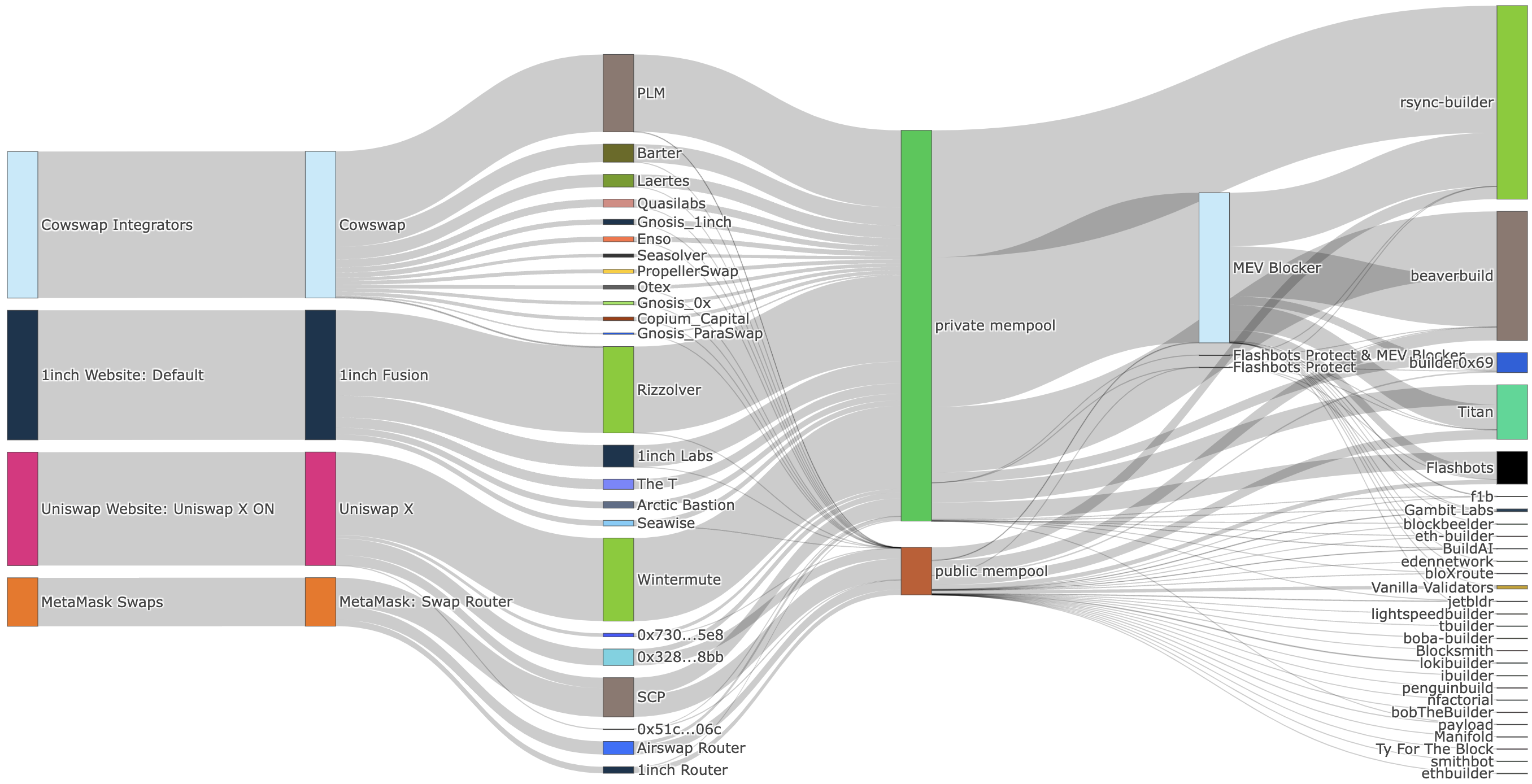
Bulk Trading: Aggregation for Cost Savings and Market Depth
Bulk trading refers to the process of bundling multiple transactions into a single batch. This approach offers several immediate advantages for DeFi participants:
- Gas Fee Reduction: By aggregating orders, users collectively pay less in gas fees compared to executing each transaction individually.
- Improved Execution Quality: Batching enables more effective order matching within the set, minimizing slippage and improving price discovery.
- Front-Running Mitigation: With all trades executed simultaneously within a batch, malicious actors have less opportunity to manipulate transaction order for profit (i. e. , sandwich attacks).
The rise of protocols like CoW Protocol has accelerated this trend. Their batch auction system leverages competitive solver bids to route trades efficiently, ensuring users receive optimal pricing while reducing MEV risks. This architectural shift is not only enhancing execution quality but also democratizing access to liquidity by making it less expensive and more predictable for all participants. For a deeper dive on how modular MEV auctions specifically improve DeFi trading efficiency, see this analysis.
Atomic Swaps: Unlocking Trustless Cross-Chain Arbitrage
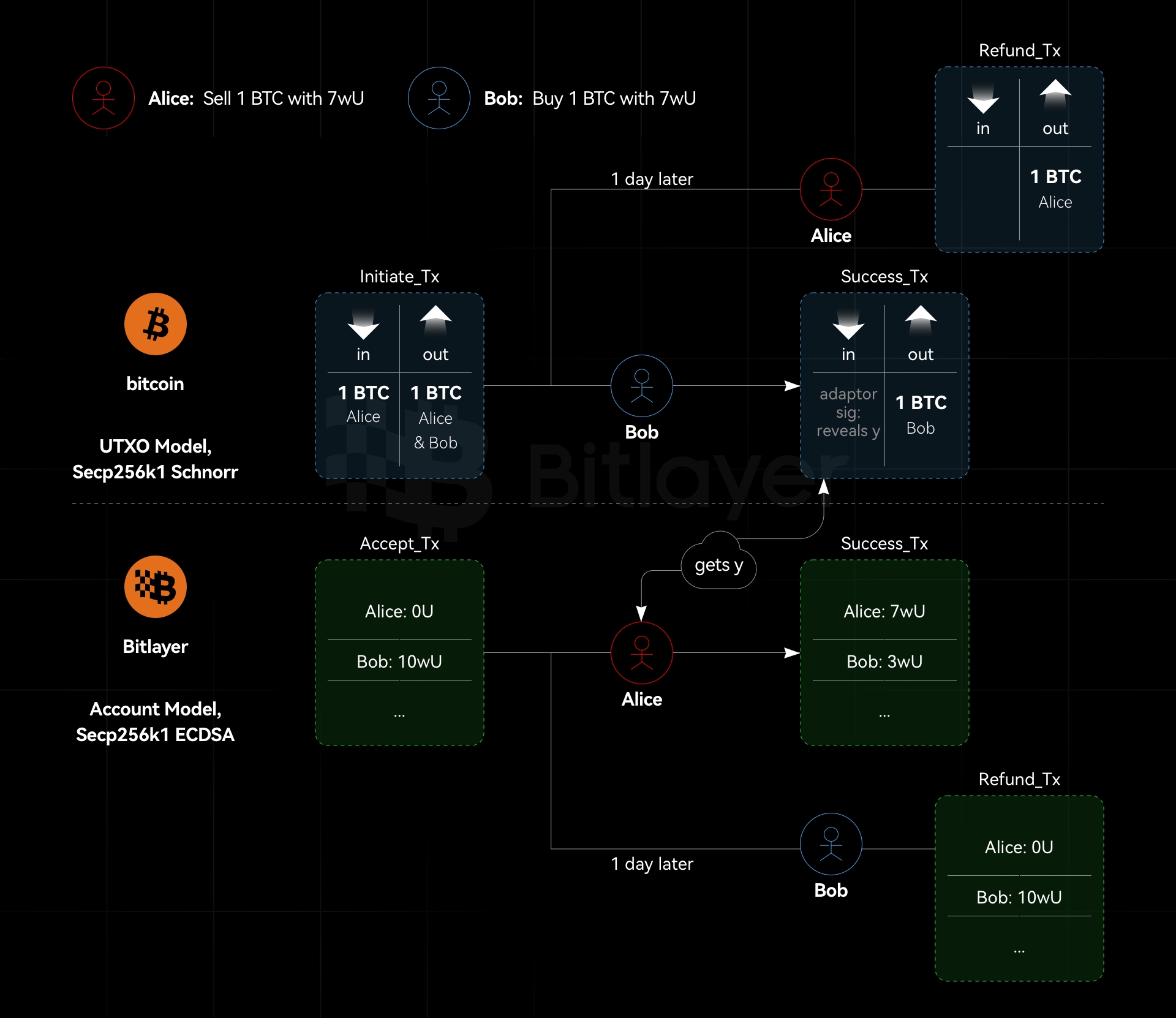
If bulk trading optimizes for intra-chain efficiency, atomic swaps are revolutionizing cross-chain interactions. An atomic swap is a cryptographically enforced exchange that ensures either both sides of a trade execute fully or neither does, eliminating counterparty risk entirely. In the context of MEV auctions, this means:
- Cross-Chain Liquidity Aggregation: Traders can exploit price differences across blockchains without needing centralized bridges or custodians.
- No Partial Fills or Settlement Risk: The all-or-nothing nature prevents incomplete trades that could otherwise lead to losses or arbitrage failures.
- Synchronized Arbitrage: Advanced implementations like Flashbots’ cross-rollup coordinators allow MEV bundles to execute atomically across multiple rollups, ushering in new forms of secure multi-domain arbitrage previously impossible with asynchronous strategies.
This innovation is particularly salient as DeFi becomes increasingly fragmented across multiple Layer 1s and rollups. Atomic swaps not only facilitate seamless value transfer but also contribute to tighter spreads and improved market efficiency by allowing capital to flow where it’s needed most, without trust assumptions or settlement delays.
The Broader Impact: Efficiency, Fairness, and Transparency in MEV Auctions
The integration of bulk trading and atomic swaps into modern MEV auction designs has far-reaching implications beyond technical optimization. These mechanisms directly address some of DeFi’s most persistent challenges:
- Fairer Value Distribution: By reducing exploitable latency (e. g. , front-running) and enabling simultaneous execution, value accrues more equitably among users rather than being siphoned off by sophisticated searchers.
- Transparent Orderflow Markets: Open auction systems allow third parties to bid competitively for blockspace or orderflow rights. This transparency aligns incentives between traders, solvers, and validators, promoting market integrity.
- Sustainable MEV Optimization (2025): As highlighted in recent research from Arkham and Flashbots, these innovations are making it possible to design MEV markets that maximize aggregate returns while minimizing systemic risk, a critical evolution as institutional capital continues flowing into DeFi at scale.
The next generation of platforms, including UniswapX’s intent-based architecture and CoW Protocol’s combinatorial batch auctions, are setting new standards for what’s possible in decentralized markets. As these tools mature, expect further reductions in transaction costs alongside improved user outcomes across both retail and institutional segments. For practical guidance on how bulk trade aggregation directly optimizes auction outcomes, explore our dedicated resource: How Bulk Trade and Atomic Transaction Bundling Optimize MEV Auctions in DeFi.
These advancements are not just theoretical. In practice, we are already seeing measurable improvements in DeFi transaction efficiency, with protocols reporting lower average gas costs per user and more consistent execution prices across volatile market conditions. The combination of bulk trading and atomic swaps is also catalyzing a new wave of cross-chain liquidity aggregation, giving rise to sophisticated arbitrage strategies that were previously impractical due to technical limitations or excessive risk.
Real-World Examples of Bulk Trading & Atomic Swaps in MEV Auctions
- CoW Protocol's Batch Auctions: By aggregating user trades into large batches, CoW Protocol minimizes slippage and reduces gas fees. Its solver competition mechanism ensures optimal execution and fairer value distribution in MEV auctions.
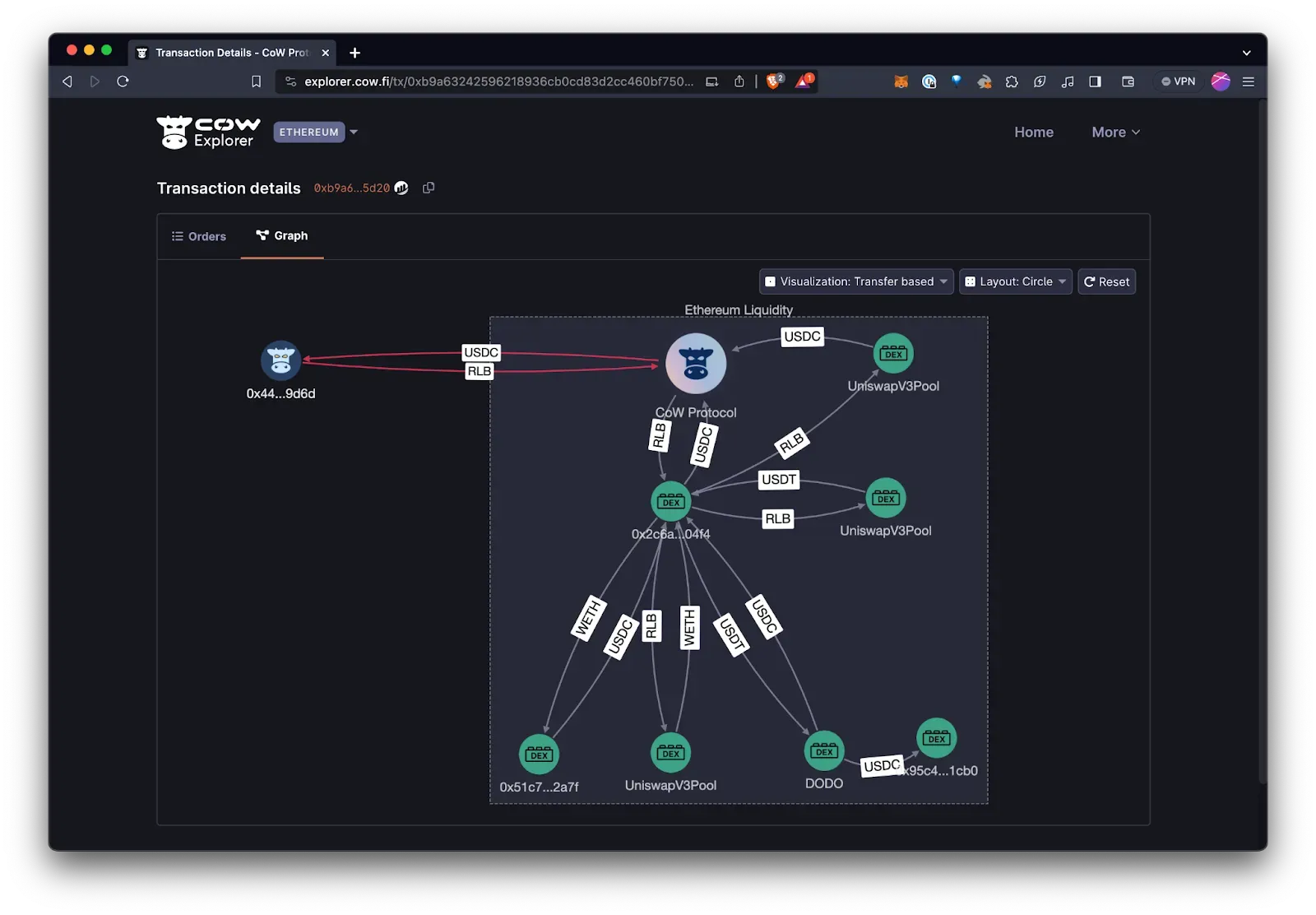
- Flashbots' Atomic Cross-Rollup Arbitrage: Flashbots pioneered atomic swaps across multiple Ethereum rollups, enabling secure, all-or-nothing arbitrage bundles that eliminate partial fill risk and improve MEV auction efficiency.
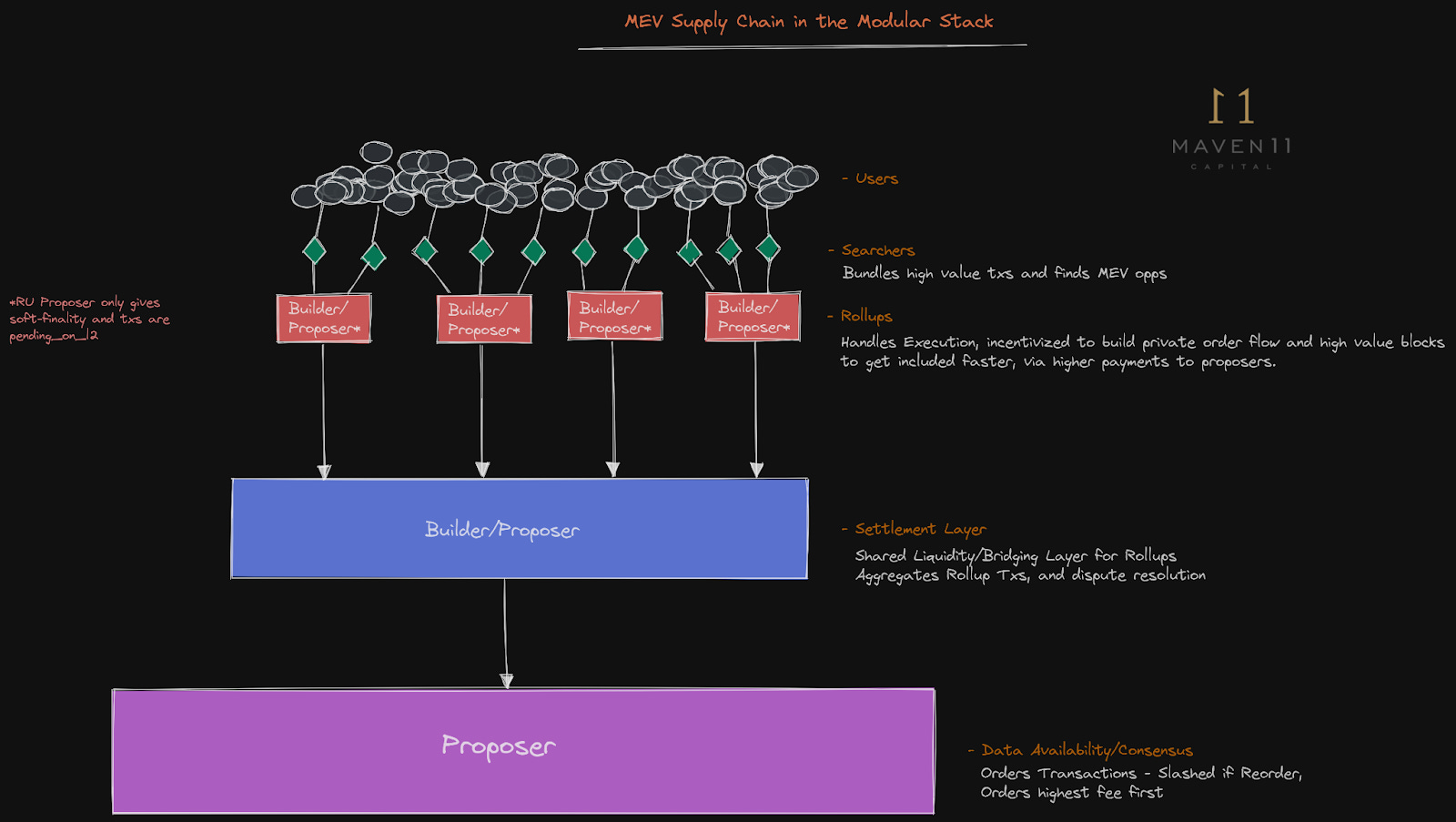
- UniswapX Orderflow Auctions: UniswapX leverages batch orderflow auctions to aggregate liquidity, reduce front-running, and maximize user returns by routing trades through competitive third-party fillers.
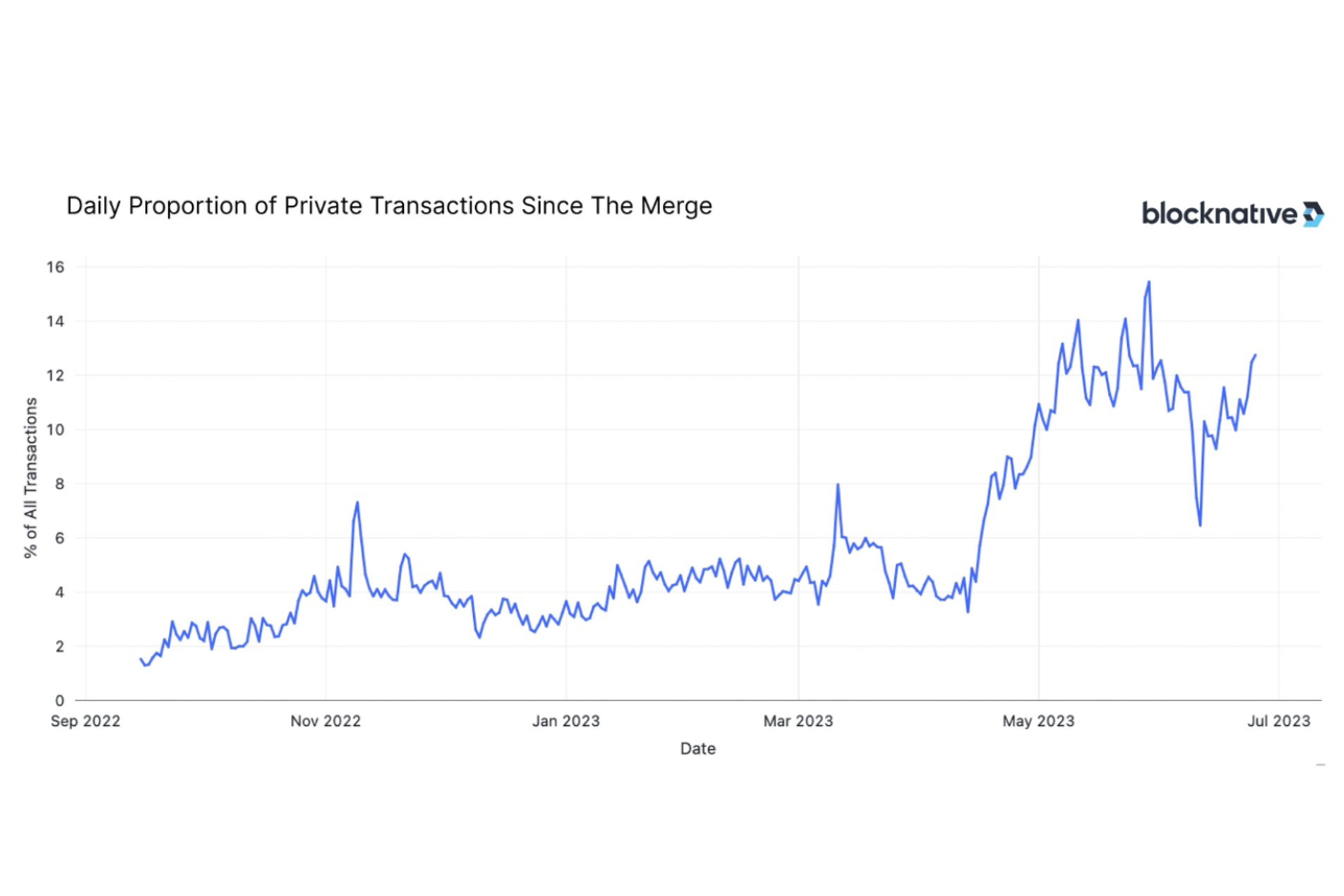
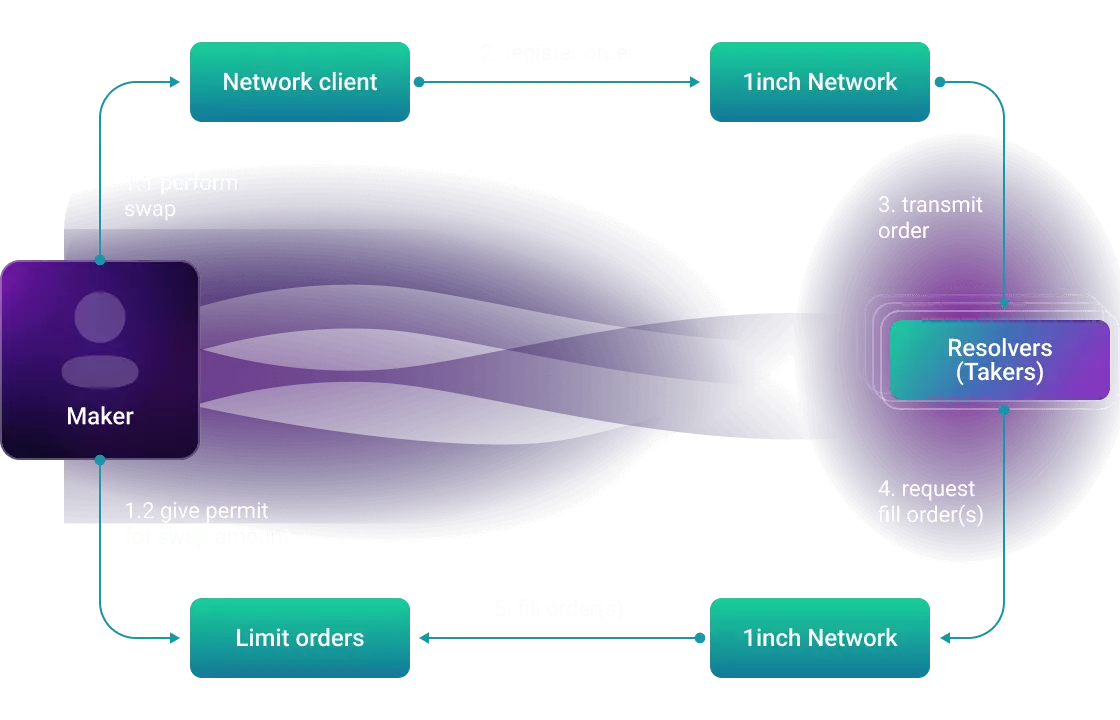
- 1inch Fusion's Intent-Based Architecture: 1inch Fusion implements an intent-centric system that batches user orders and matches them via competitive resolvers, enhancing transparency and minimizing MEV extraction.
- SIX Digital Exchange (SDX) Atomic Swaps: SDX consolidates digital asset trading on the Swiss Exchange, utilizing atomic swaps for secure, trustless exchange of cash and securities, thus improving fairness and execution in institutional MEV auctions.
Orderflow marketplaces now play a central role in this ecosystem, acting as neutral venues where searchers, solvers, and validators can compete transparently for the right to execute bundles. This increased competition translates directly into higher user rebates and tighter bid-ask spreads, key metrics for any trader optimizing for MEV extraction in 2025. For a deeper exploration of how these orderflow markets function within a modular framework, see our analysis at How Modular MEV Auctions Enhance Transaction Efficiency for DeFi Traders.
Navigating the New Market Structure: What Traders and Developers Need to Know
The rapid adoption of these technologies comes with new considerations. For traders, mastering batch auction mechanics and understanding how atomic swap protocols determine execution priority can provide significant edge. Developers must focus on integrating robust intent-based routing logic, ensuring that user-defined constraints (such as slippage tolerance or timing) are respected even as trades are bundled or routed across chains.
Security remains paramount. While atomic swaps eliminate many forms of counterparty risk, they introduce new attack surfaces related to cross-domain coordination and time-lock mechanisms. Staying abreast of best practices, and monitoring ongoing research from teams like Flashbots, is essential for anyone deploying capital or code in this space.
Looking ahead, the modular approach to MEV auctions, where components like bulk trading engines, atomic swap routers, and orderflow marketplaces can be mixed and matched, will be key to driving further innovation. As platforms continue to iterate on these primitives, expect increased interoperability between blockchains, more granular control over trade intents, and even greater transparency in value distribution.
Key Takeaways for 2025
- Bulk trading reduces costs while enhancing price discovery by aggregating orders.
- Atomic swaps unlock secure cross-chain arbitrage without intermediaries or settlement risk.
- Orderflow marketplaces align incentives through transparent competition for blockspace rights.
- The modular design ethos allows rapid adaptation as DeFi infrastructure evolves.
As DeFi enters this new phase of composability and efficiency, those who understand, and leverage, the interplay between bulk trading and atomic swaps will be best positioned to capture sustainable alpha while minimizing systemic risks. The future of MEV optimization is not just about extracting value but doing so with fairness and transparency at its core.




No comments yet. Be the first to share your thoughts!