
Modular mev in 2026: the new limits to account for
The modular MEV stack has shifted from theoretical architecture to operational reality. In 2026, the primary constraint is no longer hardware throughput but data availability and cross-layer latency. Optimizers now operate in a fragmented environment where block spaces are specialized rather than monolithic.
Profitability hinges on minimizing the time between transaction inclusion and finality across different execution layers. Builders must account for the cost of proving state transitions and the risk of reorgs in lighter rollups. The focus has moved from sheer volume to precision targeting of high-value, low-latency opportunities.
This section breaks down the specific operational constraints defining the current landscape. We examine how data availability costs, sequencing delays, and cross-chain bridging risks impact the bottom line for modern MEV extractors.
Modular mev 2026 choices that change the plan
Choosing a modular MEV architecture in 2026 requires balancing latency, cost, and censorship resistance. There is no single "best" stack; the right choice depends on your specific asset class and risk tolerance. Below, we break down the concrete factors you must evaluate before committing to a builder or sequencer infrastructure.
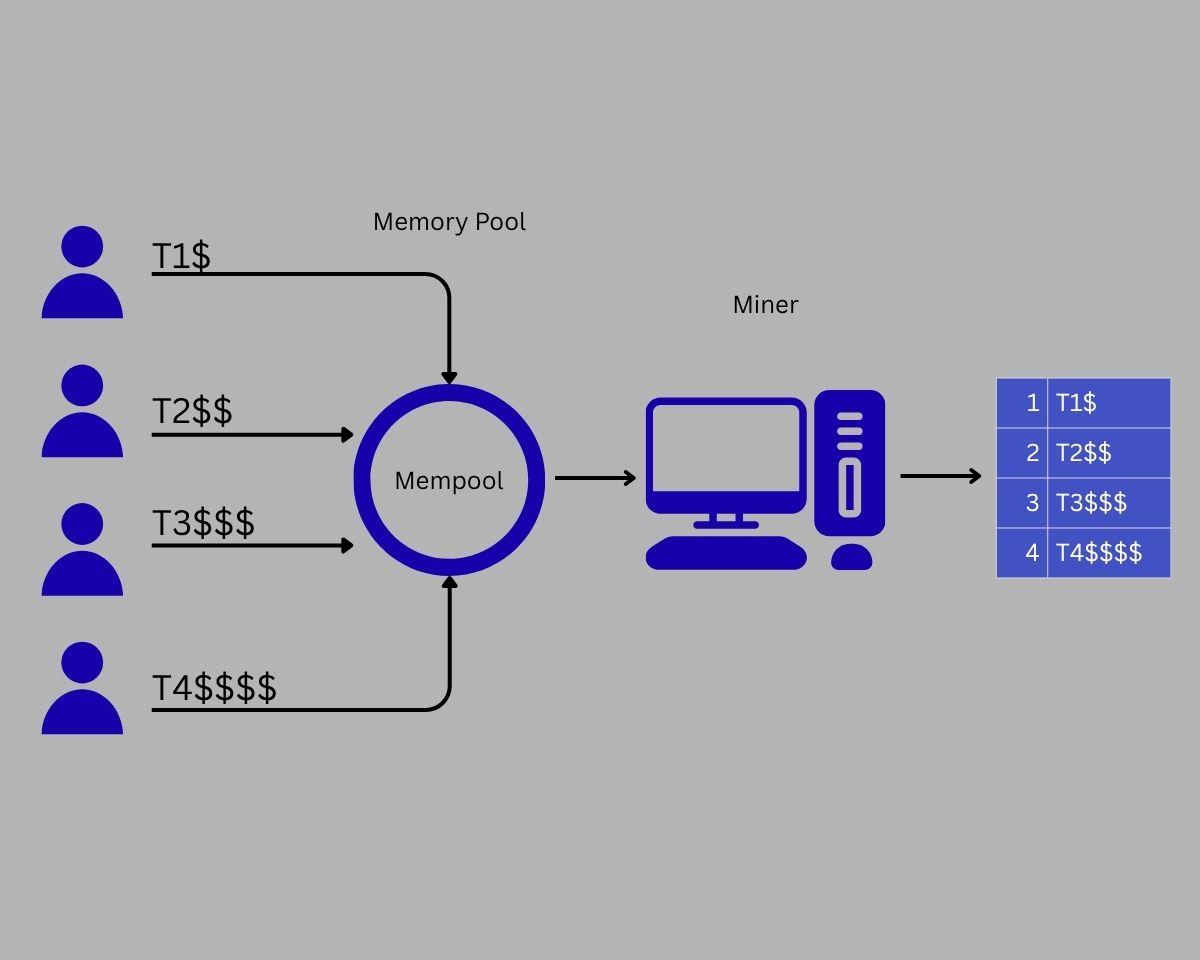
| Component | Latency | Censorship Resistance | Complexity |
|---|---|---|---|
| Private Mempool | Low | Low | Low |
| SUAVE/Co-processor | Medium | High | High |
| Distributed Sequencer | Low | Medium | High |
| Public Mempool + Front-running Protection | High | Medium | Low |
Latency vs. Profitability
Speed is often the primary driver for MEV extraction. Private mempools offer the lowest latency because transactions skip the public ordering phase entirely. However, this speed comes at the cost of censorship resistance, as a single centralized entity controls the flow. If your strategy relies on ultra-low-latency arbitrage between DEXs, a private channel may be necessary, but you must trust the sequencer not to drop your transactions.
Censorship Resistance and Trust
For long-term sustainability, censorship resistance matters more than raw speed. SUAVE-style co-processors allow builders to submit encrypted bundles that are evaluated in parallel, ensuring that no single sequencer can selectively censor profitable trades. This adds latency due to the encryption and parallel evaluation overhead, but it provides a stronger guarantee that your MEV opportunities will not be suppressed by a malicious operator.
Operational Complexity
The technical overhead of managing a modular stack can eat into your profit margins. Distributed sequencers require sophisticated networking and consensus mechanisms, increasing the risk of operational failures. In contrast, simpler setups using public mempools with front-running protection plugins are easier to deploy but often yield lower returns due to increased competition and slippage. Evaluate your team's capacity to maintain complex infrastructure before choosing a high-complexity stack.
Cost Efficiency
Finally, consider the gas and computational costs associated with each component. Private mempools often require higher gas bids to secure priority execution, while co-processors may charge fees for the parallel evaluation services. Calculate the net MEV after these costs to determine which tradeoff actually improves your bottom line in 2026.
Choose the next step
The Modular MEV Stack works best as a clear sequence: define the constraint, compare the realistic options, test the tradeoff, and choose the path with the fewest hidden costs. That order keeps the advice usable instead of decorative. After each step, pause long enough to check whether the recommendation still fits the reader's actual situation. If it depends on perfect timing, unusual access, or a best-case budget, include a simpler fallback.

Avoid the weak options
Use this section to make the The Modular MEV Stack decision easier to compare in real life, not just on paper. Start with the reader's actual constraint, then separate must-have requirements from details that are merely nice to have. A practical choice should survive normal use, maintenance, timing, and budget. If a recommendation only works in an ideal situation, call that out plainly and give the reader a fallback path.
The simplest way to use this section is to write down the must-have criteria first, then compare each option against those criteria before weighing nice-to-have features.
Modular mev 2026: what to check next
As Layer-2 optimizers mature, the mechanics of Maximal Extractable Value shift from brute-force extraction to sophisticated cross-chain routing. Here are the practical concerns teams face when deploying modular stacks in 2026.
No comments yet. Be the first to share your thoughts!