
Why modular MEV matters in 2026
The era of monolithic MEV extraction is ending. In 2026, cross-chain arbitrage is no longer a single-chain race; it is a multi-protocol puzzle that requires specialized infrastructure to solve efficiently. Monolithic searchers who rely on a single block builder or a unified mempool are facing diminishing returns as fragmentation increases across Layer 2s and independent L1s. Modular MEV separates the concerns of transaction ordering, execution, and settlement, allowing decentralized searchers to assemble custom stacks that target specific inefficiencies without the overhead of a one-size-fits-all node.
Consider the difference between a unified builder like Flashbots and a modular approach using SUAVE (Search-Unit-And-Validate Everywhere). In a monolithic setup, a searcher must compete for block space in a crowded, public mempool where front-running bots and sophisticated MEV bots fight for the same slots. In a modular stack, the search phase is isolated from execution. This separation enables private transaction pools, reducing the risk of sandwich attacks and allowing for more complex, multi-step arbitrage strategies that span multiple chains without exposing the intent prematurely.
This shift demands a new toolkit. Instead of relying on a single RPC endpoint, modern searchers use dedicated ordering services like Jito for Solana or Suave for cross-chain coordination, paired with custom execution engines like MEV-Boost or Proposer-Builder Separation (PBS) clients. By treating each component of the MEV pipeline as a replaceable module, infrastructure providers can offer specialized services that outperform generalist nodes. For 2026, the competitive edge lies not in having the fastest single chain, but in building the most agile and resilient modular stack across the entire ecosystem.
Top MEV-Boost alternatives for 2026
The default MEV-Boost relay has long been the standard for block builders, but its monolithic architecture struggles with the complexity of modern cross-chain arbitrage. As searchers require lower latency and native support for multi-chain execution, specialized alternatives have emerged to fill the gap. These tools offer modular components that integrate directly with your builder node, allowing for faster block construction and better profit extraction across disparate networks.
The following alternatives prioritize speed, chain compatibility, and modular flexibility. They are designed to handle the heavy lifting of cross-chain order routing and execution, reducing the friction that often limits arbitrage profitability.
| Protocol | Latency | Supported Chains | Modular Architecture |
|---|---|---|---|
| Flashbots | Low | EVM (Multi-chain) | High |
| BloXroute | Ultra-Low | Multi-chain (EVM/Solana) | Medium |
| EigenPhi | Low | EVM (Multi-chain) | High |
| Manifold | Low | EVM (Multi-chain) | High |
Flashbots remains the most widely adopted alternative, offering a robust, open-source framework that supports multiple EVM-compatible chains. Its modular design allows builders to plug in custom ordering policies and cross-chain execution logic, making it ideal for searchers who need fine-grained control over their arbitrage strategies. The latency is competitive, though it relies on a distributed network of relays that can vary by region.
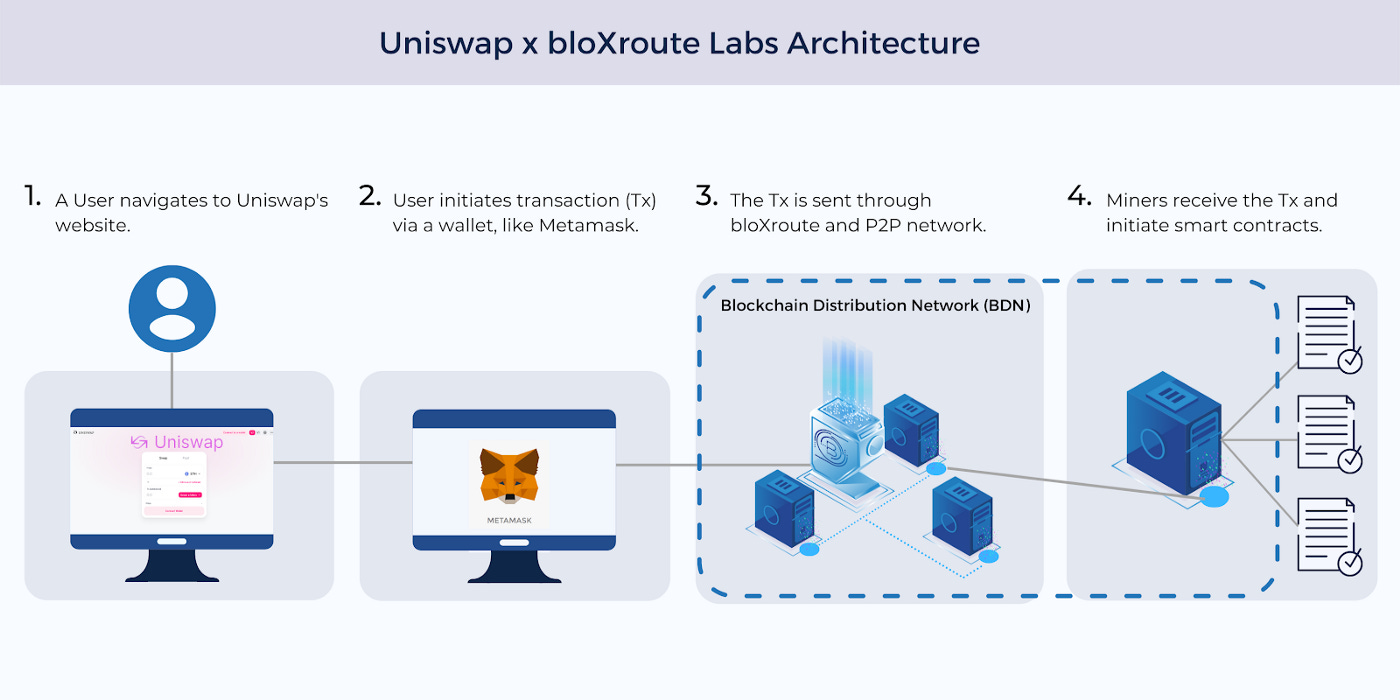
BloXroute focuses on ultra-low latency through its proprietary Global Message Network (GMN). By leveraging a decentralized network of nodes, it delivers blocks to builders faster than traditional HTTP-based relays. This speed advantage is critical for cross-chain arbitrage, where milliseconds determine profitability. While its modularity is slightly less flexible than Flashbots, its execution speed is unmatched for high-frequency trading bots.
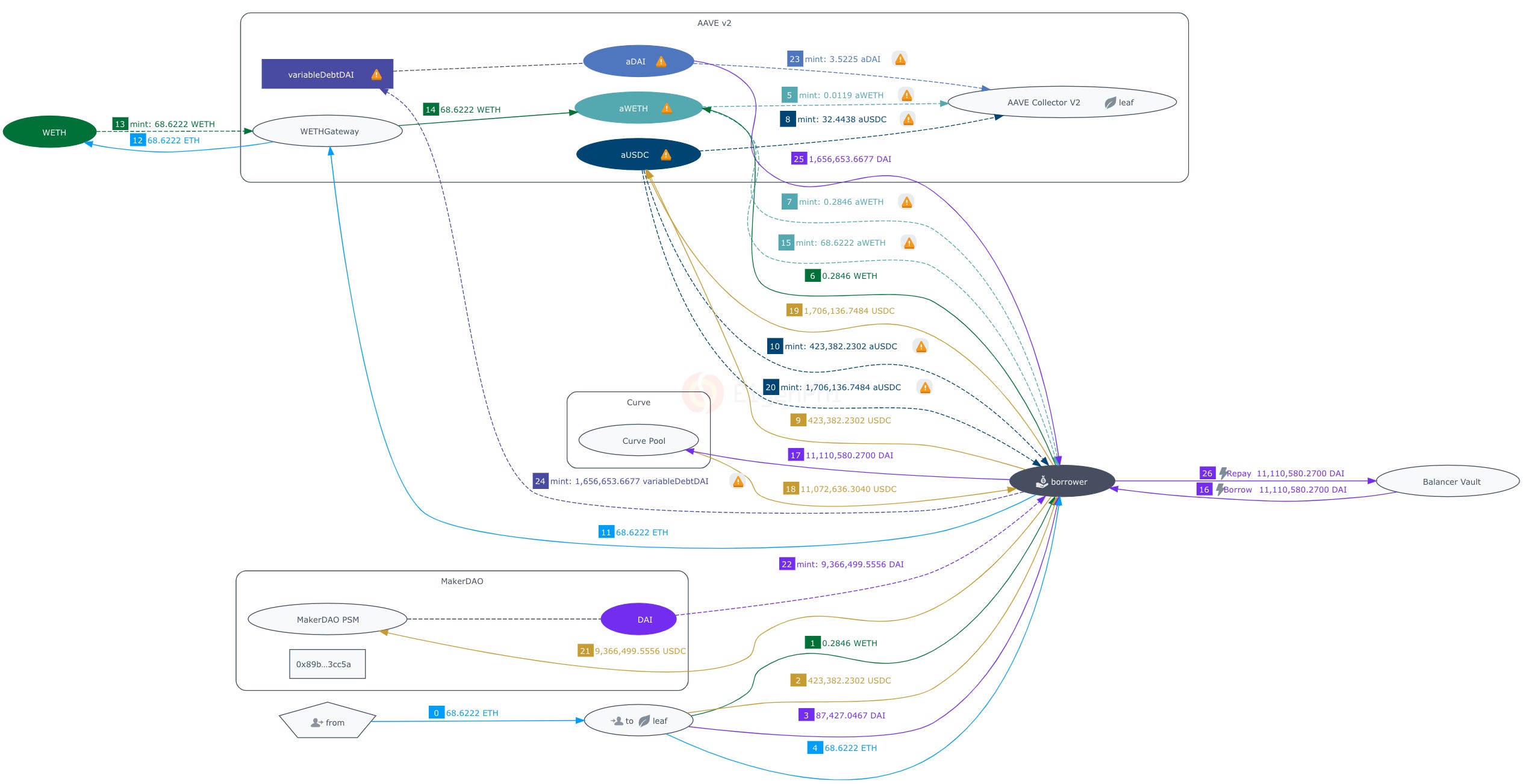
EigenPhi and Manifold offer specialized tools for searchers who prioritize data analytics and modular integration. EigenPhi provides deep insights into MEV opportunities across chains, while Manifold offers a streamlined interface for integrating with various builder nodes. Both protocols support multi-chain operations, ensuring that searchers can execute arbitrage trades without switching between multiple infrastructure providers.
When choosing an alternative, consider your specific needs: if speed is paramount, BloXroute is the clear choice. If you need maximum flexibility and control, Flashbots or Manifold are better suited for complex, cross-chain arbitrage workflows.
Best interoperability protocols for arbitrage
Cross-chain arbitrage relies entirely on the speed and reliability of the bridges connecting isolated liquidity pools. Without low-latency messaging, price discrepancies evaporate before a transaction settles. Selecting the right interoperability layer is the difference between capturing spread and watching it disappear.
LayerZero
LayerZero remains a foundational choice for MEV searchers due to its omnichain infrastructure. By decoupling the transport layer from consensus, it allows protocols to deploy across multiple chains without managing individual node connections. This architecture reduces the overhead required to maintain cross-chain state, making it ideal for high-frequency arb bots that need to trigger actions on disparate networks simultaneously.
Wormhole
Wormhole provides a highly optimized message-passing protocol that prioritizes speed. Its guardrails and verified message passing ensure that tokens moving between chains arrive intact, a critical requirement for atomic arbitrage strategies. Because it supports a wide array of EVM and non-EVM chains, it serves as a versatile backbone for searchers operating in fragmented liquidity environments.
Hyperlane
Hyperlane offers a modular framework that allows teams to customize their own interchain routing. For specialized MEV stacks, this flexibility means you can optimize gas estimation and routing paths specifically for your bot’s needs. It avoids the one-size-fits-all constraints of other protocols, enabling more precise control over cross-chain execution timing.
Decentralized searchers and their tools
Use this section to make the Best Modular MEV Infrastructure for Cross-Chain Arbitrage decision easier to compare in real life, not just on paper. Start with the reader's actual constraint, then separate must-have requirements from details that are merely nice to have. A practical choice should survive normal use, maintenance, timing, and budget. If a recommendation only works in an ideal situation, call that out plainly and give the reader a fallback path.
The simplest way to use this section is to write down the must-have criteria first, then compare each option against those criteria before weighing nice-to-have features.
How to build your modular MEV stack
Assembling a modular MEV stack requires connecting specialized components rather than relying on a single monolithic node. This approach allows you to optimize each layer—extraction, ordering, and execution—for specific cross-chain arbitrage opportunities. By decoupling these functions, you can swap out individual parts to adapt to changing market conditions or protocol upgrades without rebuilding your entire infrastructure.
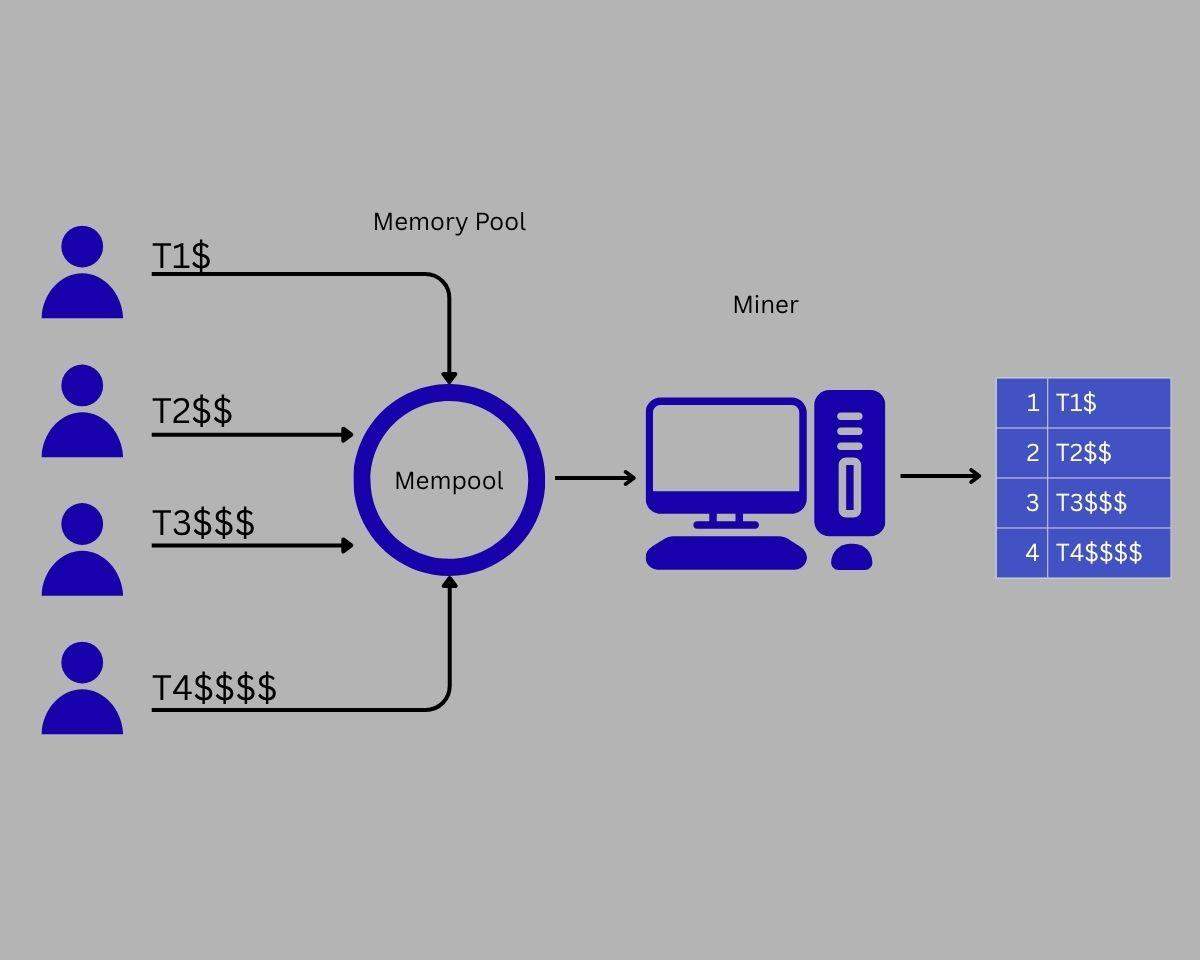
Start by configuring your execution environments. Use tools like Flashbots Protect or private RPC endpoints from providers such as Alchemy or QuickNode to submit transactions directly to builders. This minimizes front-running risk and ensures your arbitrage legs execute in the intended order across different chains.

Integrate cross-chain messaging protocols like LayerZero or Chainlink CCIP to coordinate state changes between networks. Your stack must verify liquidity availability on the destination chain before committing capital on the source chain. This synchronization is critical for capturing spreads that exist only when both sides of the trade are simultaneously viable.

Deploy routing algorithms that evaluate gas costs, slippage, and latency across multiple DEXs. Tools like 1inch or Paraswap API can help identify the most profitable paths for arbitrage. Your custom logic should prioritize routes that maximize profit after accounting for the complex gas dynamics of cross-chain transactions.

Continuously monitor gas prices and builder preferences. Use tools like BloxRoute or Eden Network to access the most competitive block space. Real-time data feeds allow your stack to adjust bidding strategies dynamically, ensuring you remain competitive in high-frequency arbitrage scenarios where margins are thin.
Building this stack is an iterative process. Begin with a simple two-chain setup and gradually add complexity as you refine your routing logic and execution speed. Focus on reliability first; a stable, well-tested stack will outperform a complex but fragile one in the long run.
Common questions about modular MEV
Helpful gear
Use these product recommendations as a starting point, then choose the size, material, and price point that fit how you actually use the gear.


As an Amazon Associate, we may earn from qualifying purchases.
No comments yet. Be the first to share your thoughts!