

Real-time blockspace markets are rapidly redefining the landscape of MEV auctions in decentralized finance (DeFi), introducing a new era of efficiency, transparency, and strategic opportunity. As MEV - maximal extractable value - continues to account for a significant portion of network activity (hovering around 10% of block space in typical weeks, and surging even higher during periods of volatility), the need for smarter, fairer allocation mechanisms has never been greater. The shift from brute-force transaction spamming to transparent, price-based auctions represents a fundamental change in how value flows through DeFi ecosystems.
Why Real-Time Blockspace Markets Matter for MEV Auctions
At its core, a real-time blockspace market is a dynamic platform where transaction space within each block is continuously auctioned off to the highest bidder. This approach is not just about maximizing revenue for validators or miners - it’s about enabling true price discovery for blockspace and aligning incentives across all participants. By shifting competition from network spamming to open bidding, these markets create a more level playing field and reveal the genuine demand for transaction inclusion.
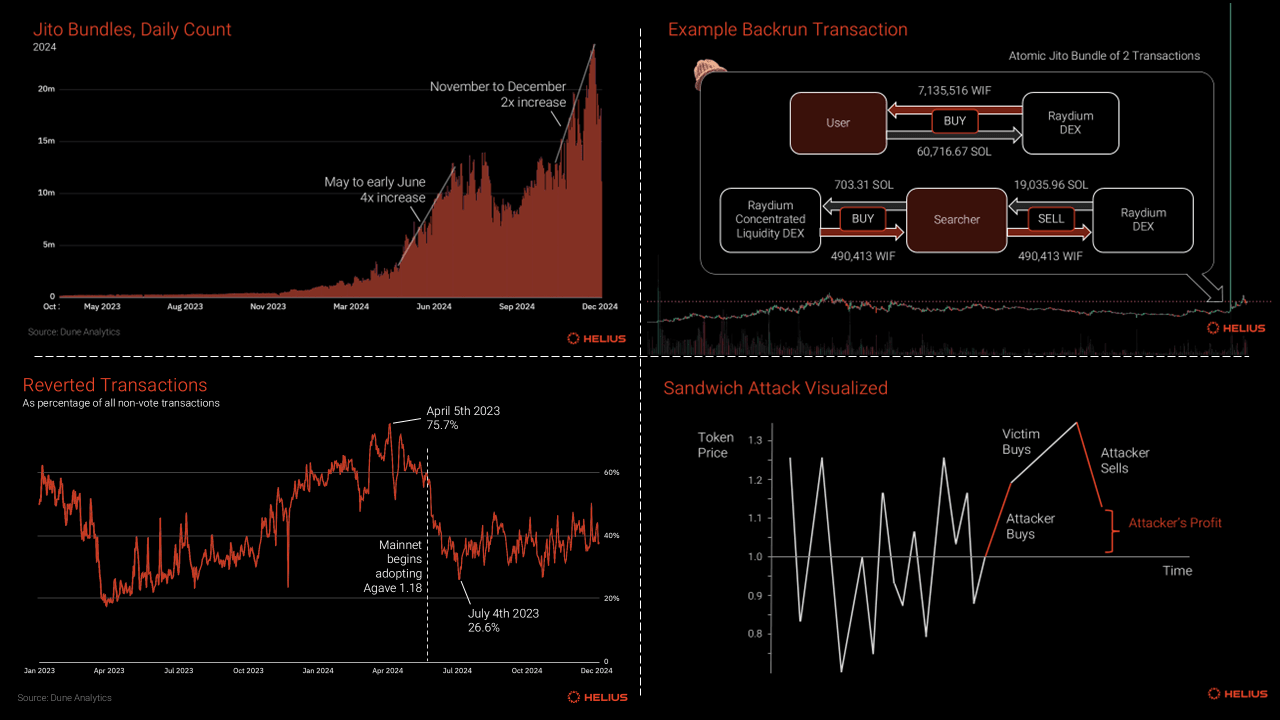
Historically, MEV extraction has led to network congestion, unpredictable gas spikes, and an uneven distribution of profits. In extreme cases, as much as 40% of Solana’s blockspace has been consumed by MEV-related spam, distorting fee markets and undermining scalability. Real-time auctions directly address these pain points by:
- Promoting fairness and transparency: Every participant gets a shot at transaction inclusion, not just those with superior infrastructure.
- Reducing congestion: Efficient blockspace allocation means less spam and smoother network performance overall.
- Distributing revenue more equitably: Auction-based models allow a broader range of actors to capture MEV, not just a handful of privileged validators or builders.
This evolution is not theoretical - it’s unfolding in real time, with platforms like Ethereum’s Flashbots, Solana’s Jito Auctions, and Arbitrum’s Timeboost leading the charge. Each implementation offers unique trade-offs in terms of centralization risk, technical complexity, and economic impact, but all share the same fundamental goal: to bring order and transparency to the business of blockspace.
Case Studies: Flashbots, Jito, and Timeboost
Ethereum: The Flashbots auction system has become the backbone of MEV extraction on Ethereum, with block-building rights bid openly every 12 seconds and validators retaining 95% of MEV revenue. This model reinforces demand for ETH and supports network security while minimizing the chaos of gas wars.
Solana: Jito Auctions have brought similar innovation to Solana’s high-throughput environment. Here, block-building rights are auctioned in SOL, with roughly 60% of MEV value captured by builders and 40% by validators. This approach helps optimize validator incentives and redistributes MEV revenue more broadly across the ecosystem.
Arbitrum: Timeboost introduced an express lane for transaction sequencing, auctioning short-term priority access. While promising, empirical studies reveal that centralization and spam mitigation remain challenges, highlighting the need for ongoing refinement and vigilance.
For a deeper dive into how these systems are shaping the future of on-chain trading, see this detailed analysis.
The Strategic Impact: Efficiency, Fairness, and New Risks
The arrival of real-time blockspace markets is not a panacea. As competition shifts from raw transaction volume to sophisticated bidding strategies, new risks emerge - most notably the potential for centralization if a handful of actors consistently outbid others. Complexity and accessibility also remain hurdles, especially for less technically savvy users who may struggle to navigate auction interfaces or optimize their bids.
Nonetheless, the benefits are tangible: reduced network congestion, more predictable transaction fees, and a more transparent flow of value across DeFi protocols. As these systems mature, they promise not just incremental improvements but a wholesale reimagining of how blockspace is bought, sold, and utilized.
What’s especially noteworthy is how real-time blockspace markets facilitate genuine price discovery for blockspace itself. Rather than letting brute-force bots and opaque mempool tactics dictate transaction ordering, these markets establish a clear, competitive process for prioritizing value. This clarity allows traders and protocols to make better decisions about when and how to route their orderflow, optimizing not just for speed but also for cost and execution quality.
For DeFi strategists and developers, this shift unlocks new layers of opportunity, and responsibility. The ability to monitor live auction data, analyze historical bidding patterns, and adjust strategies in real time is now essential. Platforms like Modular Mev Auctions are responding by offering advanced analytics and actionable insights tailored to the evolving needs of both professional traders and protocol architects. Explore how real-time MEV auction data enhances DeFi transaction optimization for a closer look at these tools in action.
What’s Next for Blockspace Markets in DeFi?
The next phase of innovation will likely focus on addressing the remaining pain points: reducing centralization risk, simplifying user interfaces, and ensuring that fee dynamics don’t price out smaller participants. We’re already seeing experiments with alternative auction formats, such as batch auctions or hybrid models, that could help further democratize access to blockspace.
At the same time, there’s a growing recognition that MEV auctions are not just a technical challenge but an economic one. The design of these markets will shape everything from validator incentives to the composability of DeFi protocols. As more orderflow migrates to transparent marketplaces, we may see new business models emerge, ones that reward not just speed or capital but also creativity in routing and execution.
For those navigating this landscape, adaptability is key. The most successful actors will be those who can synthesize market data, anticipate shifts in auction dynamics, and deploy strategies that balance efficiency with fairness. Whether you’re building trading infrastructure or optimizing your own transactions, understanding the nuances of real-time blockspace markets is no longer optional, it’s foundational.
For further insights into how these trends are shaping on-chain trading efficiency across ecosystems like Ethereum and Solana, check out this resource on Modular MEV Auctions.



No comments yet. Be the first to share your thoughts!