
As blockchain networks mature, the competition for blockspace has intensified, prompting a wave of innovation in how transactions are prioritized and included. Modular MEV auctions have emerged as a breakthrough, transforming the landscape of real-time blockspace markets and offering new pathways for efficiency, fairness, and scalability. In this article, we explore how these auctions are reshaping both the technical and economic foundations of decentralized finance.
Stylized diagram illustrating modular MEV auctions segmenting blockchain blockspace into different transaction types, highlighting α-blockspace and β-blockspace modules.

The Evolution from Monolithic to Modular Blockspace Markets

Historically, blockchains handled transaction inclusion through a single, undifferentiated auction: users bid to have their transactions included in the next block, and miners or validators selected those with the highest fees. While simple in design, this approach led to congestion and centralization. Entities with superior resources could consistently outbid others, resulting in suboptimal transaction execution and higher costs for average users.

Modular MEV auctions challenge this paradigm by segmenting blockspace into distinct modules tailored to specific transaction priorities. For example:

  • α-blockspace: Reserved for high-priority or time-sensitive orders
  • β-blockspace: Allocated to lower-priority or less urgent transactions

This bifurcated structure allows for more precise resource allocation and pricing mechanisms. Instead of one-size-fits-all bidding wars, users can target their bids according to their true needs, a critical step toward a fairer orderflow marketplace blockchain ecosystem.

Key Innovations in Modular MEV Auctions

The shift toward modularity is not just about splitting up blockspace. It’s also about rethinking market mechanics at every layer. Several core innovations underpin modern blockspace market solutions:

How Modular MEV Auctions Work: A Step-by-Step Illustrated Guide
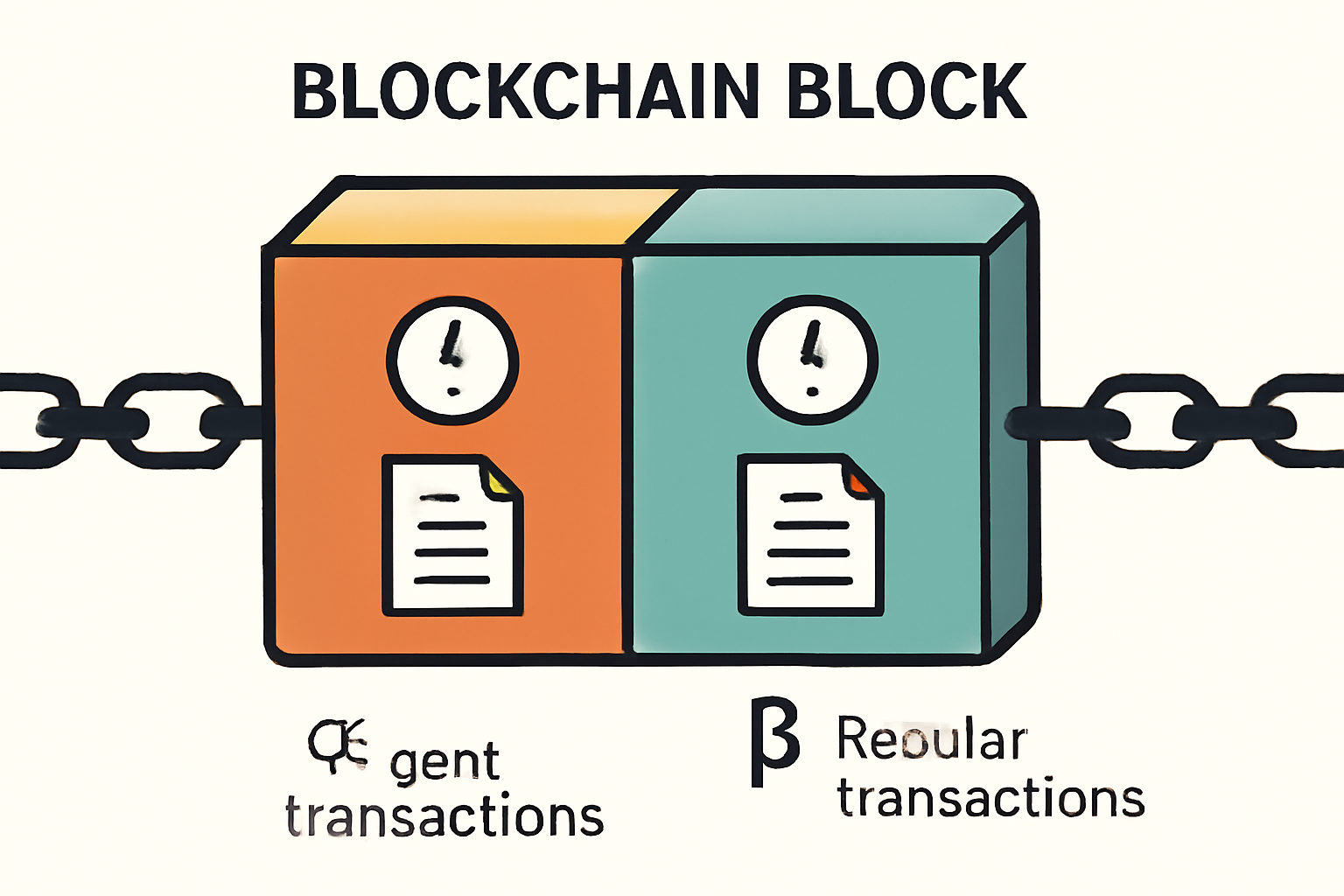
A stylized blockchain block split into two colored sections, labeled alpha (α) and beta (β), with icons representing urgent and regular transactions in each segment, digital art, clear labels
Segmenting Blockspace: The Bifurcated Block Structure
Modular MEV auctions start by dividing each block into distinct segments, such as α-blockspace for high-priority, time-sensitive transactions and β-blockspace for lower-priority ones. This segmentation allows for tailored allocation and pricing, ensuring that urgent transactions get the resources they need while optimizing overall block usage.
A graph with a fluctuating line representing demand, and adjustable block shapes expanding and contracting in response, digital illustration, modern style
Dynamic Supply: Elastic Blockspace Scheduling
The system continuously adjusts the supply of blockspace in response to real-time demand. This prevents drastic price swings and keeps the market balanced, making transaction fees more predictable for users and helping blockchains scale more efficiently.
A calendar with highlighted future dates, overlaid with contract documents and blockchain symbols, digital art, clear and simple
Planning Ahead: Contract-Based Bidding
Participants can secure future blockspace by entering forward contracts. This allows users and services to plan their transaction needs in advance, locking in resources and prices before they are needed, which helps with budgeting and reduces uncertainty.
A digital auction scene with diverse bidders, a gavel, and a balanced scale, showing fairness and inclusivity, digital illustration
Fairer Auctions: Enhanced Mechanisms and Tie-Breakers
Innovative auction mechanisms, such as improved tie-breaking rules and exclusive relay endpoints for validators, ensure that transaction inclusion is fair and efficient. These features reduce the influence of resource-rich entities and promote a more equitable environment for all participants.
A vibrant blockchain network with interconnected nodes, diverse users, and a glowing fair market symbol at the center, digital art, inclusive and optimistic
Market Impact: Decentralization, Scalability, and Fairness
By combining these features, modular MEV auctions foster a decentralized, scalable, and fair blockspace market. They help prevent congestion, reduce spam, and ensure that all users have a transparent and equitable chance to have their transactions included.
  • Elastic Supply Scheduling: The supply of blockspace is dynamically adjusted based on demand. This elasticity helps stabilize prices during surges in network activity, a major improvement over fixed-supply models that often suffer from volatility.
  • Contract-Based Bidding: Participants can secure future blockspace via forward contracts. This mechanism enables sophisticated planning and risk management strategies previously unavailable in traditional setups.
  • Enhanced Auction Rules: Modern designs introduce improved tie-breaking procedures and exclusive relay endpoints for validators. These tweaks reduce manipulation risks and ensure that transaction inclusion is governed by transparent criteria.

Together, these features create a more nuanced real-time MEV auction data landscape, one where all participants can compete on equal footing regardless of capital or technical sophistication.

The Impact on Decentralization and Scalability

The implications of modular MEV auctions extend well beyond technical optimization; they strike at the very heart of blockchain’s mission: decentralization. By mitigating the dominance of well-resourced actors, these systems foster a more competitive environment where smaller players can participate meaningfully in transaction execution optimization.

This shift also addresses scalability bottlenecks caused by MEV-induced congestion, a persistent issue noted by researchers analyzing network performance (source). By reducing spam and optimizing which transactions are included where, modular approaches unlock higher throughput without sacrificing fairness or transparency.

As these innovations gain traction, we’re witnessing a realignment of incentives across the decentralized finance MEV strategies landscape. Protocols, validators, and traders are adapting to new norms where access to blockspace is no longer dictated solely by fee wars or opaque relationships, but by transparent, programmable market mechanisms.

For developers and institutions, the modular approach unlocks new opportunities for custom transaction flows and cross-protocol integrations. By leveraging contract-based bidding and segmented blockspace, teams can design workflows that prioritize user experience or security guarantees, without being forced into one-size-fits-all solutions. This flexibility is especially valuable in complex DeFi ecosystems where composability and predictability are paramount.

Real-Time Auction Data: Transparency in Action

One of the most tangible benefits of modular MEV auctions is the proliferation of real-time MEV auction data. Platforms now offer granular analytics on orderflow marketplace blockchain activity, enabling participants to monitor auction dynamics as they unfold. This visibility empowers users to adjust strategies in response to shifting demand or emerging threats, an essential capability in fast-moving markets.

How to Use Real-Time MEV Auction Data to Optimize Blockspace Strategies
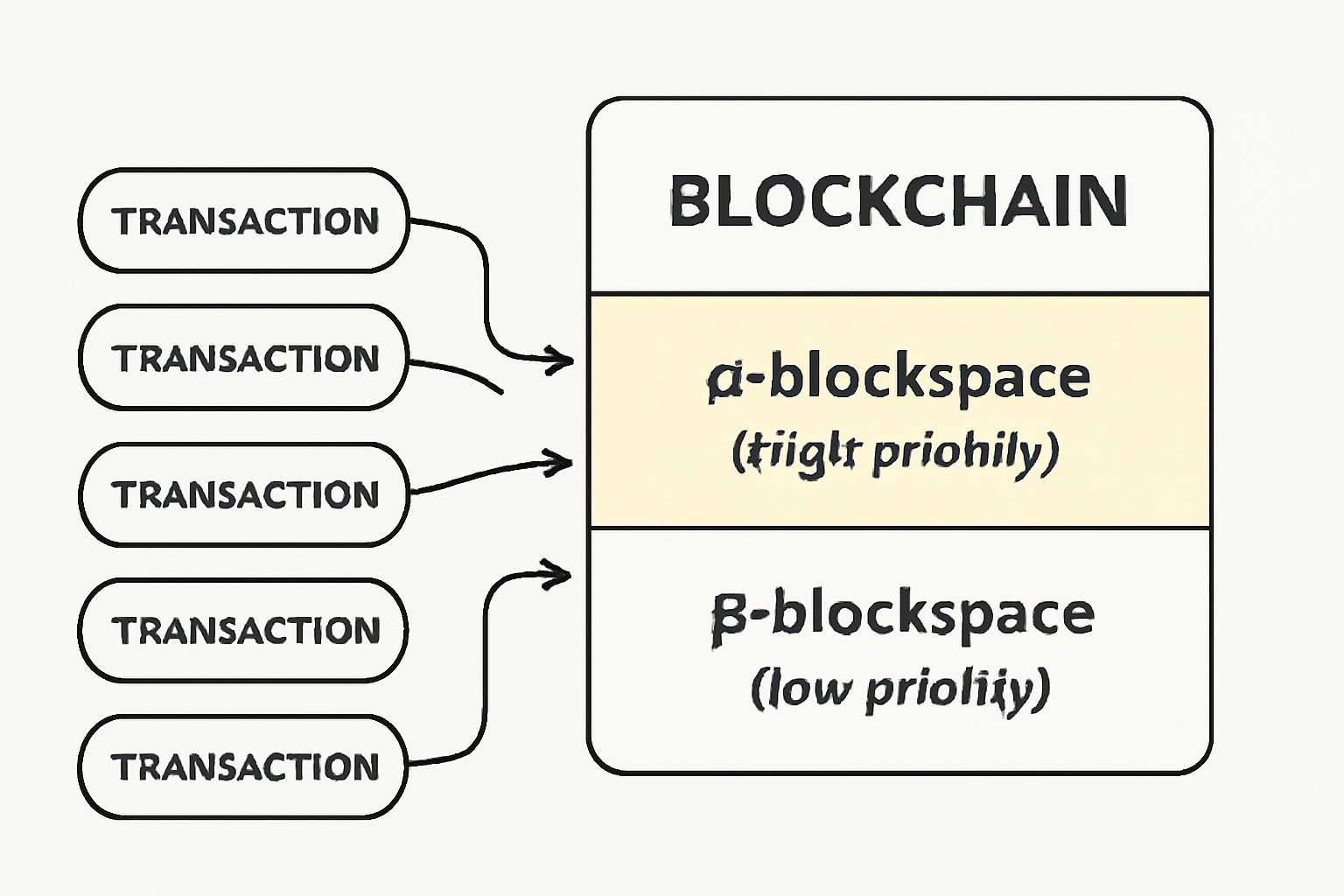
A diagram illustrating a blockchain block divided into two segments: one labeled α-blockspace (high-priority) and the other β-blockspace (low-priority), with arrows showing transaction flows.
Understand Modular MEV Auction Structures
Begin by familiarizing yourself with the bifurcated block structure of modular MEV auctions. Recognize the distinction between α-blockspace (for high-priority, time-sensitive transactions) and β-blockspace (for lower-priority transactions). This understanding will help you identify where your transactions fit and how to prioritize them.
A computer screen displaying live charts and graphs of MEV auction data, with fluctuating prices and transaction volumes.
Monitor Real-Time Auction Data Feeds
Access real-time data from MEV auction marketplaces. These feeds provide insights into current demand, pricing, and transaction types occupying each blockspace segment. Monitoring this data helps you spot patterns and anticipate shifts in blockspace competition.
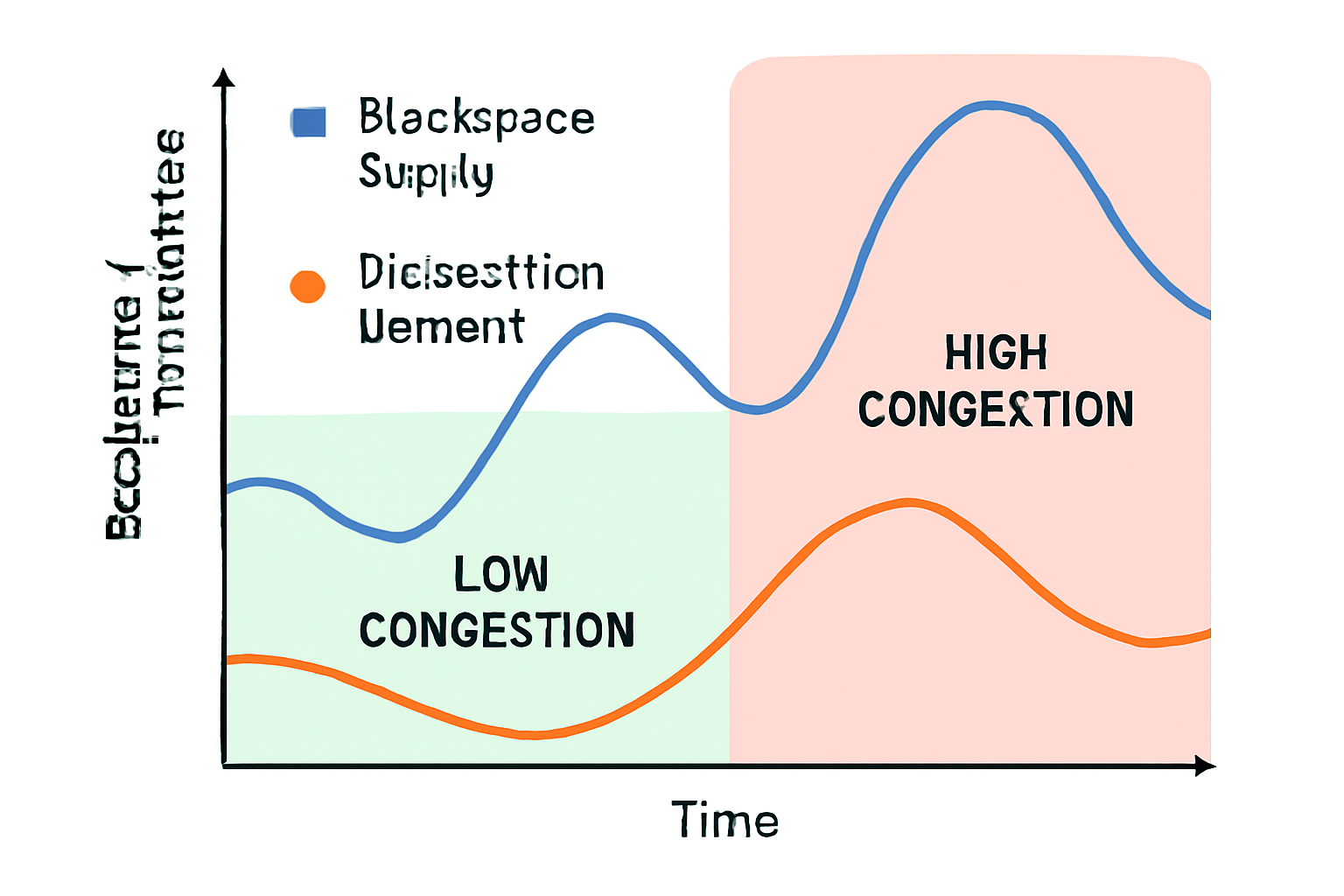
A dynamic graph showing blockspace supply rising and falling in sync with transaction demand, with highlighted low and high congestion periods.
Analyze Elastic Supply Scheduling
Observe how blockspace supply adjusts dynamically in response to market demand. Elastic supply scheduling helps prevent drastic price swings. By tracking these adjustments, you can time your transactions for periods of lower congestion and more favorable pricing.
A calendar with marked dates and contract icons, representing scheduled blockspace reservations secured in advance.
Leverage Contract-Based Bidding for Planning
Utilize forward contracts available in modular MEV auctions to reserve future blockspace. This allows you to lock in prices and secure inclusion for your critical transactions, reducing uncertainty and optimizing costs.
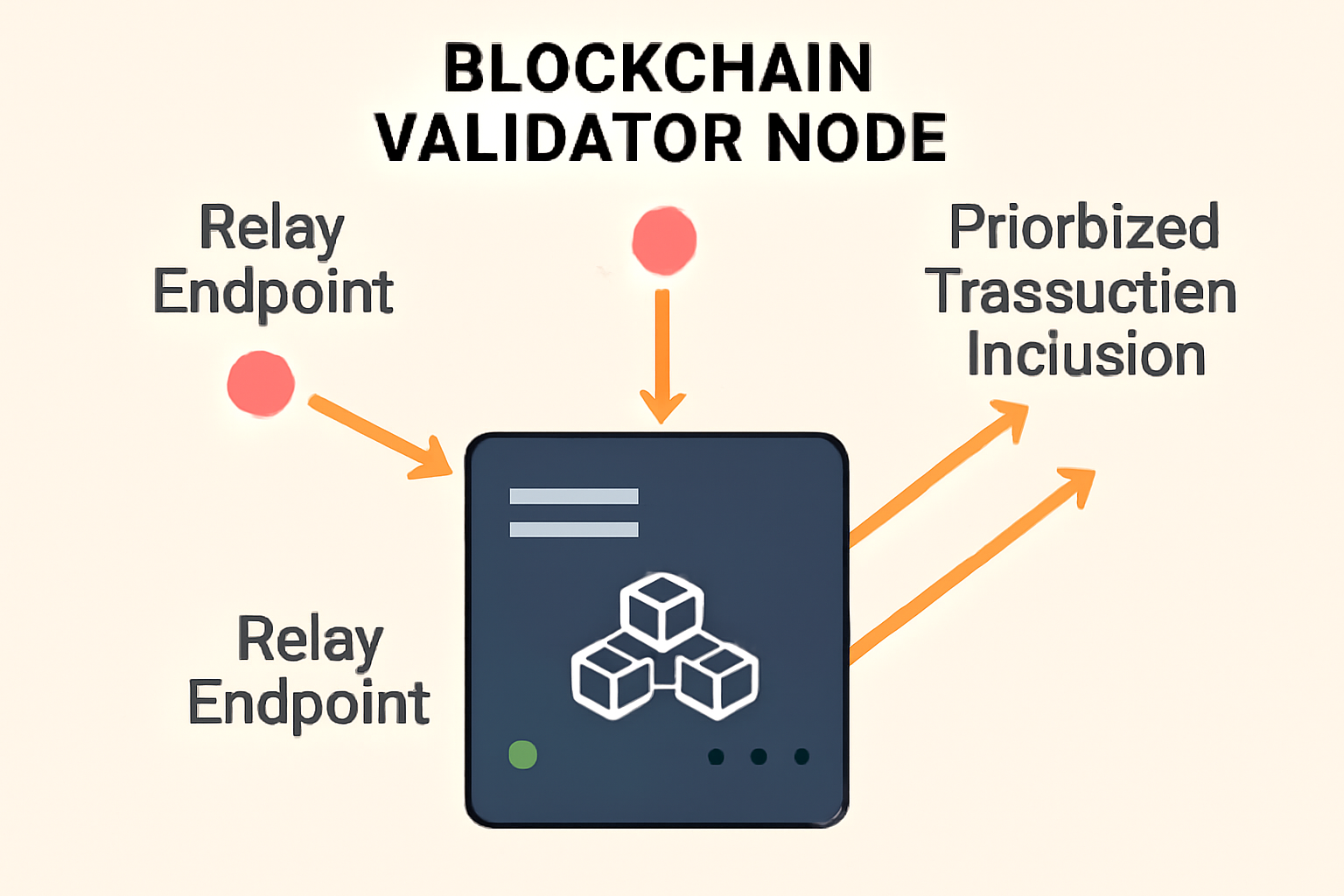
A close-up of a blockchain validator node, with highlighted relay endpoints and arrows showing prioritized transaction inclusion.
Optimize Transaction Placement Using Auction Mechanisms
Take advantage of enhanced auction mechanisms, such as improved tie-breaking rules and exclusive relay endpoints. These features can increase the likelihood of your transactions being included efficiently and fairly, especially during high-demand periods.
A person analyzing performance charts and adjusting strategy notes, with a blockchain network in the background.
Continuously Refine Strategies Based on Market Feedback
Regularly review your outcomes and adjust your strategies based on the latest auction data and blockspace market trends. Stay informed about new modular MEV auction features and evolving best practices to maintain a competitive edge.

Transparency also builds trust. As users see exactly how their bids are processed and how blockspace is allocated, confidence grows in both the fairness and efficiency of the system. Over time, this could help onboard new classes of participants, from institutional allocators seeking predictable execution to retail users demanding equitable access.

Risks and Open Questions

No market mechanism is without tradeoffs. While modular MEV auctions address many longstanding issues, they introduce new complexities around cross-rollup coordination and potential fragmentation. For example, as Ethereum’s rollup-centric roadmap accelerates (source), ensuring that modular auctions remain interoperable across Layer 2s will be critical for sustained scalability.

There are also open questions about validator incentives: will exclusive relay endpoints inadvertently create new forms of centralization? How can auction rules be continuously refined to prevent emergent manipulation tactics? The answers will depend on ongoing research, community governance, and transparent feedback loops between protocol designers and end-users.

Modular MEV Auctions: Transforming DeFi Blockspace Markets

What are modular MEV auctions and how do they differ from traditional blockspace markets?
Modular MEV auctions are a new approach to managing blockspace in blockchain networks. Unlike traditional monolithic markets, where all transactions compete in a single pool, modular MEV auctions segment blockspace into distinct modules (such as α-blockspace for high-priority transactions and β-blockspace for lower-priority ones). This segmentation allows for more precise resource allocation, improved fairness, and greater efficiency, helping to decentralize and optimize transaction inclusion.
🔀
How do modular MEV auctions improve fairness and decentralization in DeFi?
Fairness and decentralization are core benefits of modular MEV auctions. By dividing blockspace and introducing innovative auction mechanisms—like improved tie-breaking rules and exclusive validator relay endpoints—these auctions prevent resource-rich entities from dominating the market. This ensures that transaction inclusion is based on transparent and equitable criteria, giving all participants a fair chance and promoting a more decentralized ecosystem.
⚖️
What is elastic supply scheduling, and why is it important for blockspace markets?
Elastic supply scheduling refers to dynamically adjusting the supply of blockspace based on real-time demand. This mechanism is crucial because it helps prevent drastic price swings and congestion, ensuring a balanced and efficient market. By responding to actual network needs, elastic supply scheduling supports scalability and stability, making blockspace markets more resilient to sudden spikes in activity or MEV-induced congestion.
📈
How do contract-based bidding and forward contracts benefit DeFi users and developers?
Contract-based bidding allows participants to secure blockspace in advance through forward contracts. This provides greater predictability for users and developers, enabling them to plan transaction execution and resource allocation more effectively. It also reduces uncertainty and risk, as participants can lock in prices and ensure access to blockspace when needed, which is especially valuable in volatile or congested markets.
📝
What impact do modular MEV auctions have on blockchain scalability and transaction efficiency?
Modular MEV auctions enhance scalability by addressing issues like MEV-induced congestion and spam. By optimizing how transactions are included and priced, these auctions help blockchains process more transactions efficiently. The segmentation of blockspace and dynamic supply management contribute to smoother network operation, supporting the growth of DeFi and other blockchain applications without sacrificing performance or fairness.
🚀

Looking Ahead: A Modular Future for Blockspace Markets

The rise of modular MEV auctions signals a broader shift toward programmable infrastructure within blockchain networks. As more protocols adopt these designs, and as tooling for real-time analytics matures, the industry will move closer to a truly open blockspace market where efficiency does not come at the expense of fairness or decentralization.

This evolution is far from over. The next wave will likely focus on integrating private orderflow channels (more details here) and refining cross-chain interoperability standards. For now, though, modular MEV auctions stand out as one of the most promising advances in transaction execution optimization, offering both immediate benefits for today’s power users and a foundation for tomorrow’s inclusive financial systems.