


Cross-chain liquidity is the lifeblood of a scalable, interoperable DeFi ecosystem. Yet, as protocols and assets proliferate across Layer 1s and Layer 2s, liquidity becomes increasingly fragmented. This fragmentation creates inefficiencies, higher trading costs, and complex bridging processes that stifle user experience and capital efficiency. Modular Order Flow Auctions (OFAs) are emerging as a transformative solution to this problem, introducing an auction-driven model that unifies liquidity across disparate chains and optimizes transaction execution.

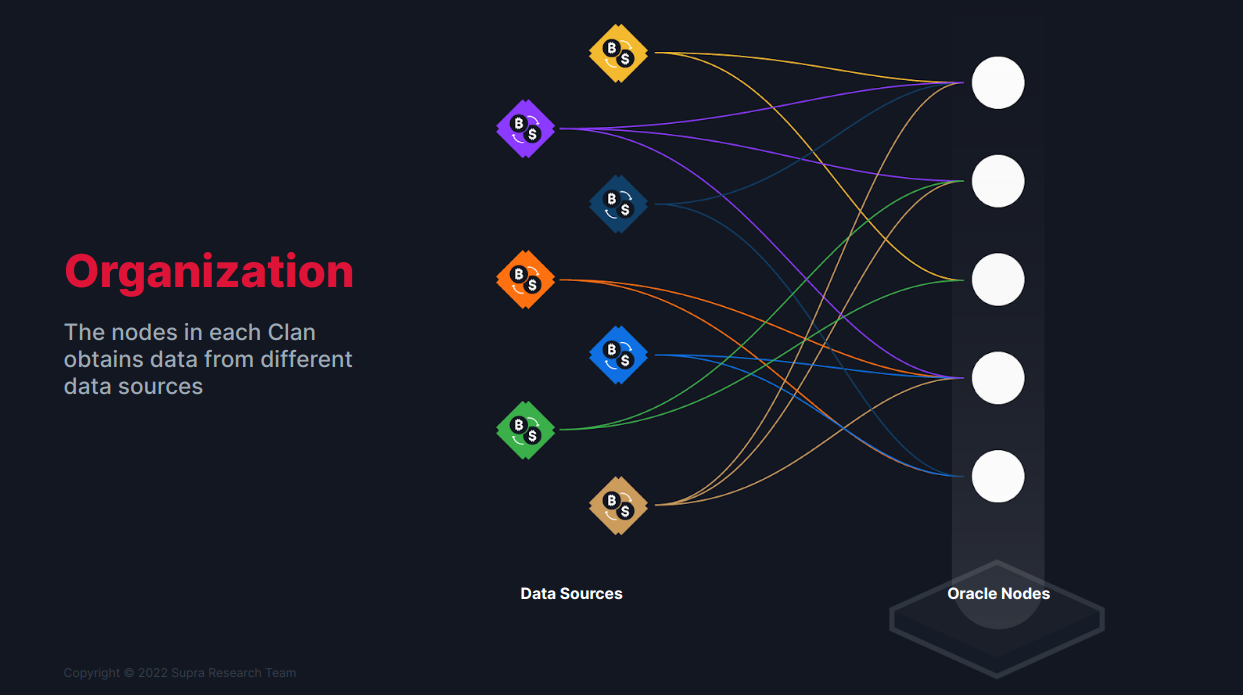
How Modular Order Flow Auctions Aggregate Liquidity Across Chains
Traditional DeFi platforms operate within isolated liquidity pools on individual blockchains. This siloed approach limits access to deep liquidity and exposes users to slippage and suboptimal pricing. Modular OFAs address this by aggregating order flow from multiple chains into a single, composable auction layer. For example, Orderly Network’s omnichain order book consolidates liquidity across various blockchains, offering traders access to wider asset pools and tighter spreads.
Through this unified auction mechanism, third-party agents (sometimes called solvers or transmitters) compete in real time to fill user orders at the best possible price. This market-based allocation of order flow not only enhances price discovery but also ensures that liquidity is dynamically routed to where it’s needed most.
Mitigating MEV and Improving Market Efficiency
The introduction of auction-based systems is critical in combating issues like Maximal Extractable Value (MEV) and Liquidity Value Reduction (LVR), both of which erode returns for traders and liquidity providers. In a modular OFA environment, searchers bid for the right to execute bundled transactions or cross-chain swaps, with a portion of extracted value returned to users or LPs. Arrakis Finance’s HOT protocol exemplifies this by offering guaranteed quotes via an RFQ system, reducing MEV opportunities while boosting healthy volume for pools (read more here).
This competitive structure fosters transparency and fairness in trade execution. Instead of opaque value extraction by validators or miners, auctions redistribute surplus back to users through open competition among execution agents.
Key Benefits of Modular OFAs for Cross-Chain DeFi
-
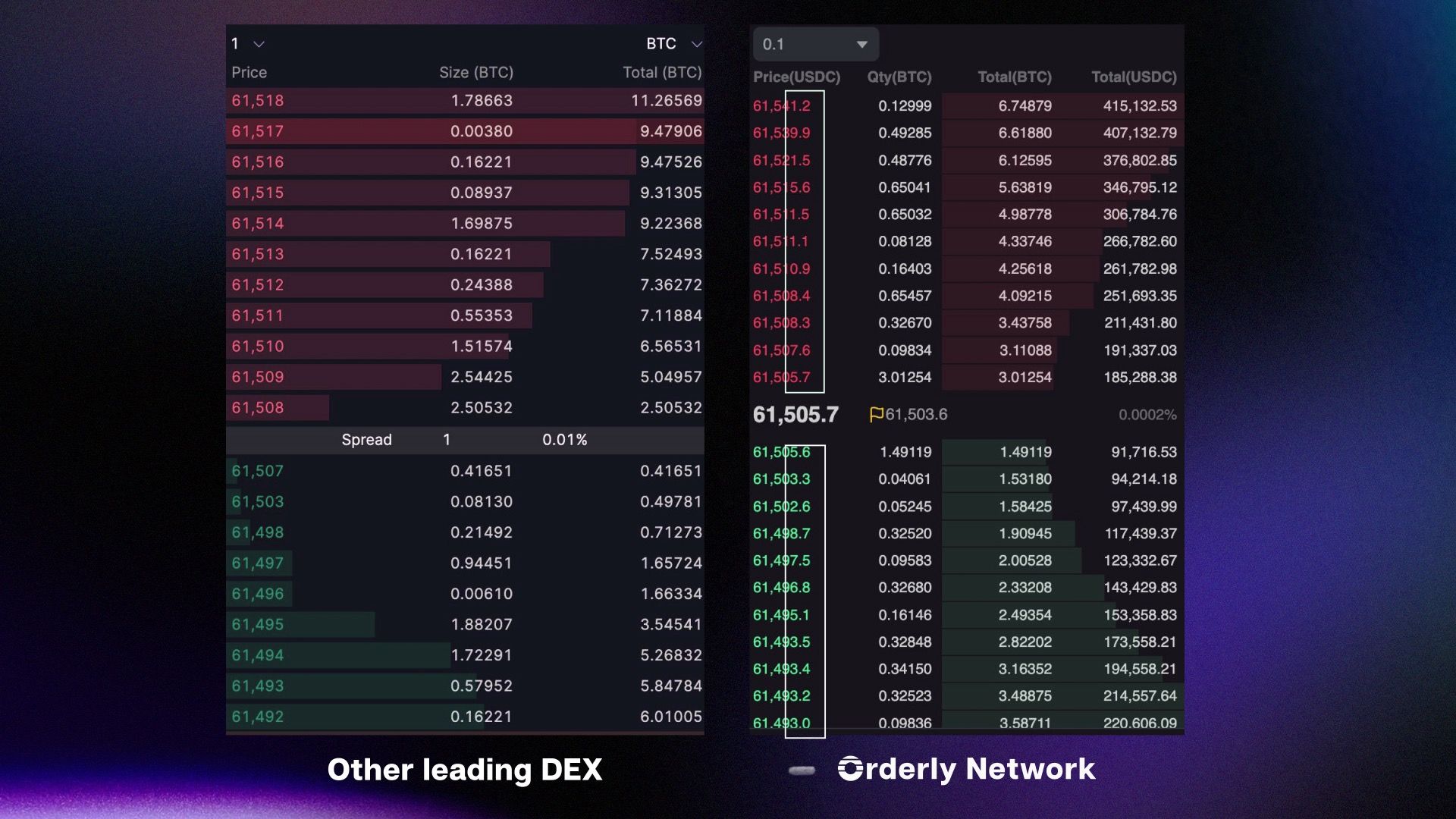
Unified Cross-Chain Liquidity Pools: Modular OFAs aggregate liquidity from multiple blockchains into a single order book, reducing fragmentation and enabling access to deeper asset pools and tighter spreads. Example: Orderly Network’s omnichain order book.
-

Enhanced Market Efficiency & Lower MEV: By leveraging auction-based execution, modular OFAs minimize Maximal Extractable Value (MEV) and Liquidity Value Reduction (LVR), protecting users from predatory trading practices. Example: Arrakis Finance HOT protocol.
-

Seamless Cross-Chain Interoperability: Participants can interact with assets and applications across different chains without complex bridging, thanks to unified interfaces and native asset management. Example: Socket Protocol’s MOFA architecture.
-

Competitive Pricing via Open Auctions: Third-party agents compete in real time to execute orders, resulting in more competitive pricing and improved price discovery for traders.
-
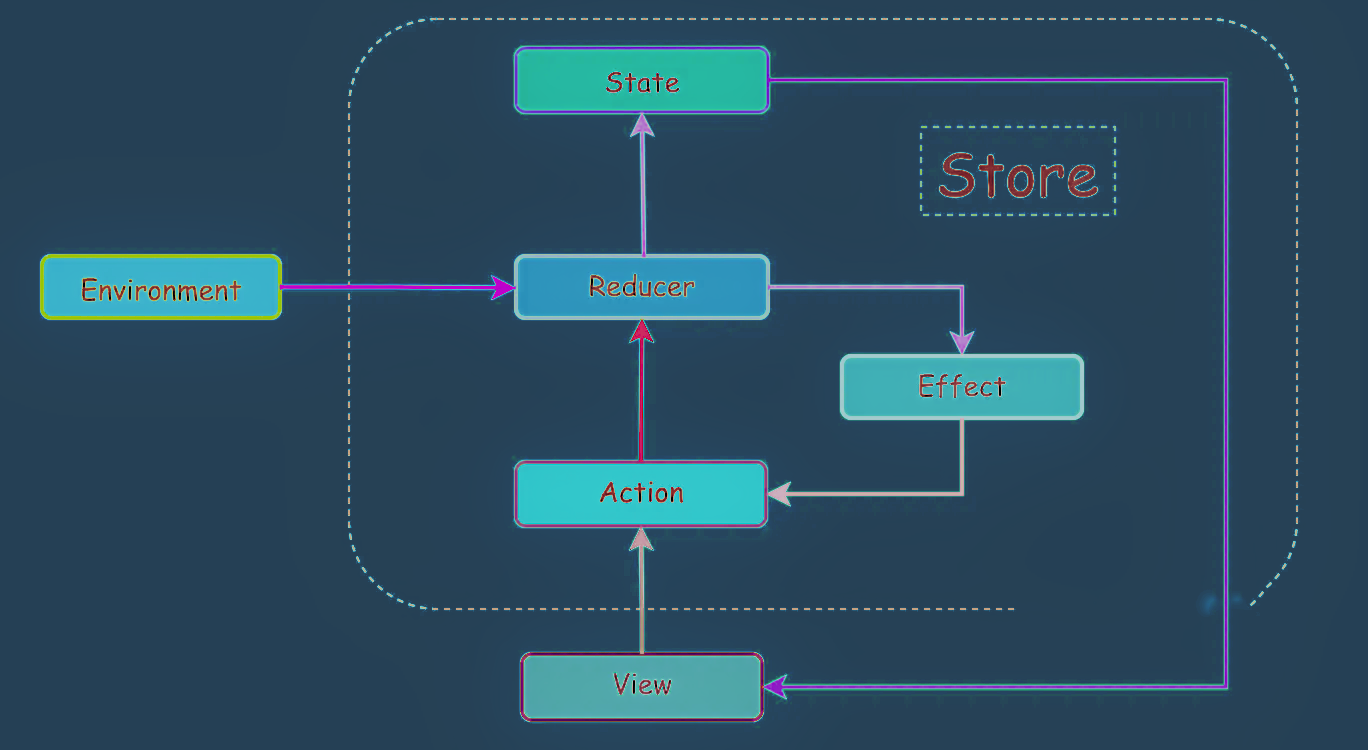
Developer Flexibility & Composability: Modular OFAs allow developers to compose with any app, user, or asset across chains, accelerating innovation and ecosystem growth. Example: SOCKET Protocol developer tools.
Unlocking Seamless Interoperability with Chain Abstraction
A major innovation driven by modular OFAs is chain abstraction, the ability for users and dApps to interact with any blockchain without worrying about underlying network complexities. Protocols like Socket leverage MOFA as an open marketplace where execution agents vie to process cross-chain transactions efficiently (see Mitosis University’s analysis). The result is seamless access to native assets across networks without manual bridging or wrap/unwrap steps.
This paradigm shift enables developers to compose with any app or asset on any chain using a single interface, streamlining both UX and capital flows throughout the DeFi stack.
By abstracting away the complexities of individual blockchain protocols, modular order flow auctions (OFAs) allow DeFi users and developers to focus on value creation rather than operational overhead. This is especially potent for market makers and aggregators who need to access deep liquidity without being constrained by network silos or the friction of cross-chain bridges.
Moreover, the auction-driven model of OFAs introduces a new layer of composability. Execution agents can bundle transactions, optimize routing, and dynamically allocate capital based on real-time market conditions across multiple networks. This not only improves capital efficiency but also reduces latency and slippage for end users.
The Future of Cross-Chain DeFi: Dynamic Liquidity Coordination
The rise of modular MEV auctions signals a broader shift toward dynamic liquidity coordination in decentralized finance. Instead of static pools and fragmented order books, we are moving toward programmable marketplaces where order flow is continuously optimized through competition and transparent pricing mechanisms.
Protocols like FluxLayer and Socket exemplify this evolution by integrating high-performance auction layers that capture arbitrage opportunities, lower costs, and unlock new forms of cross-chain MEV (see Mitosis University’s breakdown). As these systems mature, expect to see more sophisticated strategies emerge, such as chain-abstracted bundles and unified RFQ systems, that further compress spreads and democratize access to liquidity.
Key Considerations for Builders and Traders
- Security: As with any cross-chain protocol, robust security audits are essential to prevent exploits at the auction or bridging layer.
- Transparency: Open-source auction mechanisms and clear fee structures foster trust among users and execution agents.
- Composability: Modular design enables integration with existing DeFi primitives, wallets, and aggregators without requiring bespoke infrastructure.
For traders seeking to maximize returns, participating in a modular MEV auctions platform offers access to more competitive pricing, deeper liquidity, and reduced exposure to predatory MEV practices. For developers, it unlocks new possibilities for dApp design by enabling seamless asset movement across chains via a unified orderflow marketplace.
Key Innovations Enabled by Modular Order Flow Auctions
-
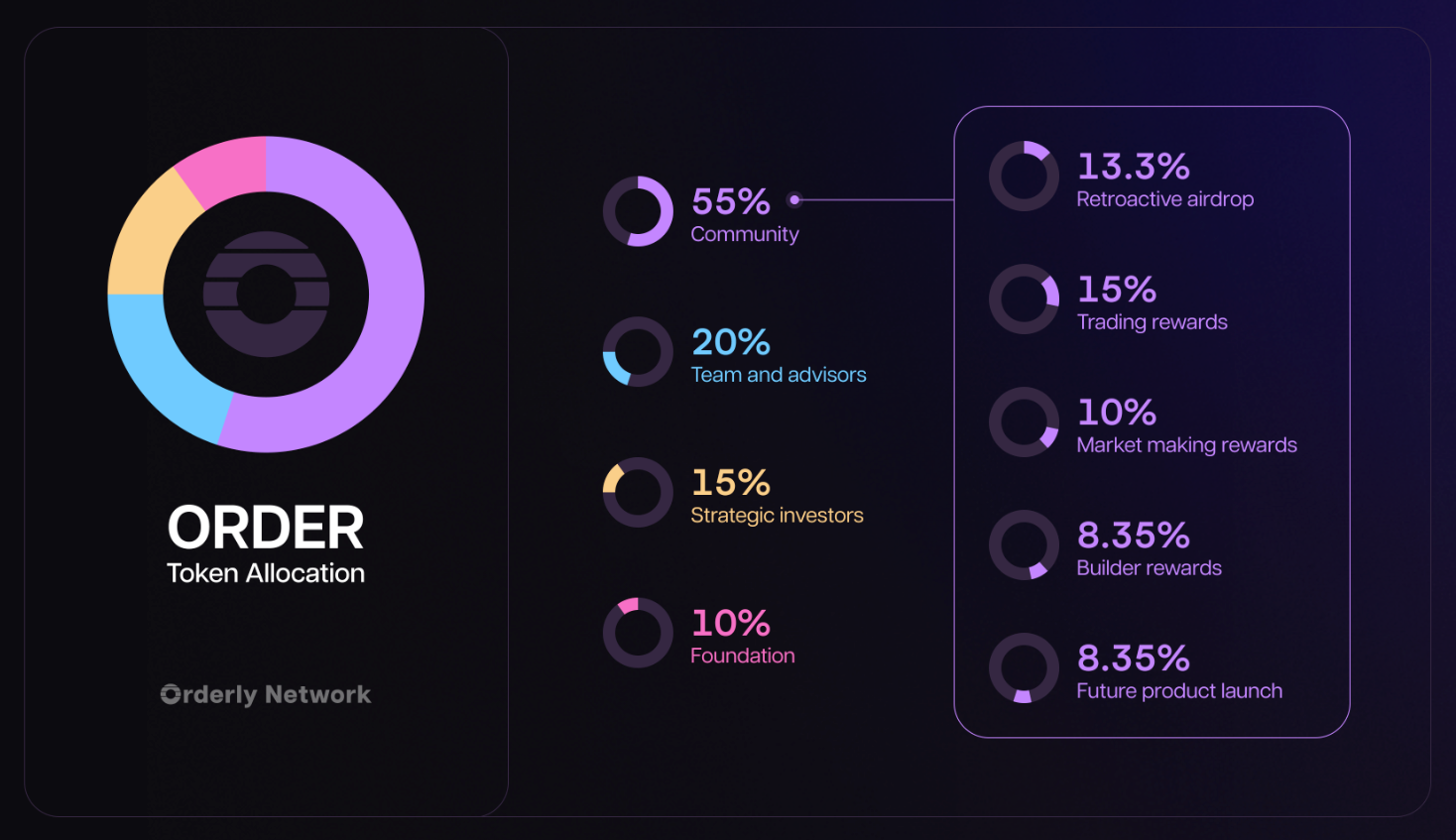
Unified Cross-Chain Liquidity Aggregation: Modular OFAs, as implemented by Orderly Network, consolidate liquidity from multiple blockchains into a single, omnichain order book, reducing fragmentation and enabling tighter spreads across DeFi markets.
-
Market-Based Execution Competition: Protocols like Socket Protocol leverage open marketplaces where third-party agents compete to execute user orders, optimizing for best execution and reducing slippage.
-
Mitigation of MEV and LVR Risks: Solutions such as Arrakis Finance HOT protocol use auction-based and RFQ mechanisms to minimize Maximal Extractable Value (MEV) and Liquidity Value Reduction (LVR), protecting users and liquidity providers from value extraction.
-
Seamless Cross-Chain Interoperability: Modular OFAs, highlighted by Mitosis Protocol, enable unified access to assets and liquidity across diverse blockchains, eliminating the need for complex bridging and enhancing user experience.
-
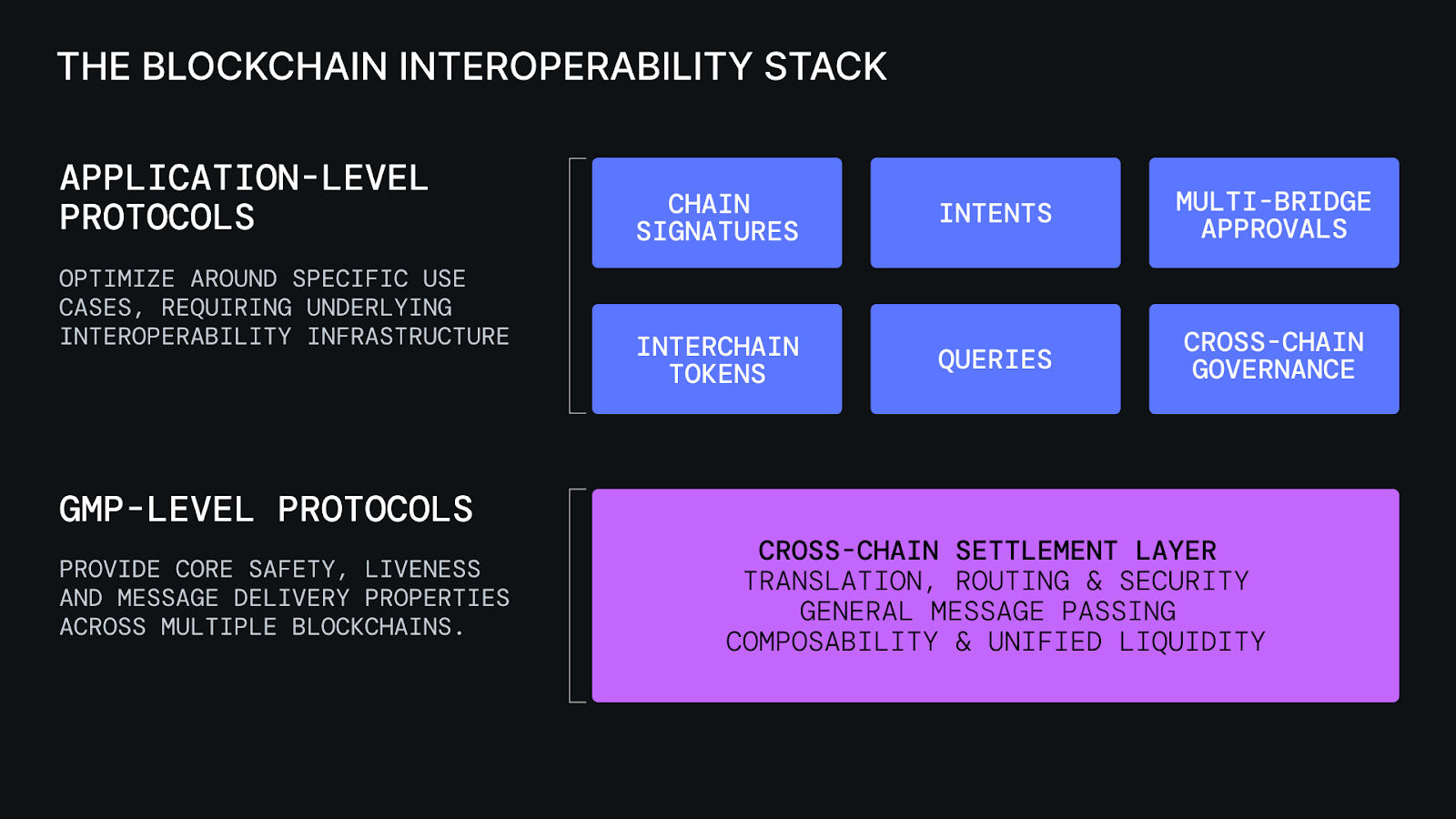
Composable DeFi Applications: By abstracting execution and liquidity layers, platforms like Socket Protocol empower developers to build cross-chain DeFi apps that interact with any user, asset, or chain, accelerating innovation and interoperability.
The convergence of auction-based liquidity routing, chain abstraction, and open competition is fundamentally reshaping how value flows through decentralized finance. As adoption accelerates, expect modular OFAs to become core infrastructure, not just for advanced trading strategies but also for mainstream DeFi applications seeking true interoperability at scale.
About the Author